
Ministers are promising a public vote. Its value will depend on whether citizens are asked to authorise a defined reform or merely to endorse a slogan.
“Will happen” is a strong promise about a referendum whose question the public has yet to see.
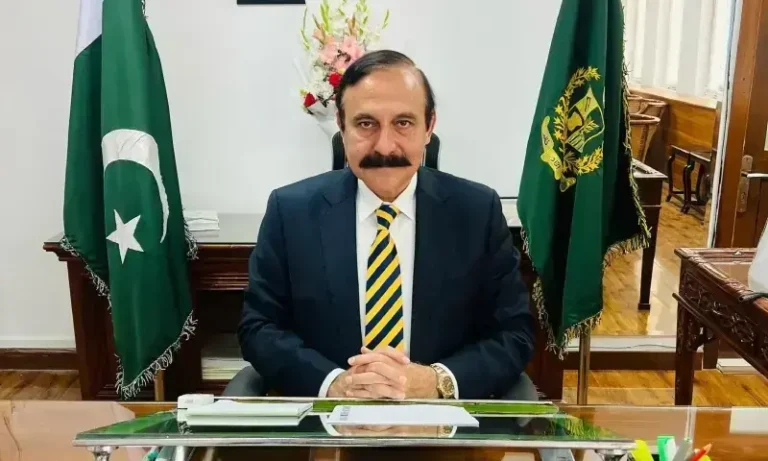
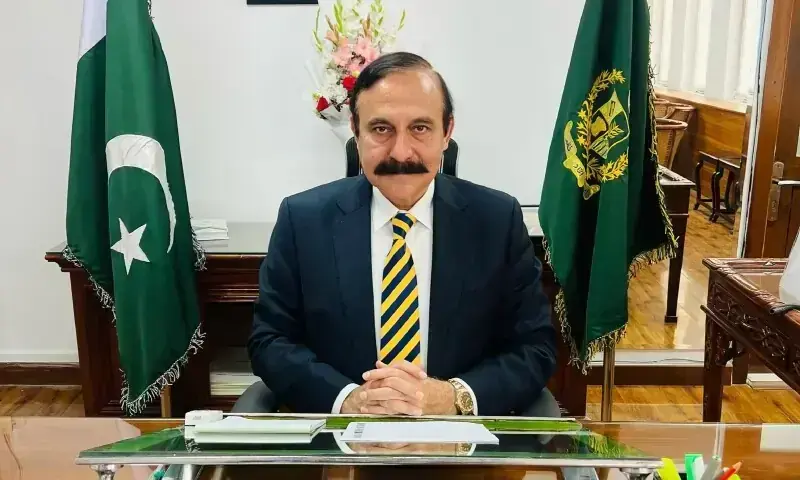
Parliamentary Affairs Minister Tariq Fazal Chaudhry made that promise on 20 November, saying the referendum on new provinces “will happen” and that the PML-N would try to persuade the PPP. Yet a week earlier he had said that Parliament and the provincial assemblies could not be bypassed.For now, political certainty is running ahead of a publicly documented process.
Pakistan has a serious case for examining new provinces. Administrative distance, unequal access to government and regional exclusion deserve institutional answers. A referendum could help establish public preferences. But its usefulness begins with a basic question: what would a “yes” authorise?
Who supports it?
Support is strongest among ministers advocating administrative restructuring and the MQM-P. Interior Minister Mohsin Naqvi has advanced the proposal, while Information Minister Attaullah Tarar has called it a constitutional way of gauging public opinion.
The PPP opposes the referendum itself. Bilawal Bhutto-Zardari rejected it on 17 November, and party leaders argue it has no constitutional standing.
PTI’s position is unsettled. Aamir Dogar has backed seeking public opinion, but says the party’s final stance rests with Imran Khan. Chairman Gohar Ali Khan has said PTI will decide after studying the proposed 28th Amendment draft and consulting other parties. The proposal is contested between parties and within their public messaging.
What does yes mean?
The central policy distinction is between consulting citizens about a principle and seeking approval for a particular settlement.
“Should Pakistan create more provinces?” could establish general support for restructuring. It would leave unanswered which provinces, which boundaries and which communities should be grouped together.
A voter might support South Punjab while opposing another proposed division. Another might favour Hazara but reject a nationwide package. Combining different regional demands into one question would make the result difficult to interpret.
A general referendum could legitimately guide further negotiations. Its result should then be described as support for developing proposals. Claiming that it authorised a specific map would give the vote a meaning the ballot never contained.
The government should settle that distinction before campaigning begins.
Define the mandate
The Constitution assigns separate functions. Under Article 48(6), the Prime Minister may refer a matter of national importance to a joint sitting, which may decide by resolution that it go to a yes-or-no referendum.
Article 48(7) lets Parliament legislate the procedure. Article 239 requires constitutional amendments to pass by two-thirds of the total membership of each House, and a bill altering a province’s boundaries also needs two-thirds of that province’s assembly.
A useful referendum would therefore give those institutions an intelligible public instruction.
Before seeking parliamentary approval, the government should publish whether it wants a consultation on administrative reform, endorsement of named proposals or authority to begin negotiations. It should also explain what follows either result.
Would a “no” suspend the entire exercise? Would a “yes” trigger a commission, parliamentary negotiations or a published amendment? Citizens deserve to know the consequence of their choice.
Design the vote
The voting rules need equal attention.Parliament should determine who participates, how results are reported and how regional preferences inform later negotiations. A national total alone could conceal substantial disagreement within the directly affected areas.
Province-level and district-level results should therefore be published alongside the overall count. This would clarify public preferences without substituting referendum arithmetic for constitutional approval.
Question wording should be independently scrutinised and tested with the public. Asking voters whether they favour “better governance through new provinces” would build the government’s promised benefit into the question. Neutral wording should allow support and opposition without suggesting that one side rejects development.
Make debate fair
The government would be both an advocate of reform and a custodian of the process. Credibility requires visible separation between those roles.
Published rules should cover campaign expenditure, official advertising, media access, complaints and counting. Public information should explain the proposal and its consequences in Urdu and regional languages.
Universities, professional associations and affected communities should be able to question competing arguments. Minority populations within proposed units also need a voice: creating a smaller province does not automatically resolve exclusion inside it.
For supporters, these safeguards would strengthen any mandate won. For opponents, participation would offer a way to contest the proposal with evidence.
Publish the proposition
The test now is the quality of the public decision itself. Tariq Fazal’s assurance should be followed by a government paper setting out the referendum’s purpose, proposed question, voting rules and intended consequences. Parliament can then debate an identifiable proposition, and citizens can judge what participation would achieve.
New provinces could bring government closer to neglected populations. A carefully designed referendum could help that reform earn public ownership.
The next announcement should tell Pakistan what its vote would decide.
Read More : https://digdebate.com/new-provinces-pakistan-cost-funding-governance/
https://digdebate.com/mohsin-naqvi-referendum-new-provinces/

Our News Desk represents a rapidly expanding frontier in contemporary journalism, focusing on the intersection of technological advancement, geopolitical narratives, and the shifting dynamics of public information.