Tehran’s position changes the basis for negotiations. Its continued use of Pakistan’s mediation channel leaves an opening for Islamabad to help turn competing proposals into a workable settlement.
A peace process can outlive the document that first brought its participants together.
Iranian Foreign Minister Abbas Araghchi’s statement that the Islamabad Memorandum is “no longer on the table” marks a significant change in Tehran’s negotiating position. But his accompanying message matters equally: Iran remains interested in an agreement, and exchanges with Washington continue through mediators.
For Pakistan, the immediate task is to establish what the parties can still negotiate and how to move them towards it.
What Iran means
In remarks to the Iranian newspaper Iran, Araghchi said the memorandum no longer provided an operational basis for the process, while indicating that its principles could inform a future agreement. That distinction leaves room for further negotiation.
Tehran is also seeking greater assurance about implementation. It is also reported that Araghchi wanted confidence-building measures demonstrating Washington’s seriousness. President Donald Trump, meanwhile, said Iran wanted an agreement whose terms were unacceptable to him. Both accounts reveal a substantial gap between willingness to negotiate and agreement on conditions.
Pakistan cannot close that gap through goodwill alone. It can help each side understand which commitments the other requires, which steps are negotiable and what evidence would demonstrate compliance.
Islamabad’s position
Pakistan’s stated policy remains sustained engagement.
At its 20 November briefing, the Foreign Office said:
“Pakistan continues to be an active part of the mediatory efforts.”
It also confirmed that Araghchi had met Pakistan’s leadership during his recent visit. This briefing preceded the reporting of his newspaper remarks; it should therefore be read as Pakistan’s standing position, rather than a specific response to them.
Dar has similarly maintained that Pakistan has not abandoned its efforts. In an interview reported on 21 November, he described continued engagement with both governments and preparations for further regional-European consultations.
The policy direction is consistent: preserve contact, encourage restraint and pursue negotiated solutions. The next requirement is to adapt that approach to the parties’ present positions.
Why Pakistan matters
Araghchi’s identification of Pakistan and Qatar as continuing mediation channels provides a concrete indication of Islamabad’s continuing relevance. Tehran’s dissatisfaction with the earlier framework has not ended its use of those channels.
That access is an asset earned through sustained engagement. It allows Pakistan to clarify proposals, convey concerns discreetly and identify openings that public exchanges may conceal.
The 16 November ECO communiqué also recognised Pakistan’s diplomatic contribution and Qatar’s facilitative role. Regional acknowledgement strengthens the case for continued cooperation, although it cannot substitute for agreement between Washington and Tehran.
Pakistan’s strongest public message should therefore be measured confidence: its channels remain useful, its efforts continue, and the final decisions belong to the negotiating parties.
Build workable steps
The next phase should concentrate on implementation from the beginning.
First, mediators should establish which earlier commitments remain acceptable to both sides. Some provisions may retain practical value even if the original package no longer commands support. Identifying that common ground could prevent negotiations from restarting entirely.
Second, any reciprocal steps should specify sequence, timing and verification. Each government needs to know what it must do, what follows from the other side and how disputed implementation will be examined.
Third, negotiators need a mechanism for handling setbacks. A disputed incident should trigger an agreed consultation process before it destroys the wider arrangement.
These are proposals for the next phase, rather than announced agreements. Their purpose is to make progress durable enough to survive predictable disagreements.
Coordinate the channels
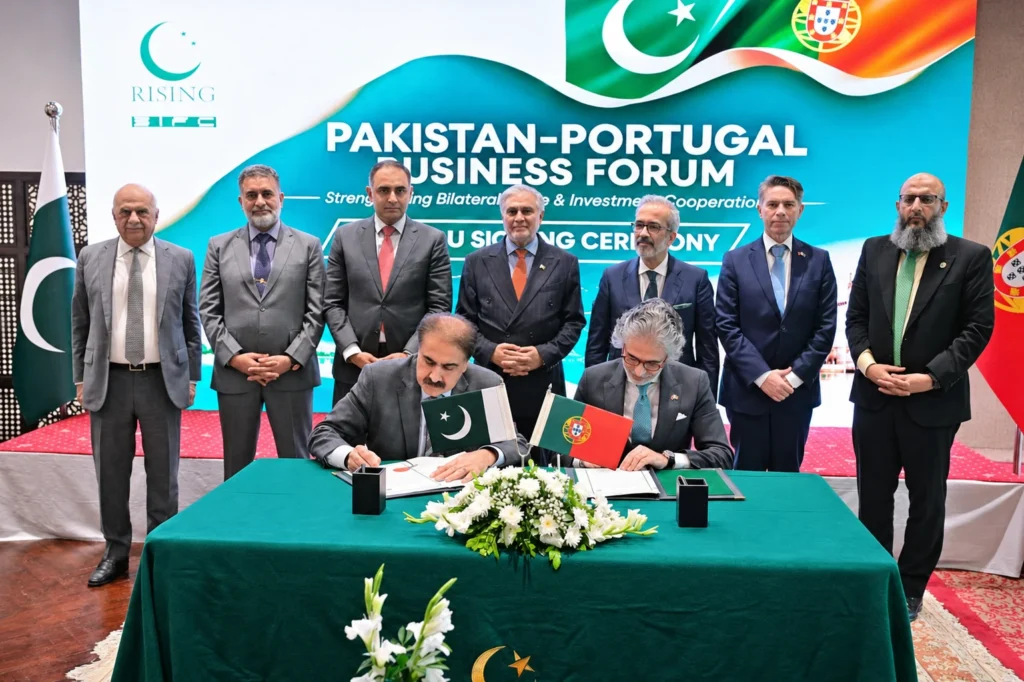
Pakistan’s next diplomatic steps will unfold alongside an important security engagement. Pakistan, Saudi Arabia and Türkiye are expected to meet in Islamabad on 26-27 November to review implementation of the Makkah Joint Defence Agreement. Arab News reported the dates on 22 November, citing a senior Pakistani official.
The meeting allows Islamabad to reinforce a consistent strategic message: collective defence should strengthen regional stability and support efforts to prevent escalation. The Foreign Office has described the agreement as defensive and “not directed against any country.” That position should remain clear as institutional arrangements develop.
The defence committee and the Iran-US mediation channel serve different purposes. Pakistan can fulfil its security commitments while maintaining diplomatic access to Tehran and Washington. Credibility will depend on clear communication, discretion and consistency between its public assurances and practical engagement.
A wider diplomatic track also remains active. The R4-Pakistan, Saudi Arabia, Türkiye and Egypt, and European counterparts from Britain, France, Germany and Italy are preparing further consultations in Germany, with December identified as the likely timing. Their October meeting endorsed dialogue and de-escalation.
These arrangements can provide complementary support: regional consultation, technical expertise and diplomatic backing for reciprocal steps. Pakistan and Qatar should preserve the trusted communication channels, while wider participation in negotiations remains subject to the parties’ consent.
Islamabad’s opportunity is to connect security reassurance with diplomatic restraint, helping regional partners feel more secure while keeping a negotiated settlement within reach.
Keep hope practical
Pakistan has a direct interest in regional stability. Predictable shipping, secure energy supplies and confidence in Gulf economies affect its households and businesses. Continued mediation serves those interests while reinforcing its contribution to regional diplomacy.
The change in Tehran’s position calls for diplomatic flexibility. Islamabad should preserve useful elements of the earlier work, clarify what has changed, and help develop arrangements the parties can implement.
Hope now rests on continuing contact becoming substantive negotiation. Pakistan’s contribution will be strongest where access produces clearer commitments, manageable reciprocal steps and fewer opportunities for escalation.
The memorandum gave the process an initial structure. Pakistan’s diplomacy can help give its next phase a workable direction.
Read More: Decoding the US-Iran Talks in Islamabad

Our Editorial Desk is the intellectual engine of Digital Debate, responsible for the rigorous research that anchors every conversation. Our team deep-dives into data, checks every source, and consults academic literature to move beyond headlines and identify the questions behind the questions.