Thousands of Pakistanis send their savings to men every year who offer them Europe, the Gulf, or a better life elsewhere. Many of those people never come back. The brokers who took their money face fines if caught. Some face nothing at all. Thousands of Pakistanis are traded annually, yet the conviction rate refuses to improve. The Federal Investigation Agency conducts periodic arrests; issues press statements and move on. The networks supplying the illegal migration routes take in the disruption and continue working. This has been a repetitive cycle over the years.
The scale of the problem is measurable. 2025 was the second consecutive year with over 2700 fatalities worldwide tied to illegal migration. At least 2722 persons from the Asia-Pacific region died or disappeared. South Asia had 1547 deaths and disappearances. The number of Pakistani fatalities was 109. According to the Global Slavery Index, more than two million individuals in Pakistan experience modern slavery conditions. They are employed in forced labor, domestic servitude, and debt bondage. Most never earn enough to leave.
Survival economics drives the supply side of this trade. The poor are the worst affected by inflation. Families living in both rural and urban areas are forced to decide between hunger and selling one of their members to settle the debt. Predators exploit this desperation directly. They appear in villages promising jobs in the city or overseas work. Those are empty promises. The victims are sold into forced labor, begging rings, or domestic service without the freedom of movement or wages.
Where the Law Falls Short
In 2018, Pakistan enacted two legislations to deal with this: the Prevention of Trafficking in Persons Act and the Prevention of Smuggling of Migrants Act. Although amended, the Prevention of Trafficking in Persons Act permits fines rather than compulsory imprisonment, and the Prevention of Smuggling of Migrants Act has been invalidated by a lack of enforcement. Dawn Fines, as a penalty for trading human beings remove any serious deterrent. A clearance agent that earns Rs3 million per victim and receives a financial penalty for being caught has no incentive to quit.
According to the US Department of State Trafficking in Persons Report, Pakistan fails to achieve the minimum standards in eradicating trafficking. Police departments lack the training to identify victims. Cases take years to be adjudicated in courts. Corruption shields traffickers at various levels. Social sins thrive amid legal ambiguities, influential patronage, corruption, and a culture of impunity. It is equally important to remove unethical officers from the relevant departments, the police in particular. Trafficking networks are not running without internal protection. Dismissal without prosecution creates available recruits for criminal networks rather than removing them. As seen in the high-level arrest case involving a former police employee.
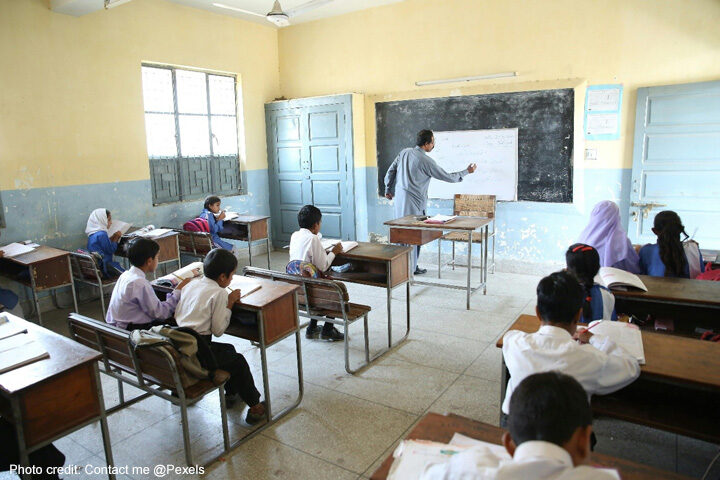
The majority of victims are illiterate. They are not aware of their rights, and they cannot read the contracts they are signing. The remote villages where recruiting is the most aggressive are rarely covered by awareness campaigns. Witness protection is almost nonexistent. Those who are aware of torture tactics stay away from lodging complaints. No prosecution system works without witnesses, and no witnesses appear without any credible protection. That is why the conviction rates remain low no matter the number of arrests that the FIA makes.
Closing the Institutional Gap
The global standard has moved well past where Pakistan stands. In November 2025, the UN General Assembly adopted the 2025 Political Declaration on the Global Plan of Action to Combat Trafficking in Persons, with all 193 member states committing to intensifying action against the trade. The UN cautioned that there was a shift in the techniques and tools traffickers utilize, as they rely now on artificial intelligence, encrypted platforms, and deepfakes to recruit and command their victims.
One month later, in December 2025, the UN General Assembly passed a separate resolution on enhancing coordination against trafficking, and once again, the member states were compelled to prevent, investigate, and punish individuals involved. Pakistan is a member of the UN Convention on Transnational Organized Crime and its Trafficking in Persons Protocol. But signing an international agreement alone does not close a single trafficking route.
The UNODC Global Report on Trafficking in Persons offers an action plan. Its 2024 results indicate that official complicity and inadequate victim services are the gaps that are critical as convictions are rising across the globe. Pakistan fits this description precisely. Since 2019, the number of children identified as trafficking victims has increased by a third. The greatest proportion of detected victims in the world continues to be women and girls.
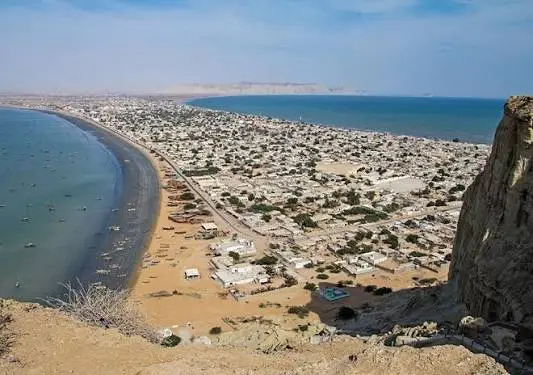
The necessary legal reforms are specific. Trafficking should be punished by enforcing jail time rather than fines. Investigators require committed resources to develop cases. Rescued victims should be accommodated in protection centers and receive psychological assistance and vocational training. Border checks should be modernized to intercept smuggling channels. The trafficking routes are documented and openly promoted in social media through Balochistan into Iran, and further to Europe. The state is aware of the recruitment location. It is not the intelligence gap. It is follow-through, and the political will to make the cost of trading a human being higher than the profit.

Our Editorial Desk is the intellectual engine of Digital Debate, responsible for the rigorous research that anchors every conversation. Our team deep-dives into data, checks every source, and consults academic literature to move beyond headlines and identify the questions behind the questions.