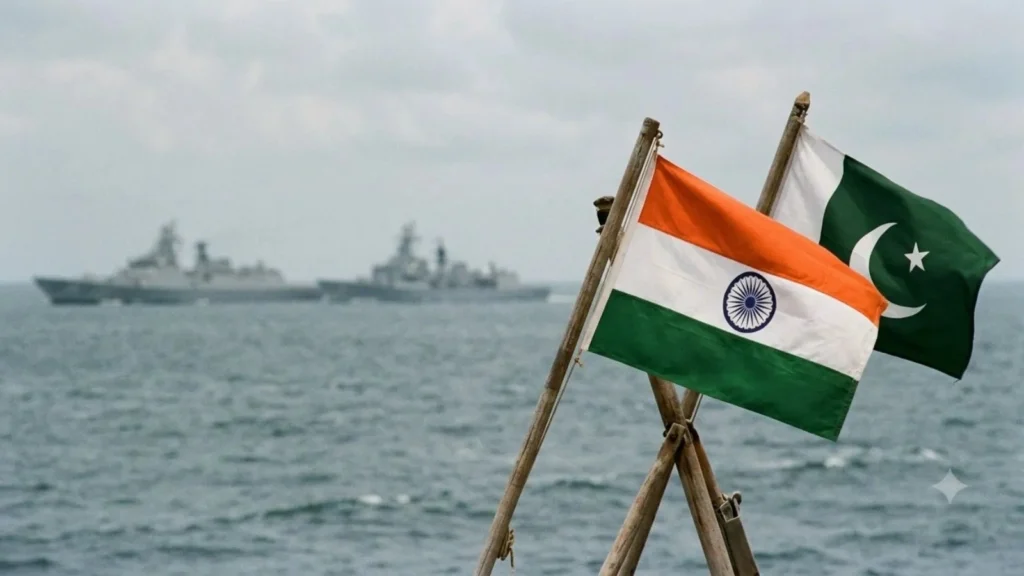
The Middle East geopolitical environment is currently experiencing a shift, with Islamabad becoming the major venue to witness a possible diplomatic breakthrough. After weeks of rising tensions between the United States, Israel, and Iran, a conflict that has already cost over 1,300 lives and shaken the world energy markets, Pakistan has intervened. With its distinct multi-vector relations, Islamabad is establishing itself as a key mediator to end the war, providing a neutral platform that few countries can offer.
A Fragile Hope for Peace
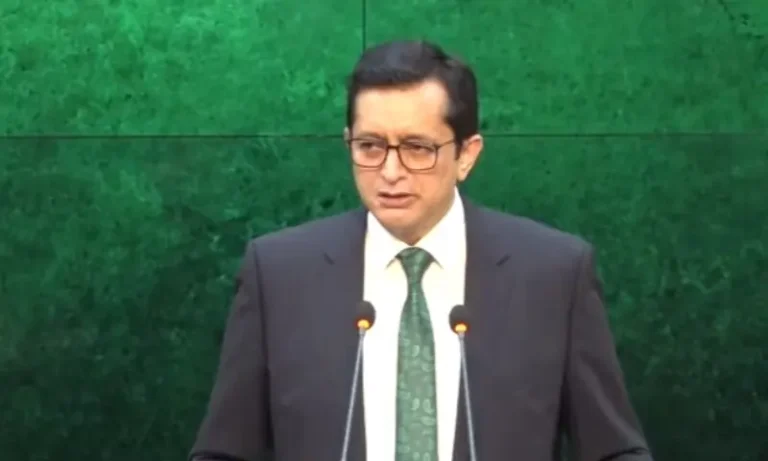
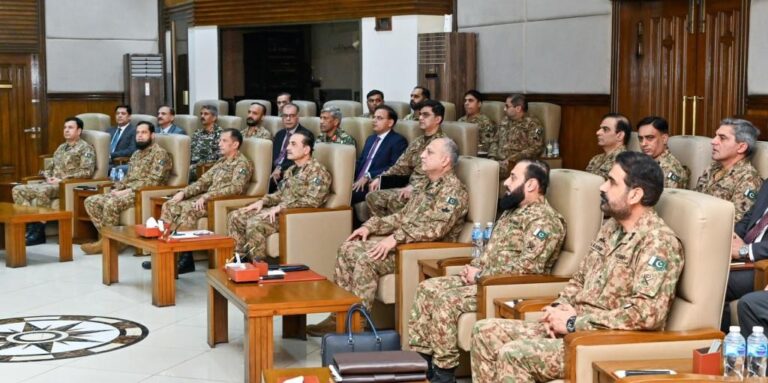
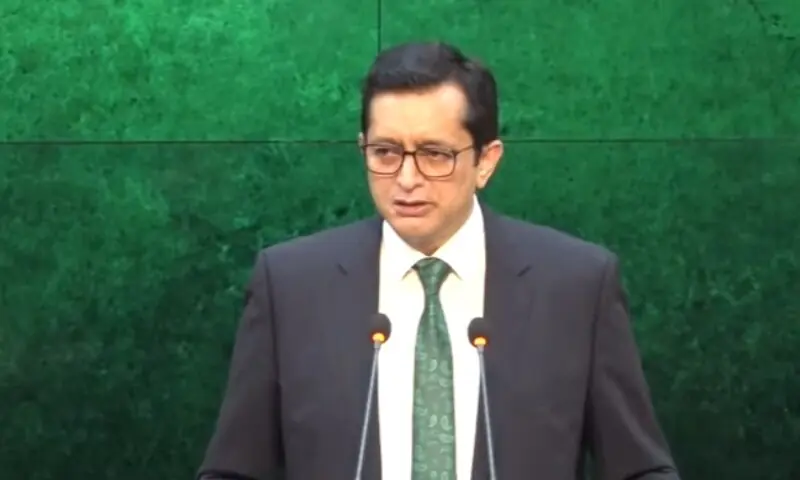
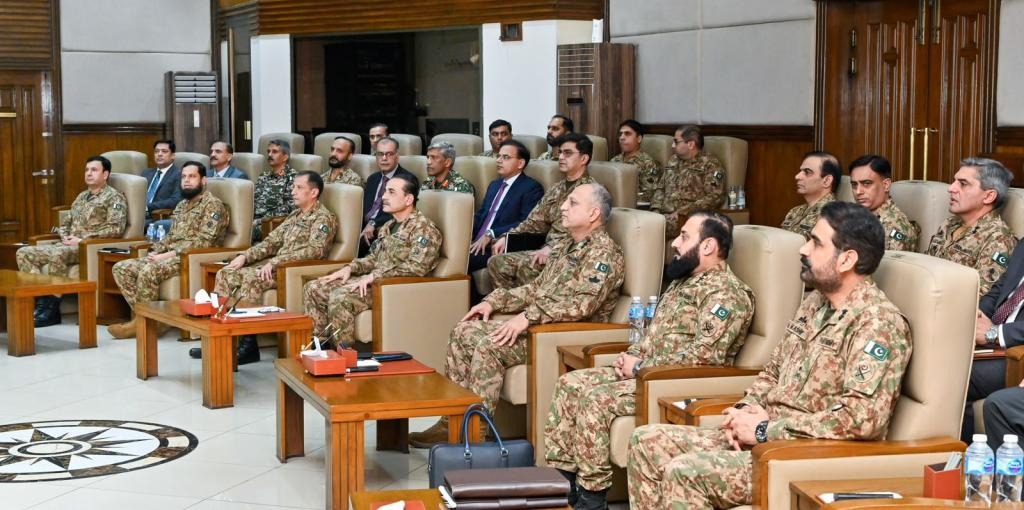
According to reports, a high-level peace conference is being planned in Islamabad, which may include the US Vice President JD Vance and the Iranian Parliamentary Speaker, Mohammad Bagher Ghalibaf. This effort comes after rigorous back-channeling by top Pakistani officials, Army Chief General Asim Munir, and Prime Minister Shehbaz Sharif. The direct contact of General Munir with the US president Donald Trump and the frequent telephone communication between PM Shehbaz and Iranian president Masoud Pezeshkian highlight a concerted civil-military move to prevent a total regional fire.
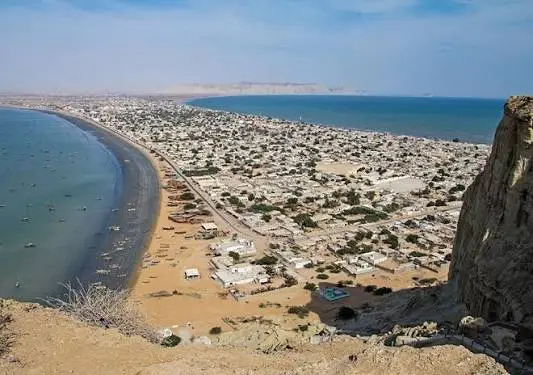
The stakes could not be higher. The war, which escalated after a joint US-Israeli attack on February 28, has seen Iran strike back by blocking the Strait of Hormuz, a chokepoint of 20% of global oil. In this regard, the intervention by Pakistan is not only an act of humanity but rather a strategic need. An unstable Iran, in turn, would definitely have a spill-over effect in Balochistan province, and any upheaval in the energy supply in the Gulf would ruin the already weak Pakistani economy. Pakistan is trying to change its status from passive spectator to an active architect of the region by offering Islamabad as the venue.
Navigating the Commitment Trap
The role of Pakistan is, however, complex. The nation is now walking a diplomatic tightrope between its revolutionary neighbor to the west and its strategic allies in the west and the Gulf. Later in September 2025, Islamabad signed a Strategic Mutual Defence Agreement with Saudi Arabia, which is binding to consider aggression against Riyadh as aggression against itself. This agreement establishes a commitment trap: in case Iran strikes Saudi interests, in reaction to the pressure of the US-Israeli forces, Pakistan would become legally obligated to intervene, ending its neutrality and inviting Iranian retaliation on its own soil.
To counter this, the Pakistani diplomacy has aimed at de-escalating by inclusion. By involving other regional stakeholders such as the Turkiye and Egypt, Islamabad is making sure that the mediation process can be perceived as a collective regional demand and not an individual initiative. The most recent move by President Trump, declaring a five-day delay in attacks against Iranian energy infrastructure, citing “very good and productive” talks, is an indication that these mediation processes are producing concrete outcomes. This notion by Trump that a deal can be reached instead of obliteration is the diplomatic space that Pakistan needs to operate.
To the international community, the success of Pakistan would imply that a war of attrition that Iranian officials state has the potential of destroying the global economy would be avoided. To Islamabad, effective mediation would solidify its position as a central power in the region, showing that the nuclear status and professional military can be applied as instruments of peace as well as deterrence.

Our Editorial Desk is the intellectual engine of Digital Debate, responsible for the rigorous research that anchors every conversation. Our team deep-dives into data, checks every source, and consults academic literature to move beyond headlines and identify the questions behind the questions.