The temporary silence along the 2,600-kilometer border between Pakistan and Afghanistan during Eid al-Fitr has given way to the harsh sound of artillery. A fragile truce was brokered to stop immediate violence, but the foundation of this peace was weak. For Islamabad, the return to Operation Ghazab Lil-Haq is not an act of aggression but a necessary response to a worsening security situation. Pakistan has to reassert its sovereignty in a relationship that has shifted from cooperation to high-stakes border management.
The ceasefire, supported by regional partners, was meant as a humanitarian effort. However, the break failed to tackle the main issue of the ongoing presence of Tehreek-e-Taliban Pakistan (TTP) sanctuaries in Afghanistan. For the Pakistani security forces, their red line is the safety of soldiers and civilians. The Eid truce was an opportunity for diplomacy, but without clear action from Kabul to control cross-border threats, Islamabad insists that its top priority is protecting its own territory.
National Security and Repatriation
A crucial part of Pakistan’s broader stability strategy is the Illegal Foreigners’ Repatriation Plan (IFRP). Following the Eid ceasefire, the government has advanced to Phase 2 of this repatriation effort, planned to process about 800 families daily through the Torkham and Chaman border crossings. This is a significant administrative and security task aimed at managing a porous border that has long been taken advantage of by militant groups.
From Islamabad’s point of view, the repatriation of undocumented individuals is a standard exercise of state sovereignty aimed at creating order in a chaotic demographic situation. While UNHCR reports highlight the humanitarian challenges involved, Pakistani officials argue that the link between undocumented populations and security risks is significant and cannot be overlooked. By regulating border crossings and ensuring all residents are documented, the state aims to eliminate grey zones that allow violence to flourish. This is not a policy of exclusion but one of national unification in the face of a serious rise in domestic terrorism.
The Cycle of Deterrence and Defense
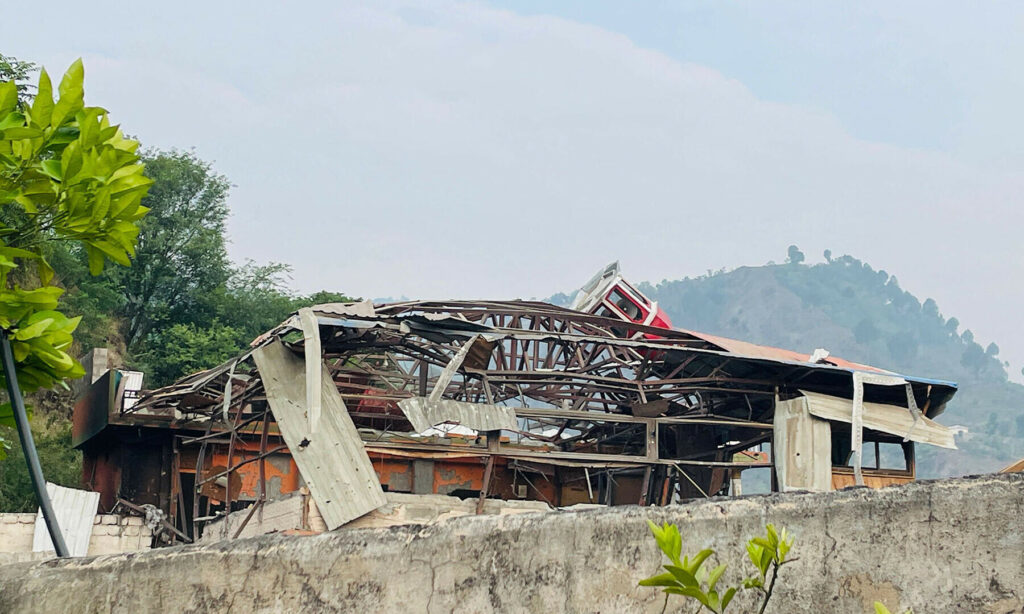
The conflicts leading up to the recent truce involved targeted attacks on militant infrastructure in border regions. Pakistan has consistently stated that its military actions are precise, meant to disrupt the logistics of groups like the TTP and IS-K. When Kabul’s authorities remain passive towards groups under UN sanctions, Pakistan believes it has the right to defend its citizens.
While UN experts raise very real humanitarian concerns, these must be balanced against the hundreds of Pakistani lives lost due to cross-border attacks in 2025. According to the Global Terrorism Index, Pakistan has become one of the most affected countries worldwide, making it necessary for the state to respond firmly. The current truce was a welcome break, but it was a negative peace, an absence of fire rather than a real solution.
The Path Toward Sustainable Stability
Pakistan’s ultimate goal is to have a stable, peaceful, and sovereign Afghanistan that fulfills its international obligations to stop its territory from being used for terrorism. Pakistan cannot sustain permanent tension, nor does it want to. However, moving towards de-escalation requires Kabul to commit to addressing the security gap that endangers the whole region.
While peace jirgas and diplomatic channels stay open, the military and administrative actions in place show that the state has exhausted its strategic patience. If regional players want the Eid ceasefire to become a lasting peace, they must help both nations secure a border that is currently more about conflict than trade.
The resumption of counter-terror operations serves as a stark reminder that peace means more than just silence. It involves removing the reasons for war. Until the TTP is effectively dealt with as a cross-border threat, Pakistan’s responsibility to its citizens will continue to guide its actions, ensuring that the Durand Line becomes a regulated route instead of a path for terror.

Our Editorial Desk is the intellectual engine of Digital Debate, responsible for the rigorous research that anchors every conversation. Our team deep-dives into data, checks every source, and consults academic literature to move beyond headlines and identify the questions behind the questions.