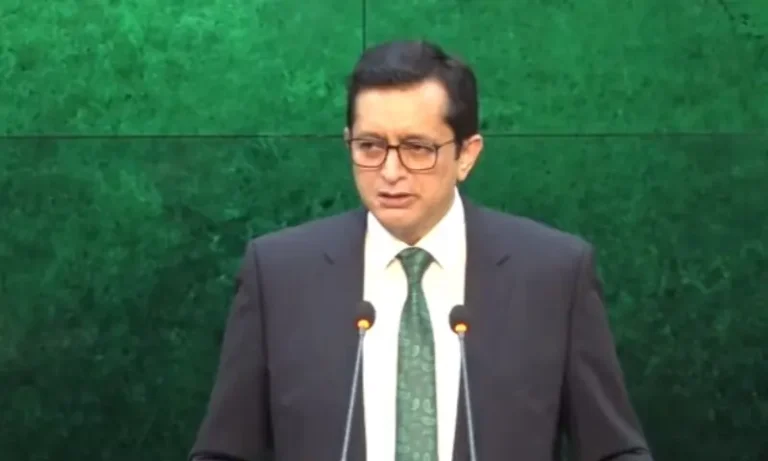

Iranian Foreign Minister Abbas Araghchi has said that there is no military solution to the ongoing conflict between Iran and the United States. He stated that additional sanctions would also not resolve the crisis and called for negotiations based on justice and fairness.
Araghchi warned that Iran would respond more strongly if the United States or its allies chose renewed military confrontation. His remarks came as indirect talks between Washington and Tehran appeared to have reached an impasse.
The main dispute remains the Strait of Hormuz, a critical route for global oil and gas shipments. Iranian Parliament Speaker Mohammad Baqer Ghalibaf said the waterway would not fully reopen until Tehran’s seven conditions were accepted.
Iran’s demands reportedly include a ceasefire across the Middle East, the unfreezing of Iranian assets abroad, the lifting of sanctions on its oil sector and an end to the US naval blockade.
Tehran has rejected claims that it offered nuclear inspections in exchange for sanctions relief, saying its immediate focus is the reopening of the strait and the protection of Iranian maritime traffic.
The United States has rejected Iran’s proposal but has kept the possibility of further negotiations open. Qatar is reportedly continuing to transmit messages between the two sides in an effort to reduce tensions and restore freedom of navigation.
At the same time, military preparations are continuing. The United States has reportedly deployed additional Patriot missile batteries to Saudi Arabia and Qatar, while the USS Theodore Roosevelt carrier strike group is heading toward the Middle East. Iran has also announced plans to increase the range of its missiles.
The confrontation is creating concerns for global energy markets. Any prolonged disruption in the Strait of Hormuz could increase oil and gas prices, raise shipping and insurance costs and affect economies that depend on Gulf energy supplies, including countries in Asia.
Separately, Iranian Oil Minister Mohsen Paknejad has resigned. Hamid Bovard, chief executive of the National Iranian Oil Company, has been appointed acting oil minister. No detailed reason was given for the resignation, which comes as sanctions and restrictions on Iran’s oil exports continue to pressure the country’s economy.
The latest developments show that diplomacy remains possible but fragile. Both sides are combining negotiations with military warnings and preparations. A phased agreement focused on maritime security, sanctions relief, regional de-escalation and structured nuclear discussions could provide a possible way forward.
The Strait of Hormuz remains the key pressure point. Without direct or indirect diplomatic progress, the risk of miscalculation at sea and wider regional escalation will continue to grow.

Our News Desk represents a rapidly expanding frontier in contemporary journalism, focusing on the intersection of technological advancement, geopolitical narratives, and the shifting dynamics of public information.