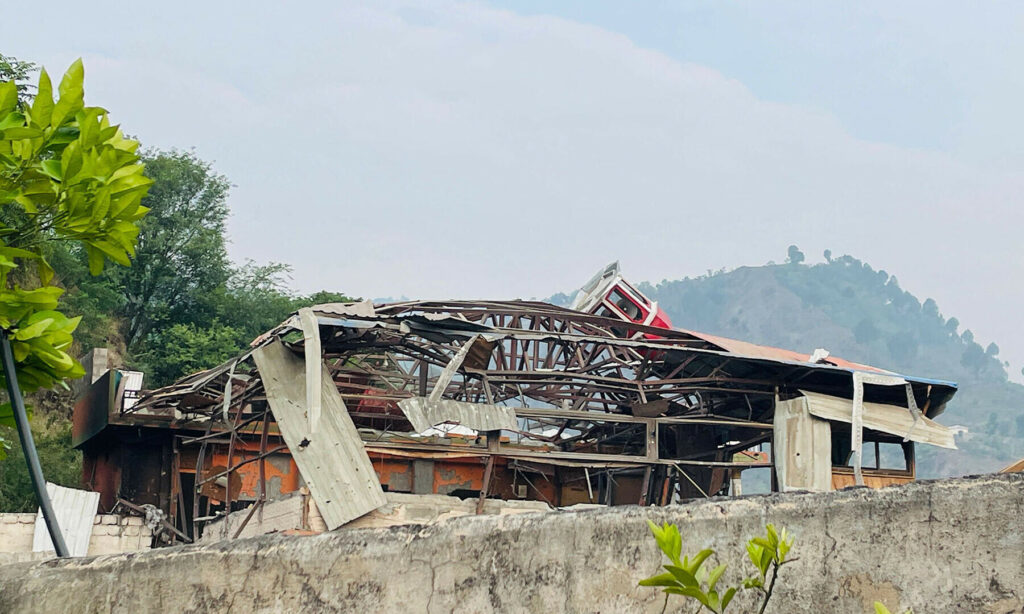
The beautiful valley of Kashmir has been equated with the beauty and peace of the world over the decades. But, under the veneer of tourism propaganda and diplomatic language is one of the longest and most unstable battlefields in the world. The region is undergoing a transformation that extends far beyond mere administrative restructuring. The region has experienced what many critics consider to be a concerted attempt to change its very identity and demographic composition since Articles 370 and 35A were revoked in 2019.
The Comparison: Kashmir and the Palestine Model
Among the most vivid similarities that have been made in recent times is that of Kashmir and Palestine. The recent policies of India in the region indicate a settler-colonial model. This includes not only military presence, but also the legalization of land and residency of non-locals, which is said to dilute the majority population of the indigenous. The special status revocation was not merely a legal procedure, but a gateway. The government has been accused of initiating a demographic shift by eliminating barriers to outsiders owning property in the state. This Israel-style settlement policy, as subject to digital discussions, is an uncharacteristic break in traditional border conflicts towards a more lasting reorganization of the Kashmiri social structure.
The Information Blackout and Civil Society
One of the major dilemmas in the comprehension of the depth of the crisis is the veil of secrecy. The longest internet shutdown in history occurred in Kashmir after the alterations in 2019. It was not just a technical failure but a methodical act to silence local journalism and block any records of human rights violations.
There has been an effective dismantling of civil society in Kashmir. Well-known human rights activists, including Khurram Parvez, have been jailed, and those journalists who cover the ground truth are under permanent risk of being detained. The human rights violations usually find it hard to get to the international level because foreign media and independent monitors have limited access.
The Ideological Engine: From Secularism to Hindutva
The move in Kashmir is intertwined with the larger ideological transformation taking place in India. The shift of the image of Gandhi, non-violence, secularism, to the image of India engineered by the Hindutva ideology of the RSS and BJP is paramount to the Kashmiri experience. India has taken the Western franchise of the war on terror and rebranded it as “war on Islam,” making it a religious conflict. Its actions within India as well as in Kashmir against the Muslims show the radical extremism of its ideology.
This radicalization is not restricted to political leadership but is instead being injected into the national consciousness with alterations in school curricula, movies, and the renaming of historical landmarks. In Kashmir, this has taken the form of de-Islamization, with cultural identifiers such as the pheran or the hijab being pushed to the periphery and the Islamic history being wiped out of the central stage. The idea is an undivided Hindu nation (Akhand Bharat), with Kashmir being a major testing ground for these expansionist theories.
The Global Reaction: A Double Standard?
The international community’s response to Kashmir remains a point of contention. While Western nations frequently intervene in conflicts involving “state interests” or the “War on Terror,” the Kashmiri struggle often falls into a diplomatic blind spot. It shows a two-sided approach; resolutions are imposed in such countries as Iraq or Afghanistan, but the United Nations resolutions on the controversial situation in Kashmir seem to be completely disregarded.
By framing its activities in Kashmir as counterterrorism, India has managed to sell the story, which has gained traction in a post-9/11 world. By packaging a political struggle over self-determination as a religious or terrorist problem, the state has been in a position to sustain high diplomatic relations with the West in the course of its internal crackdowns. By allowing India to frame the 2019 revocation of Articles 370 and 35A as an “internal matter,” the international community effectively signalled that the UN Charter’s principles of self-determination are negotiable when they conflict with the strategic interests of a nuclear-armed state.
The Risks for the Diaspora
The scope of the conflict today stretches much farther than the valley bounds. Kashmiris in exile, especially in the UK and Canada, claim to be targeted by state actors. Activists are declared terrorists by the Indian government and assaulted because of their advocacy. It is this transnational repression that is directed to stifle the only voices that have the freedom to speak. It cultivates an atmosphere of fear where the diaspora can no longer mobilize efficiently, since they worry about their family members at home who are usually used as a bargaining tool.
The Future of the Subcontinent
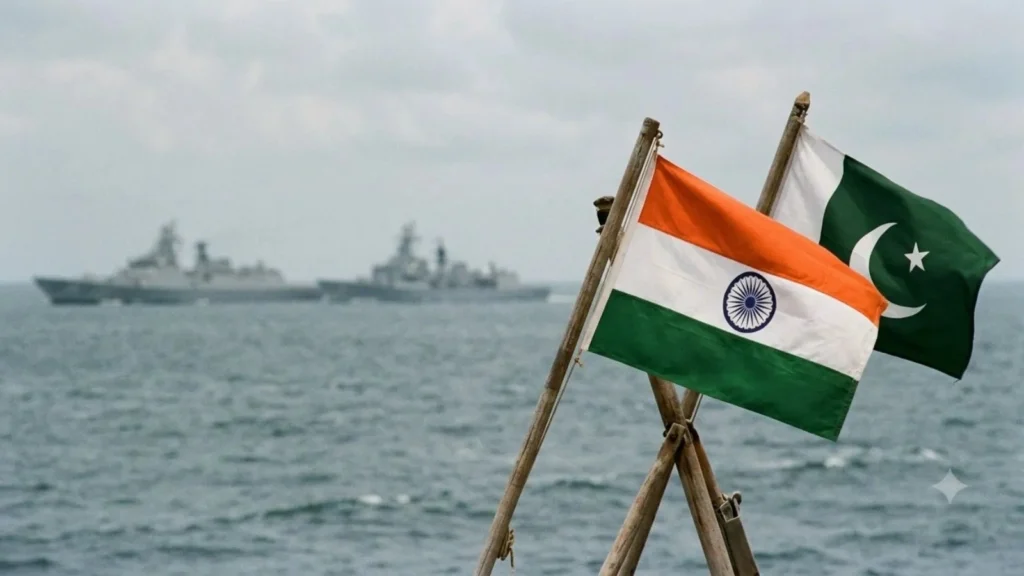
Kashmir is not only a local problem but also the key around which the balance of South Asia revolves. As both India and Pakistan are nuclear countries, the unrest position of the territory is a constant danger to the peace of the whole world. Indian yoga, movies, and cultural diplomacy are the beginnings of the soft power that conceals the ruthless truth of its atrocities in Kashmir. To have a sustainable solution, the world has to go beyond branding and consider the real human rights matters. The feeling of the people of Srinagar is real, and the changes in demographics that are being introduced today can soon become irreversible.
A Call for Global Consciousness
The Kashmir crisis is a challenge to the international community concerning the commitment to the rule of law and human rights. It is not an issue of a border conflict anymore, but a fight against the massacre of the identity of a people. The voices in the valley help us to remember that, as the so-called shining image of an uprising India is being marketed worldwide, human dignity and self-determination must not be sacrificed to progress. The world must decide whether it will remain a silent observer to the “Palestinianization” of Kashmir or if it will finally uphold the promises made to the Kashmiri people decades ago.
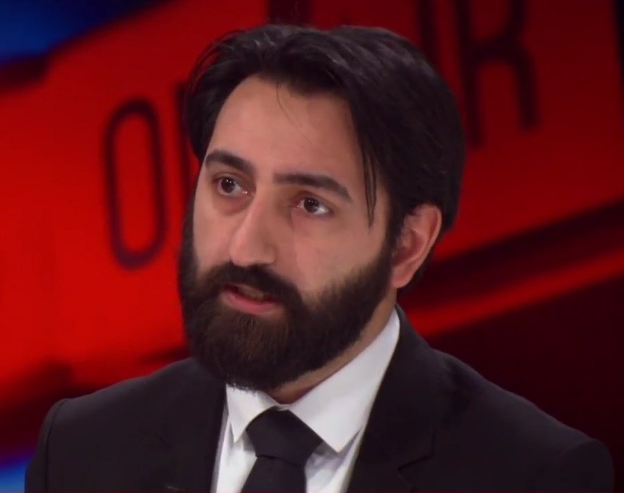
Muzzammil Ayyub Thakur is the President of World Kashmir Freedom Movement (WKFM) and Director of The Justice Foundation: Kashmir Institute of International Affairs.