Skip to content
X-twitter
Facebook-f
Youtube
Instagram
Linkedin
Home
Submission
About Us
Contact Us
Home
Submission
About Us
Contact Us
Own Your Perspective
Search
Regions
Americas
Asia-Pacific
Europe
South Asia
Afghanistan
Bangladesh
Bhutan
India
Maldives
Nepal
Pakistan
Themes
Defense and Strategy
Diplomacy and Geopolitics
Economy and Trade
Environment and Climate Change
Governance and Public Policy
Security and Counter Terrorism
Social Issues
Society and Culture
Campus Talks
Quick Byte
The Debate
Digital Debate London
Commentary
Regions
Americas
Asia-Pacific
Europe
South Asia
Afghanistan
Bangladesh
Bhutan
India
Maldives
Nepal
Pakistan
Themes
Defense and Strategy
Diplomacy and Geopolitics
Economy and Trade
Environment and Climate Change
Governance and Public Policy
Security and Counter Terrorism
Social Issues
Society and Culture
Campus Talks
Quick Byte
The Debate
Digital Debate London
Commentary
History
Blind in the Flood Season
Editorial Desk
July 23, 2026
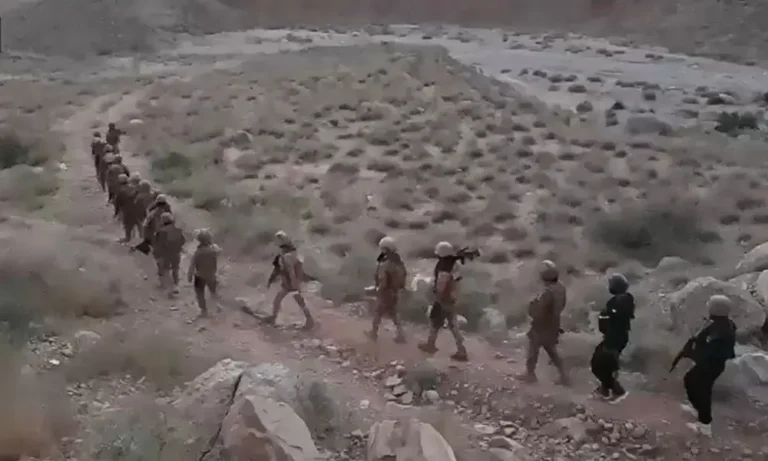
Blood and Bytes: The Hybrid War Raging in Pakistan’s Unstable West
Usama Qazzafi
July 22, 2026
What Amnesty Got Wrong About the Omid Strike
Editorial Desk
July 22, 2026
A War Nobody Can Afford to Keep Fighting
Editorial Desk
July 22, 2026
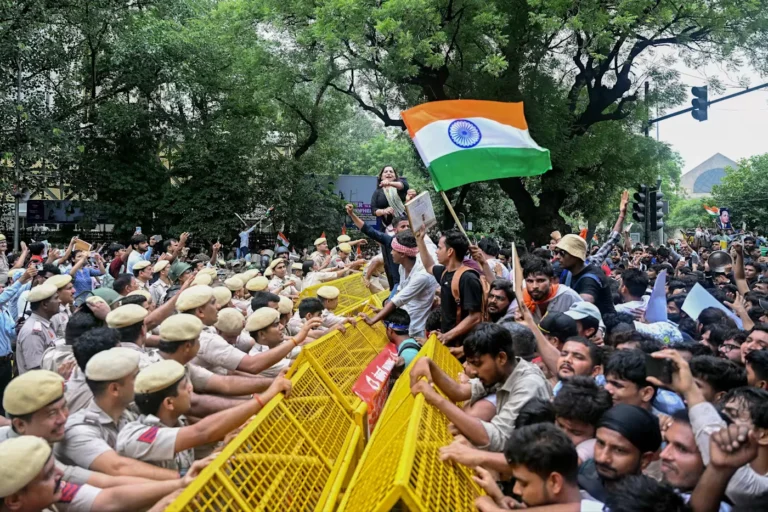
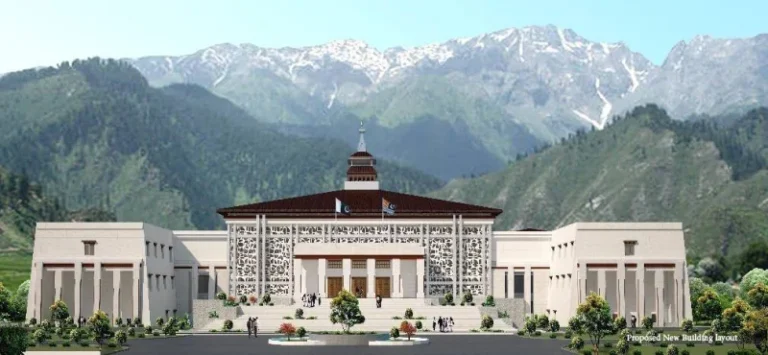
From a Courtroom Remark to Parliament’s Gates
Editorial Desk
July 21, 2026
The Window Is Open, the Question Is Whether Pakistan Walks Through It
Editorial Desk
July 20, 2026
Shutting the Bazaar, Missing the Point
Editorial Desk
July 19, 2026
BLA, TTP, and India’s War on Pakistan’s West
Editorial Desk
July 18, 2026
EUR 732 Million in Savings and a Decade of Steady Progress
Editorial Desk
July 17, 2026
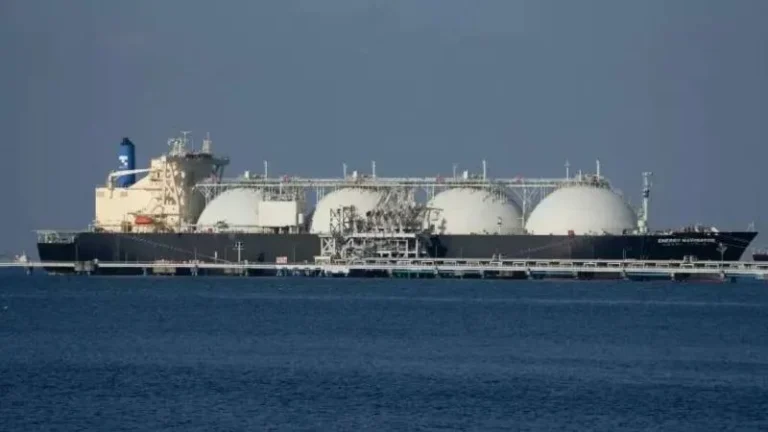
The Lesson Hormuz Taught Pakistan About Energy
Editorial Desk
July 17, 2026
« Previous
Page
1
Page
2
Page
3
Page
4
Page
5
Next »
READ MORE
Pakistan Rejects India’s Criticism of OIC Kashmir Resolutions
October 23, 2026
Field Marshal Munir Vows to Continue Counterterrorism Drive
October 23, 2026
FIA Busts Illegal Kidney Transplant Network in Islamabad
October 23, 2026
Rawalpindi Unsafe Schools: 143 Buildings Need Repairs Now
October 23, 2026
Operation Almas: The Gap Between BLF’s Claims and the Evidence
October 23, 2026
Pakistan India Crises: Gen Zubair Hayat Warns of Greater Danger
October 22, 2026
The Consultation Game
October 22, 2026
When Closure Replaces Justice
October 22, 2026