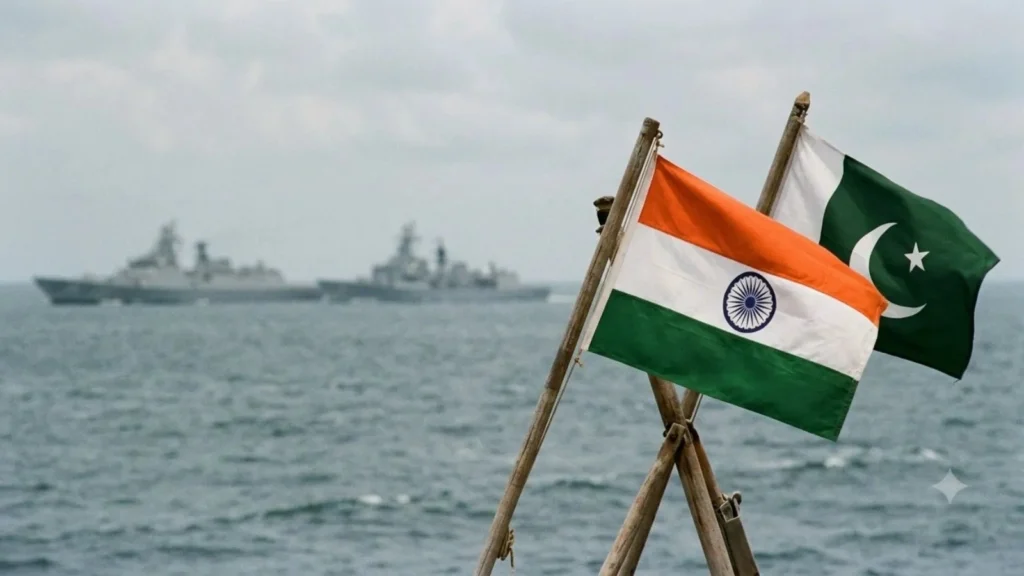
A glimmer of hope has come through the fog of war in the fourth week of a conflict that has already transformed the geopolitical landscape of the Middle East. According to reports, the Trump administration has bypassed conventional channels and offered a detailed 15-point peace proposal to Iran through Pakistan. This off-ramp comes at a time when oil prices are already reeling because of the Strait of Hormuz being closed, and President Trump has now threatened to destroy the power infrastructure of Iran unless a resolution is achieved within a five-day timeframe.
The 15-point plan, led by advisors Steve Witkoff and Jared Kushner, is a maximum pressure strategy made into a diplomatic ultimatum. Sources involved in the talks claim the conditions were similar to hardline concessions demanded of Ukraine in the Istanbul talks, and term the conditions as a demand of unconditional surrender. In its essence, the proposal is aimed at the complete disarmament of the Iranian nuclear program. It requires Tehran to destroy its nuclear program, to abandon all uranium enrichment, and to give a permanent undertaking that it will never develop nuclear arms. Perhaps most audaciously, Trump has suggested that the United States would physically take possession of Iran’s enriched uranium, a move he described as “taking it ourselves” to ensure it never fuels a warhead.
The Terms of Engagement
It is not just a list of restrictions but a radical reorganization of the status quo in the region. In addition to the nuclear file, the 15 points demand that Iran should cease supporting and financing regional allies such as Hezbollah and Houthis and should ensure free international shipping across the Strait of Hormuz. The White House, in its turn, is giving a big present: the total removal of all sanctions that have crippled the Iranian economy for years, and the technical support of the creation of the purely civilian nuclear energy project at the Bushehr location.
This carrot-and-stick strategy serves as an appeal to a nation already experiencing rolling blackouts and a broken digital economy. Reception in Tehran, however, has been icy. Iranian Parliament Speaker, Mohammad Bagher Qalibaf, described the news of direct negotiations as fake news and psychological warfare, even though Trump boasts of major points of agreement. To the Iranian leadership, the demand for what amounts to a supervised surrender of their primary strategic deterrent, enriched uranium, may be a bridge too far, even with the promise of economic salvation.
A Region on the Brink
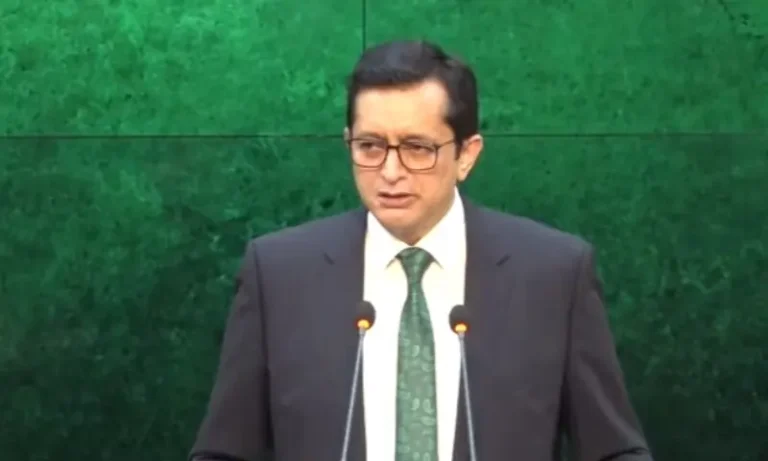
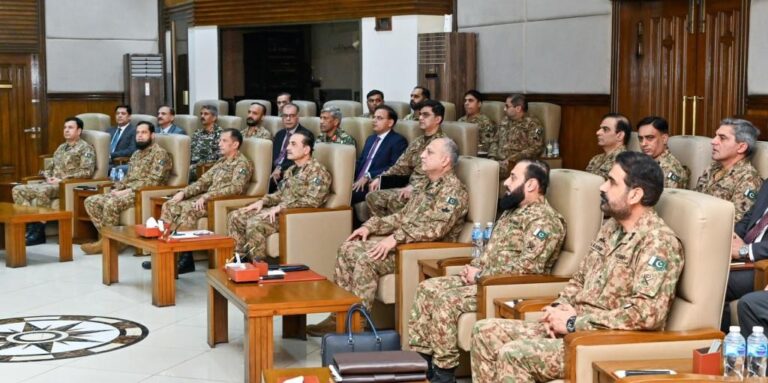
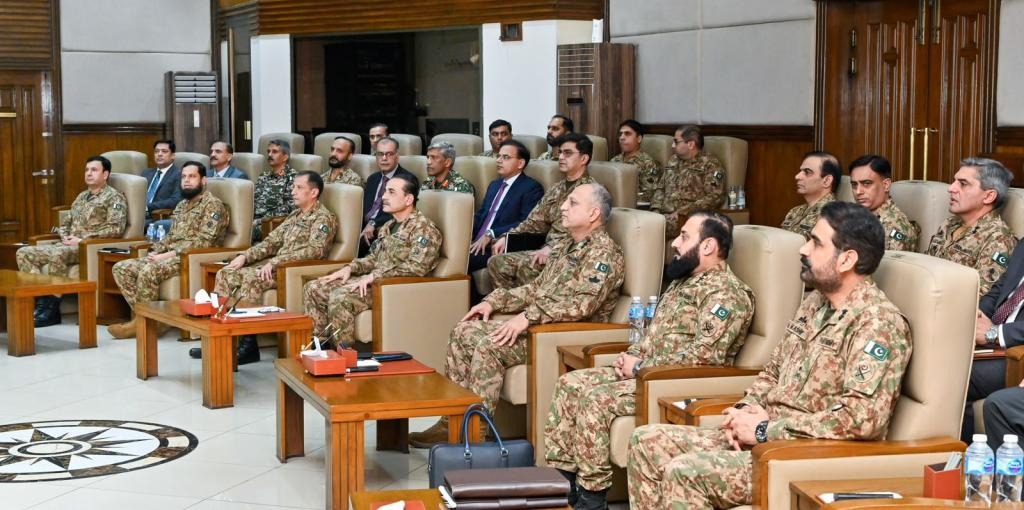
The consequences of this 15-point plan go well past the borders of Iran. The world economy is now facing the most severe energy supply shock ever recorded. As 20% of global oil flow is virtually frozen, the Trump administration faces tremendous pressure to resolve the situation so that it is able to stabilize world markets without being perceived to be retreating. The move to include Pakistan as a mediator is a strategic one, and it is based on the previous long-standing relationship between Islamabad and Tehran. The army chief of Pakistan has become a major interlocutor, who has managed to fill a gap that the earlier Omani-led efforts failed to bridge.
The plan also faces a silent hurdle in the form of Israel. The US wants an off-ramp, but Prime Minister Benjamin Netanyahu has promised to keep on striking till there is a deal that protects the vital interests of Israel. It is not clear whether Prime Minister Netanyahu has been in full agreement with a strategy where the current Islamic Republic continues to be in power, particularly following previous US rhetoric that hinted at regime change. The fact that Trump has shifted to the negotiated peace implies an acknowledgement that a ground war in Iran would be a quagmire of unimaginable proportions.
Ultimately, the 15-point plan is a ray of hope to avoid a global existential crisis. Should Tehran accept, it would imply a cessation of a four-decade cold war and stabilization of the energy veins in the world. If they refuse, the five-day extension on the threat to bomb Iran’s power plants may well be the final countdown to a regional catastrophe.

Our Editorial Desk is the intellectual engine of Digital Debate, responsible for the rigorous research that anchors every conversation. Our team deep-dives into data, checks every source, and consults academic literature to move beyond headlines and identify the questions behind the questions.