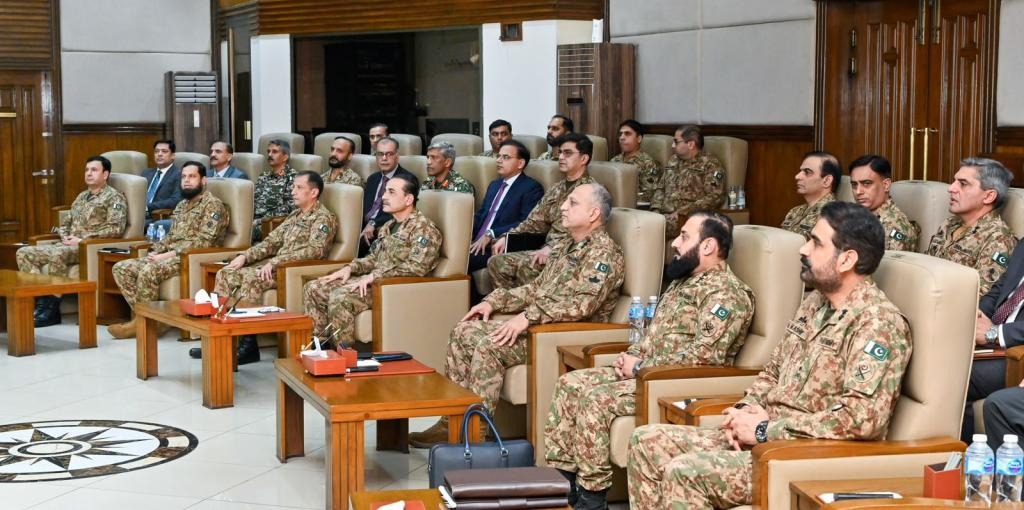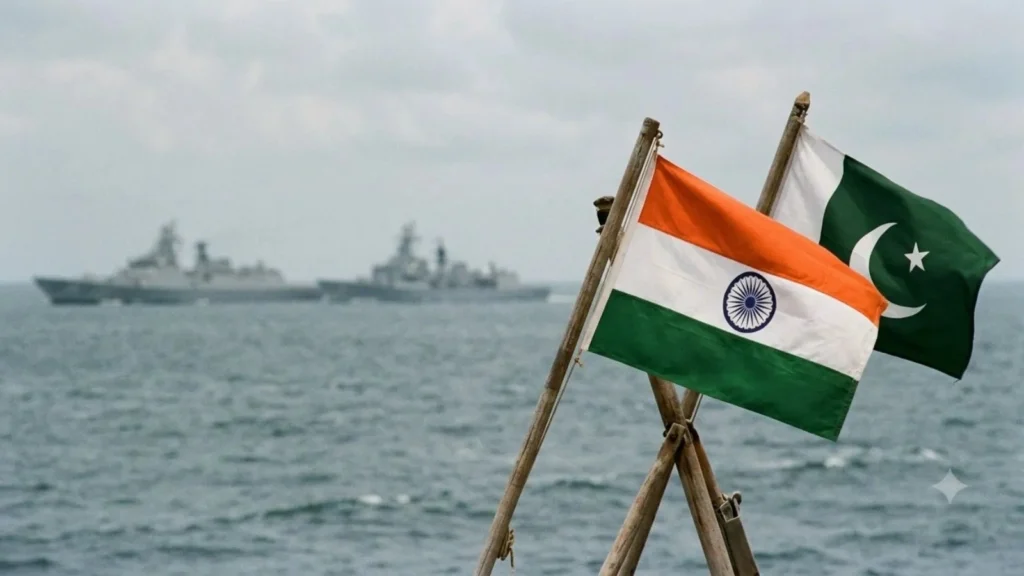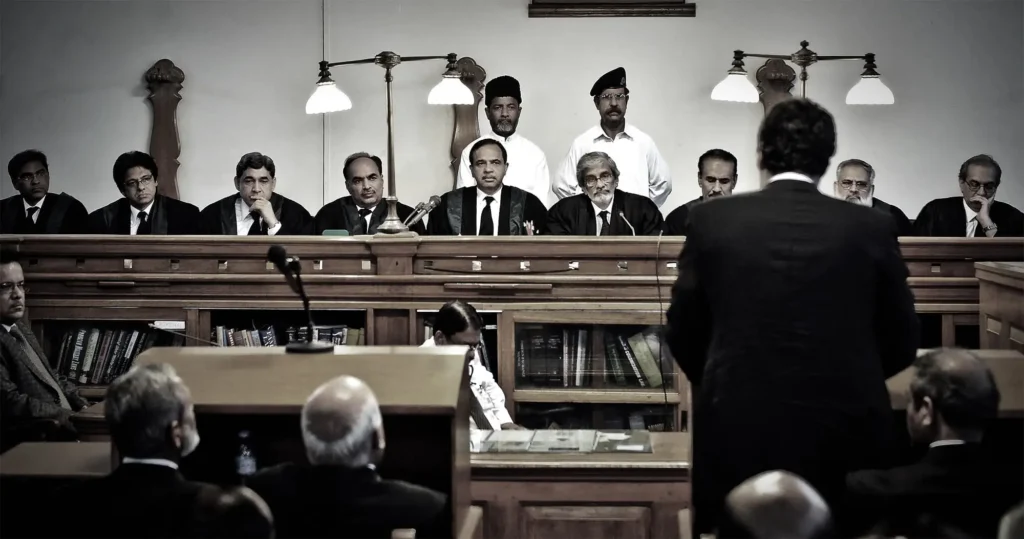
The essence of conflict in the modern geopolitical context of South Asia has changed fundamentally. Although the shadow of traditional military arms and nuclear deterrence still looms over Pakistan-India relations, a more covert and refined battle is being fought. This is the age of lawfare: the calculated application of global law, human rights regimes, financial rules, and diplomatic conferences as instruments to coerce, discredit, and estrange adversarial states. The battlefield has now grown beyond physical borders and moved to international institutions and the court of global opinion. To Pakistan, this is no longer a scholarly pursuit to study and learn this non-traditional warfare, but a matter of national survival.
The Evolution of Lawfare in the Region
The history of modern lawfare in South Asia could be traced back to the global security system of the post-9/11 world. After the attacks on the World Trade Centre, a global counter-terrorism regime was formed, which was mainly directed at networks in Afghanistan. Pakistan was bound to be sucked into this arrangement by its unique geography.
India used this to weave a story that connected regional opposition and unrest to state-sponsored terrorism. The use of high-profile cases like the Mumbai, Pulwama, and Uri attacks was an effort by India to seek to use UN Security Council mechanisms to isolate Pakistan. This strategy, however, is experiencing dwindling returns. After two decades, the global community is increasingly looking beyond the terrorism discourse, especially as Pakistan has significantly reformed its domestic systems and reduced support for militant domains.
The Changing Narrative of Kashmir
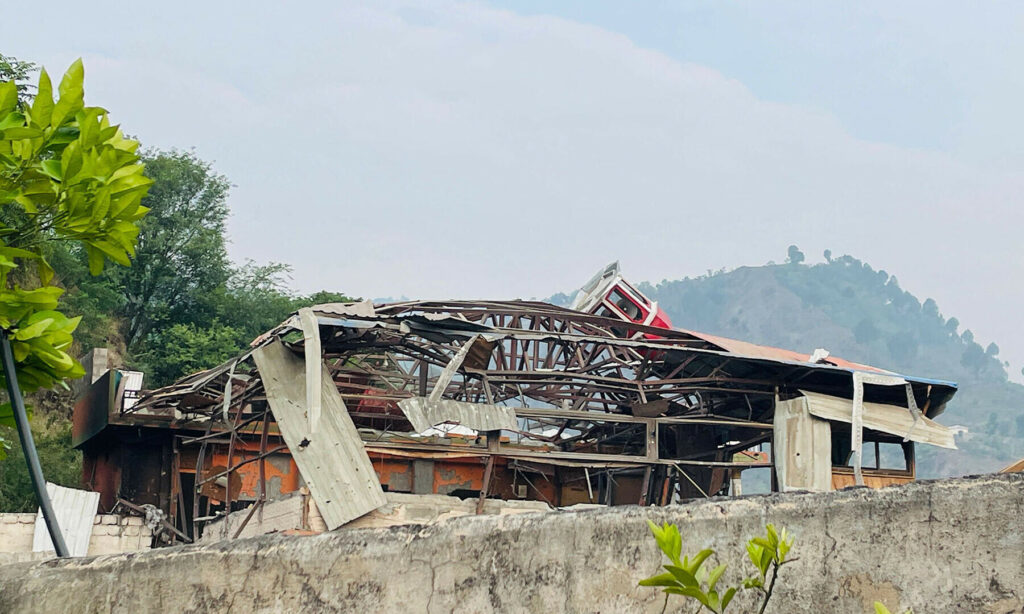
Kashmir continues to be a fundamental pillar of this legal struggle. The move by India to revoke Article 370 was an effort to change the international validity of the region. However, this action has introduced new vulnerabilities to India. India has been experiencing increasing international discomfort by turning Kashmir into one of the most militarized regions in the world and thwarting democratic processes. The internet blockage and the bombing of a Muslim-majority state have generated a sense of legitimate frustration among the Kashmiri population, seriously undermining the legal explanations that India has long proclaimed.
The Legal Line of Defense
International law is often seen to be ineffective in this unequal world where power often prevails over justice. But it is still a very important first line of defence. Article 2(4) of the Charter of the UN, the ban on the use of force, is a shield that countries must learn to use to their advantage.
In its latest escalations, the capacity of Pakistan to defend its actions as a legitimate response to self-defence was based on international legal frameworks. This was not only a military success, but the capacity to show the world technological competence and strategic gravity. Moreover, the enhancement of diplomatic relations with other influential forces, such as China and the Arab world, i.e., Saudi Arabia, has developed a new deterrent. India should now take into account the fact that an attack by Pakistan has both wider diplomatic and financial implications beyond the immediate war.
Strengthening Domestic Systems
To shift Pakistan into a proactive stance rather than a reactive one that is placed on the back foot, there is a need to focus on integrity in its own internal systems. It is imperative to navigate the forums such as the FATF (Financial Action Task Force); Pakistan has come a long way in correcting the underlying systems on issues of anti-money laundering and terrorism financing, and this shows that domestic rectification is the most effective way of fighting off international grey listing.
Moreover, the transformation of intelligence into admissible evidence is a significant issue. The impact of intelligence dossiers in most cases has little effect internationally since they are not as open as a regular legal process, and Pakistan would have to fill the gap between intelligence collection and criminal procedure (CrPC) to construct cases that are admissible at international courts. At the same time, it is crucial to replace the colonial-era police systems with the contemporary ones that would be able to engage in undercover operations and advanced surveillance with due approval of the law.
The Human Rights Framework
Human rights are frequently deployed selectively as an instrument of international embarrassment. Although there are also some cases of double standards, where the mighty nations can disregard the atrocities of their allies, Pakistan cannot reject the idea of human rights as a purely Westernized one.
The most appropriate countermeasure to being a victim of human rights lawfare is to make sure that the rights of the citizens are secured at home. The majority of the principles present in the International Covenant on Civil and Political Rights (ICCPR) can be supported with the Islamic ideas of justice. Pakistan can deny its adversaries the necessary ammunition to undermine its legitimacy by responding to real complaints and enforcing the freedom of speech.
The Digital Frontier and AI
The digital and cyber realms will become the next level of the lawfare battlefield. With life moving more and more to the virtual world, it becomes an existential question for the state to control the digital arena. Pakistan has demonstrated an exceptional capability of retaliation using organic digital stories. The meme warfare and the real humour of the young Pakistani people have frequently been more effective in demoralizing the adversary than bot farms sponsored by the state.
Moreover, the emergence of AI-driven autonomous weapons leaves a legal gap. When an AI drone attacks a civilian based on programmed physical characteristics, who is responsible: the commander, the programmer, or the operator? These are the unresolved questions of the new world order.
Lastly, cyber sovereignty is a critical issue. A normal war would not destroy an economy as quickly as a cyberattack on the banking industry or the internet infrastructure. One of the ways in which future diplomacy can also be taken is the setting up of international norms stating that the internet is a civilian target that should not be attacked.
A Long-Term Strategy
The Western-based global order is now in transition, being replaced by a more disintegrated, block-based one. Pakistan needs to invest in long-term institutional solutions, which are not limited by the political cycle in this age of short-termism.
Winning in the contemporary world is not merely the number of tanks or missiles that a country has. It concerns political stability, institutional strength, and a strong legal narrative. To protect its interests, Pakistan should make sure that its institutions are efficient, that its laws are up to date, and that the rights of its people are honoured so that being legally right would have actual meaning in the international arena.

Muhammad Oves Anwar is a Director of Research at the Research Society of International Law (RSIL). His research interests include public international law, international human rights law, international humanitarian law, counter-terrorism law, and nuclear law.