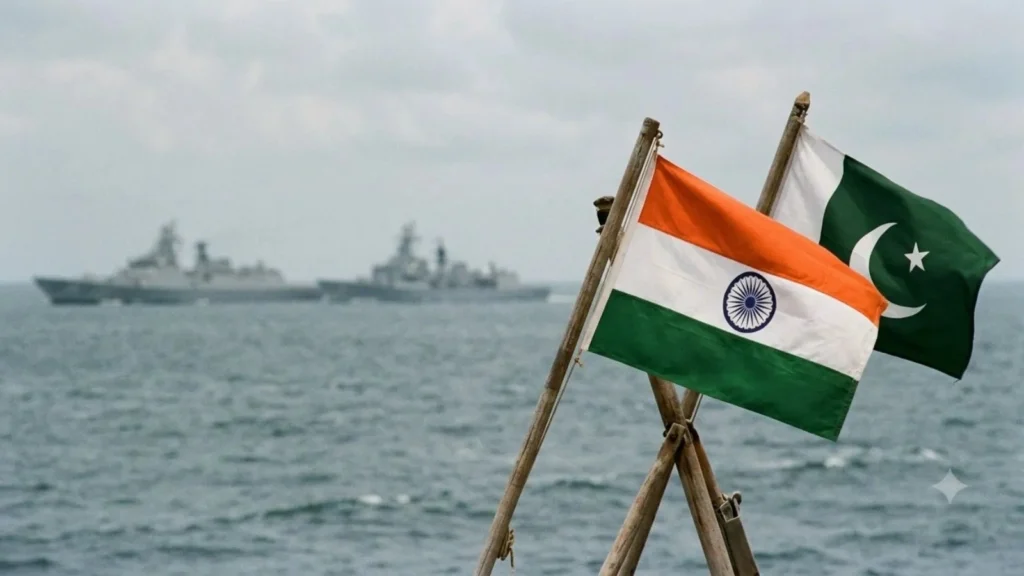
Trust, in the theater of world politics, is the greatest, the most precious, and at the same time the frailest currency. To the crew of the Iranian frigate IRIS Dena, that faith rested on the principles of multilateral cooperation as they attended the MILAN 2026 naval exercises of India in Visakhapatnam. However, on March 4, 2026, when the ship was sailing through international waters, off the Sri Lankan coast, it was hit by a US torpedo and sunk into the ocean floor. The IRIS Dena tragedy is not merely a story of military aggression, but it is also a sensitive revelation of the veil of friendship that the Indian foreign policy has always been, a cold opportunism that values superpower affiliation more than regionalism and international law.
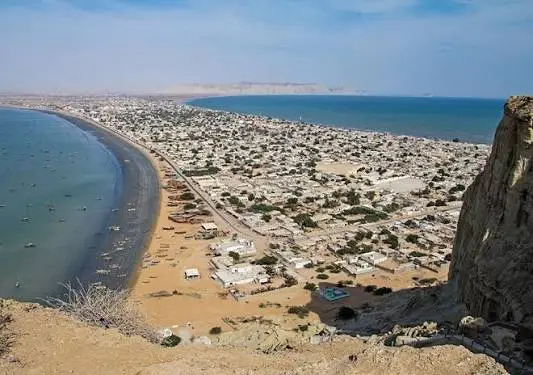
The sinking of the IRIS Dena was part of the wider context of Operation Epic Fury, an aggressive campaign by the Trump administration to destroy Iranian naval forces. Pentagon briefings said that a Mark 48 torpedo fired by a US submarine hit the Moudge-class frigate some 40 nautical miles south of Galle, Sri Lanka. The explosion was disastrous; eyewitnesses and captured footage report that there was one enormous explosion that made the ship break and sink in a few minutes.
Out of the 180 estimated crew members, Sri Lankan rescue teams had found only 32 survivors and 87 bodies. This was an act of war conducted in international waters, a space where the Dena, fresh from a diplomatic engagement in India, believed it was safe.
The Milan Mirage
The real outrage is in the timeline. The IRIS Dena was a dignified member of the MILAN 2026, an Indian-led naval exercise aimed at promoting maritime brotherhood, a few days before being destroyed. The Iranian sailors had strolled down the streets of Visakhapatnam, taken meals with their Indian counterparts, and been involved in exercises aimed at enhancing collective security.
But the answer to the desperate distress call of the Dena was a deafening silence on the part of New Delhi. As the Sri Lankan Navy struggled to rescue drowning sailors, India’s vast naval presence in the region was almost paralyzed by political calculation. This is a clear breach of Article 98 of the United Nations Convention on the Law of the Sea (UNCLOS), which provides that all coastal states must facilitate the effective search and rescue operations and masters of vessels must assist maritime victims. To a country that seeks to be a Net Security Provider in the Indian Ocean, it is an unexplainable violation of maritime ethics that India failed to be in the forefront of rescuing its own recent visitor.
Covert Complicity and Strategic Silence
The silence of the Indian government is not a diplomatic oversight; it seems to be a calculated alliance with Washington. While Prime Minister Narendra Modi’s administration has refrained from condemning the attack, reports from defense analysts like Colonel Douglas Macgregor suggest a deeper level of cooperation. MacGregor has asserted that the US Navy vessels have been using Indian ports to refuel and do logistics during the war, effectively making India a silent partner in the fight against Iran.
Even though the Ministry of External Affairs has refuted these assertions, the impression is very unflattering. India is still boasting of its investment in the Chabahar Port in Iran as an act of strategic alliances, but it remains silent when partner’s sailors are killed in its own backyard. This hypocrisy cracks the Vasudhaiva Kutumbakam (The World is One Family) slogan, which India often projects within the international platform.
A Warning for Afghanistan
This trend in behavior acts as a strong caution to the Taliban-led government in Kabul. Over the past few months, the Afghan leaders have turned to New Delhi more often in terms of trade, infrastructure, and legitimacy. But history and recent events show that Indian friendship is hardly unconditional.
The IRIS Dena incident is a reflection of what India did in August 2021. When the former Afghan government disintegrated, India was one of the first to close its embassy and withdraw, in effect relinquishing billions of dollars in development projects and leaving its local allies with an uncertain future. The lesson for the Taliban is clear that India’s presence is robust during times of profit, but it evaporates the moment a crisis demands a stand against Western interests. In case Kabul is in the crossfire of the global forces, IRIS Dena will show that New Delhi would opt to be strategically convenient without caring for its neighbors.
Regional Ramifications
The foreign policy of India is increasingly characterized by an ideology of Hindutva which discriminates against Muslim people within the country as well as takes an opportunistic approach to the Muslim countries in the international arena. Whether it is its crackdown on autonomy in Kashmir or its water-sharing wrangles with the downstream neighbors, the common denominator is a lack of respect to regional consensus and international norms.
The sinking of the IRIS Dena has eroded the credibility of multilateral forums like MILAN. Countries in the Indian Ocean should insist on accountability to guarantee regional security. The Dena tragedy must not be forgotten; it should serve as the catalyst for a new regional order that prioritizes genuine mutual aid over the shifting sands of opportunistic alliances. As long as India is unable to demonstrate that it values the lives of its neighbors as much as its position in Washington, its cries of regional leadership will merely sound empty.

Ammar Azam is an IR scholar and professional translator with a dual background in Electrical Engineering and International Relations. A former Communications Officer for Les Médecins and translator for AKRSP, he specializes in analyzing South Asian regional dynamics through a lens of cultural history and strategic theory.