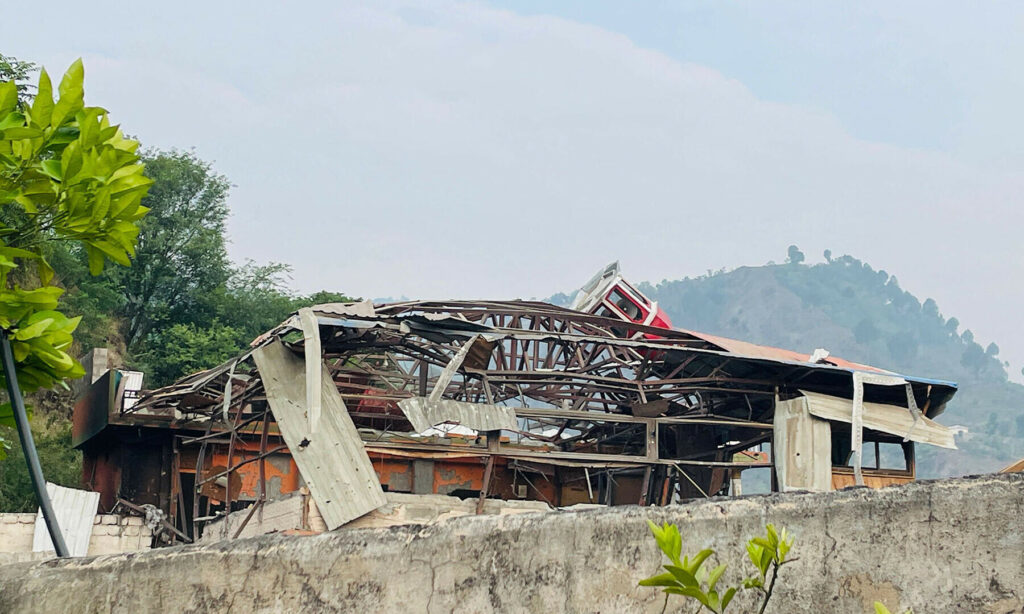
The skeletal remains at the Gul Plaza shopping centre in Karachi and the charred ruins of Haleem Plaza on Quetta’s Prince Road serve as more than just tragic sites of economic loss; they are monuments to a systemic failure in urban infrastructure. In a series of a few days in January 2026, infernos engulfed Pakistan’s largest metropolis and the Balochistan capital, which reflected each other in cause, intensity, and the terrifying pace at which they overwhelmed local emergency responses. These were not some examples of misfortune, but the result of decades of uncontrolled commercial growth and an outright disregard of the fundamental principles of civil engineering and the safety of the people.
Karachi’s Gul Plaza
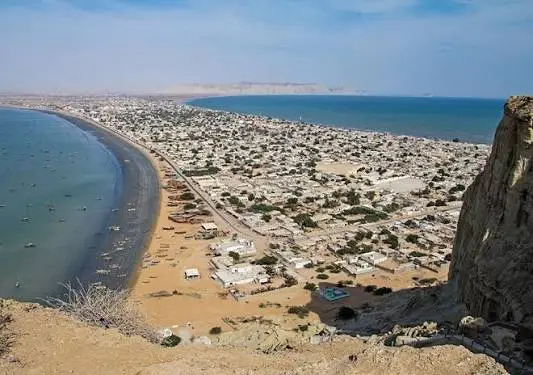
The January 17, 2026, fire in the Gul Plaza turned out to be among the most fatal fires in the history of Pakistan, with the official death toll reaching at least 61. In one of the most horrifying stories, on January 21, 30 corpses were found in one of the shops, named Dubai Crockery, located on the mezzanine floor. The shopkeepers and customers who were attracted by a sale during the wedding season had reportedly lowered the iron shutters of the shop to protect themselves against smoke, assuming the fire would be contained; instead, they died due to suffocation while waiting for help that could not reach them.
The tragedy underscores the abundant weakness of high-density commercial infrastructure in Pakistan, i.e., the total lack of effective means of exit. In Karachi, urban congestion has increased to such an extent that every square inch of space in the city is converted into retail stores. Similarly, Gul Plaza was initially planned to be a retail space of a total of about 1021 stores on three floors, but according to the investigation reports, there are now about 1200 stores operational during the time of the fire. It was also found that 14 out of the 16 emergency exits were locked or blocked, which in effect trapped people inside. Early investigations suggested it was a short circuit; however, the real killer was the infrastructure that enabled a spark to escalate into a firestorm, due to inflammable goods and restricted corridors.
Quetta’s Haleem Plaza
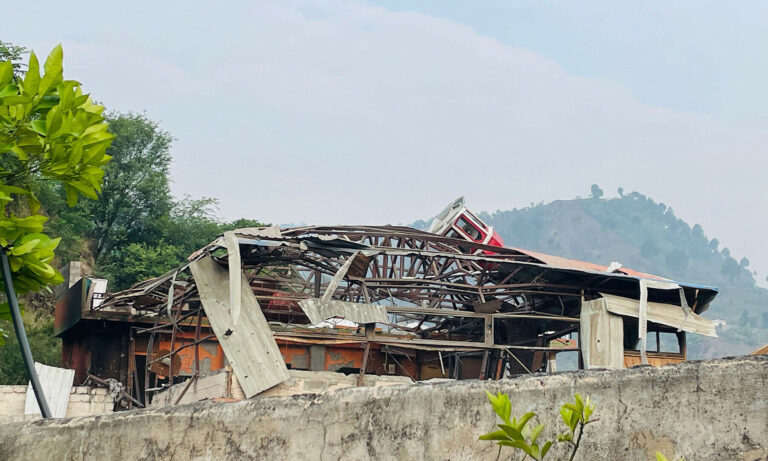
On January 20, 2026, the Haleem Plaza incident in Quetta witnessed more than 120 shops being reduced to ashes. As in Karachi, the fire was caused by a short circuit that ran quickly because of the presence of transformers and naked power cables. Liaquat Bazaar and Prince Road locations in Quetta are defined by small lanes and overhead electrical wires, thus making it almost impossible to get large fire tenders to move there.
The Quetta incident highlights a secondary infrastructure crisis, i.e., the unavailability of local firefighting resources. Although the reaction was described by the authorities as timely, the reality that three individuals, including firefighters, became unconscious because of the smoke inhalation indicates the absence of specialized gear and ventilation within commercial plazas.
Why Infrastructure Fails
A recent study notes that the mix of electrical overloading of non-supporting circuits and chronic inadequacy of safety checks leads to fire disasters in commercial markets. These conclusions match the three key pillars of failure witnessed in the 2026 tragedies.
First, there is a systemic breach of building codes. The Building Code of Pakistan (Fire Safety Provisions) clearly states that fire detection systems and light exit signs must be there, but Karachi city has only 28 fire stations in comparison to a population of close to 35 million people, which is grossly lower than the international standard of one station per one hundred thousand people. Second, the city has developed unplanned urbanization, which has led to vertical slums where commercial interest has driven occupancy way beyond comfort. Third, limited access during emergencies continues to be a significant challenge; encroachments at markets like Gul Plaza force fire trucks to park far away, causing them to miss the critical window for suppression, and water shortages often hinder firefighting efforts.
Policy Recommendations
In order to avoid the repetition of such tragedies, it is imperative that the strategy of reactive firefighting be replaced with proactive risk management.
- Compulsory Fire Certification and Audits: The Fire Safety Certificate system of the National Fire Protection Regulations needs to be adopted by the authorities. No commercial plaza is supposed to operate without a review of its electrical wiring and fire suppression systems in the plaza every year.
- Refinement of Existing Infrastructure: Although new buildings have to be in line with the 2021 Building Code, the actual threat is older buildings, such as Gul Plaza. Policies should encourage or require retrofitting of smoke detectors, external fire escapes, and central alarm systems within the older commercial hubs.
- Decentralized Rapid Response Units: Large fire stations on the urban periphery cannot work in traffic-jammed cities. Rapid Response Pods, smaller units that have fireballs and compact tenders, should be included in the urban planning in high-risk areas of the market to contain fires before they spiral out of control.
- Mandatory Insurance and Community Enforcement: State oversight must be augmented by a mandatory fire insurance model for commercial properties. Insurance providers would require independent safety certifications before issuing policies, creating a market-driven incentive for compliance.
Conclusion
The tragedies in Karachi and Quetta are not accidents in the traditional sense; they are the foreseeable results of the lack of adherence to urban safety practices. As long as commercial greed is allowed to bypass building bylaws, and as long as infrastructure is built for profit rather than people, the skyline of Pakistan’s cities will continue to be stained by the smoke of preventable disasters. The silence of the 61 victims in Gul Plaza requires more than a mere momentary outcry; it also requires a complete overhaul of the compromise culture that is currently ruling the urban development.

Our Editorial Desk is the intellectual engine of Digital Debate, responsible for the rigorous research that anchors every conversation. Our team deep-dives into data, checks every source, and consults academic literature to move beyond headlines and identify the questions behind the questions.