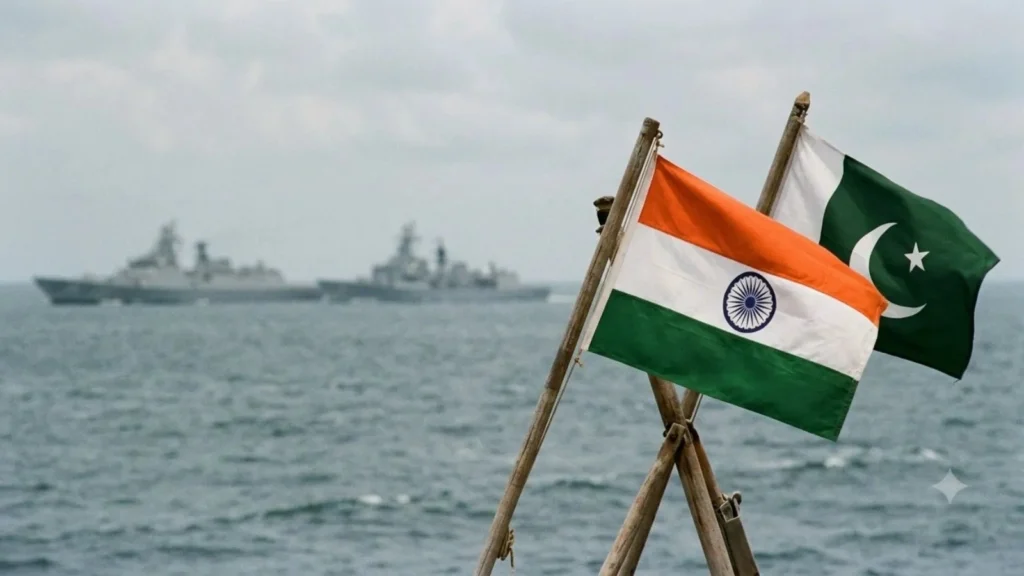
The strategic patience of the international community towards the Taliban administration has officially expired. What began as a diplomatic strain has escalated into a regional security crisis that threatens to transform the geopolitical landscape of South Asia. This shift of cautious involvement to actual military conflict follows the evident and alarming pattern, from warnings to existential crisis.
The Ignored Alarms
In 2025, the year of almost desperate appeals by Islamabad and sobering, clinical reports by the United Nations, the seeds of the present conflict were planted. In June 2025, the UN Analytical Support and Sanctions Monitoring Team published its thirty-sixth report, stating explicitly that the Taliban was not living up to its claims that Afghanistan was a terror-free state. The report cited Al-Qaeda as being at a stage of reorganization, and that the Tehrik-e-Taliban Pakistan (TTP) was enjoying a great degree of freedom of movement and a preferential treatment by the de facto authorities.
By August 2025, the tone of the Pakistani diplomacy was no longer frustration but an existential warning. In a formal statement to the UN Security Council, the Pakistani representatives said that the threat of terrorism originating from Afghanistan is a serious and immediate danger, based on the fact that there are more than 6,000 TTP fighters with safe havens across the border. Islamabad cited a 100% rise in terrorism-linked deaths since 2021, as 2025 was the year of the largest number of deaths in the country in almost ten years.
In September 2025, at the outskirts of the UN General Assembly, there was a rare moment of regional alignment. The foreign ministers of China, Russia, Iran, and Pakistan together called on the Taliban to eliminate all terrorists, particularly mentioning the TTP, ISIL-K, and the East Turkestan Islamic Movement (ETIM). This was the first time the Taliban’s most significant regional partners presented a unified front, warning that economic integration was impossible without verifiable measures against militancy.
The Erosion of Trust
After an increase in organized militancy by 36% during the winter months, Pakistani security agencies in January said they had found that about 80% of insurgents who were captured in cross-border raids were Afghan citizens. This information gave conclusive evidence that the Taliban’s promises were hollow. At the same time, UN observers have claimed that the Taliban leadership was putting regime unity first before international commitments, and it was preferring to keep foreign fighters safe, rather than risk internal divisions by cracking down on them.
The Taliban has responded to this escalation with a sustained and categorical denial. Spokesperson Zabihullah Mujahid and other de facto officials have continued to reject UN findings as negative propaganda and baseless claims. Kabul continues to insist that there are no foreign armed groups present on its territory and that the Islamic State (ISIL-K) is completely defeated, frequently shifting the blame by asserting that any remaining threats stem from cross-border infiltration into Afghanistan rather than out of it. This denial of the existence of TTP or Al-Qaeda has led to a dangerous gap in diplomacy since regional powers have seen these denials not as an intelligence failure, but as a political unwillingness to intervene.
From Skirmishes to Open War
In February, the crisis boiled over, and the simmer of localized friction along the border turned into a full-fledged regional war. The release of a landmark UN monitoring report asserted that the terrorist factions were no longer lying low; instead, they were innovating, recruiting people through artificial intelligence, and surveilling them through drones.
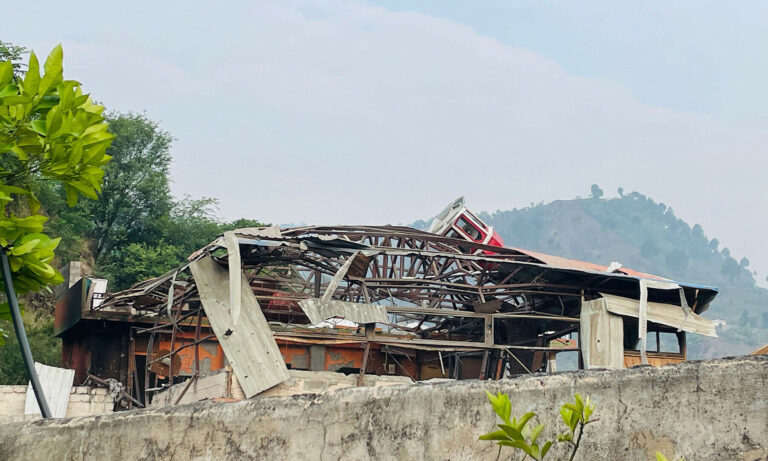
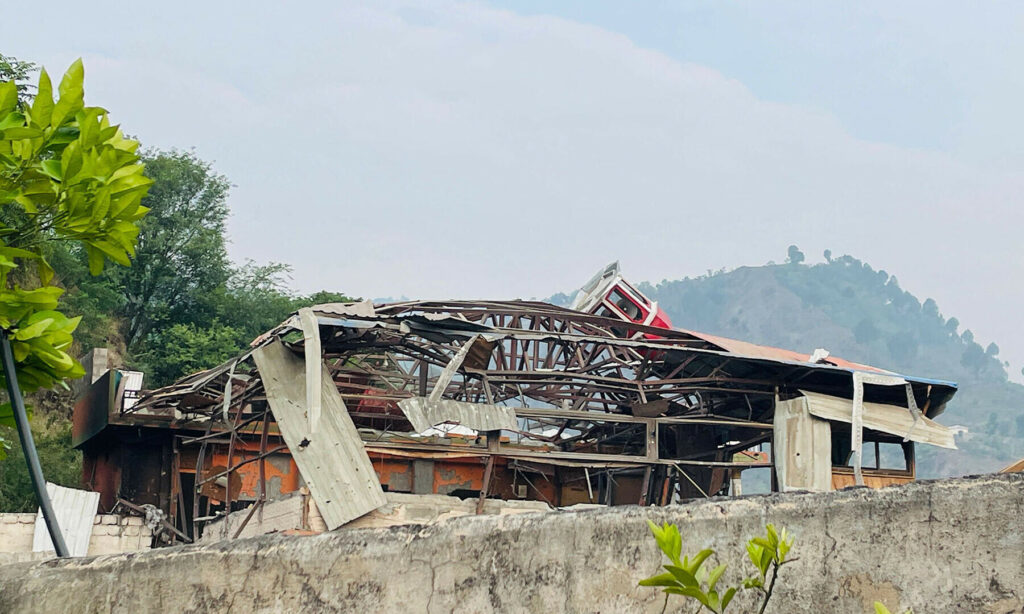
After a sequence of devastating suicide attacks on Pakistani security infrastructure, the situation has escalated to an open war. Pakistan made its first direct airstrikes on urban targets in Afghanistan, including Kabul and Kandahar, and hit Taliban military offices and weapons depots. This was a historic policy reform; it was the first time since the 2021 withdrawal that a neighboring state had directly targeted the infrastructure of the Taliban government to compel them to end the harboring of militants.
The military upsurge, however, has come at a punishing human and economic cost, as UNAMA briefs to the Security Council state. This war adds to an already worsening humanitarian crisis in which over 22 million Afghans require assistance. The Pakistan border, which is a crucial lifeline in terms of trade and aid, is closed, and this has seen commodity prices skyrocket, further pushing a large proportion of the population towards starvation. The situation in Afghanistan, the officials of the UN warn, is continuing to alienate the country because it has not fulfilled its counterterrorism and human rights commitments and is thus failing to achieve the economic self-reliance that will be necessary to bring this humanitarian disaster to an end.
The Global Ultimatum
By March, the stage had moved off the battlefield to the diplomatic level. The Russian Ministry of Foreign Affairs released a comprehensive security assessment estimating that Afghanistan now hosts up to 23,000 fighters from international terrorist organizations. Moscow expressed specific alarm regarding the resilience of ISIL-Khorasan and its ambition to destabilize Central Asia, suggesting that the Taliban’s counter-terrorism efforts were dangerously insufficient.
Simultaneously, China’s representative at the recent UNSC meeting warned of threats of terrorism spilling over from Afghanistan. China demanded that the Taliban move beyond verbal assurances and provide concrete actions to dismantle groups like the East Turkestan Islamic Movement (ETIM). Beijing has clearly stated that the safety of Chinese personnel and the security of regional infrastructure are now the non-negotiable price of continued diplomatic recognition and economic aid.
The time to find a diplomatic solution is quickly running out. The events of 2025 and early 2026 have proven that the threat of terrorism emerging from Afghanistan is the central driver of regional instability.

Our Editorial Desk is the intellectual engine of Digital Debate, responsible for the rigorous research that anchors every conversation. Our team deep-dives into data, checks every source, and consults academic literature to move beyond headlines and identify the questions behind the questions.