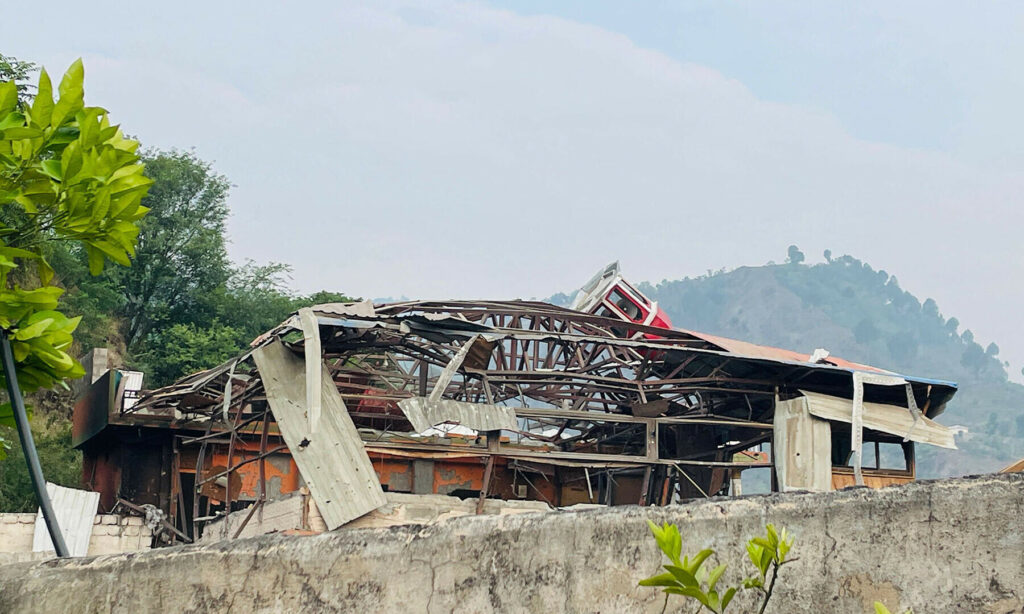
On April 22, 2025, gunmen opened fire on tourists in Baisaran Valley near Pahalgam in Indian-administered Kashmir, killing 26 people. The attack was among the deadliest on civilians in the region in decades. India accused Pakistan within hours, even before any investigation was made. That charge sparked a series of events that took two nuclear-armed countries to the brink of an all-out war. A year later, the charge stands. The evidence does not.
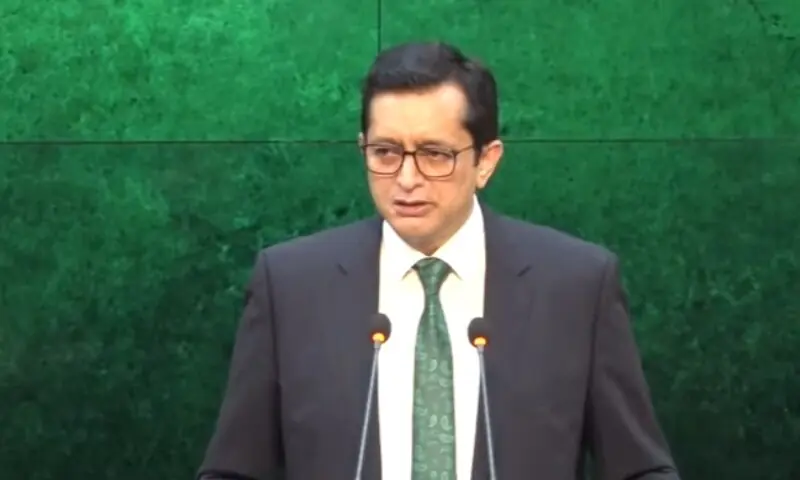
On the first anniversary of the attack, Pakistan claimed that India had not produced any concrete evidence or proof that implicates Islamabad in the Pahalgam attack and that the charges were made without research or inquiry. Pakistan’s position from day one was consistent: condemn the attack, deny involvement, demand proof. According to Islamabad, without any credible inquiry and verifiable evidence, any attempts to associate the Pahalgam attack with Pakistan are shallow, lack rationality, and logic of defeat.
The reaction of India towards the attack was prompt and harsh. On April 23, 2025, India suspended a 65-year-old agreement, the Indus Waters Treaty, cancelled visas of Pakistani nationals, shut the Wagah-Attari border crossing, directed the closing of the Pakistan High Commission in New Delhi, and reduced the size of diplomatic missions in both embassies. All of those measures were put in place before any publicly disseminated forensic finding. That speed of attribution, and the severity of consequences attached to it, is central to Pakistan’s case that the response was political rather than evidentiary.
The federal government of Pakistan noted that an FIR was registered within ten minutes of the event, which is immensely unusual considering both the distance of the location of the attack and the police station, and thus indicates that it was pre-planned. International observers raised similar concerns. Chatham House observed that Pakistan had volunteered to be involved in any neutral, transparent, and credible inquiry into the attack. The United States seemingly endorsed this offer, but India dismissed the offer as a ploy. The refusal to investigate is not a minor procedural point. In any evidence-based system, the party that refuses to investigate the accusation independently bears the responsibility of justifying that refusal.
From Allegations to Airstrikes
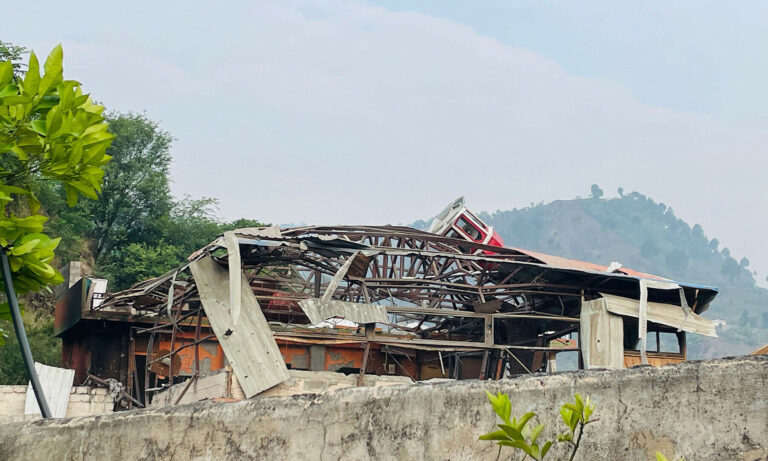
A diplomatic escalation was not what ensued. It was a military one. India launched Operation Sindoor on May 7, striking nine targets in six Pakistani and Pakistan-controlled Kashmiri cities with missiles. Pakistan claimed that dozens of civilians were killed during the attacks, as well as a number of military personnel. Pakistan characterized the attacks as unwarranted against its sovereignty and retaliated by using force. Pakistan claimed to have shot down six Indian jets in retaliation, including at least three Rafale fighters, and the Pakistani military confirmed all the planes had been shot down within Indian airspace.
The aerial exchanges drew significant international scrutiny. An Indian naval officer later admitted at a seminar in Indonesia that India had lost fighter jets to Pakistani fire in the conflict but blamed the losses on government-imposed constraints on Indian forces, a fact that led to a political storm in India. The Chatham House assessment was equally instructive. The think tank observed that the efforts of India to marginalize Pakistan internationally had not been so fruitful and that Pahalgam had actually brought back the Kashmir issue to the international agenda, at a very high price.
On May 10, the United States mediated the ceasefire. The ceasefire was announced after several hours of intense overnight diplomatic talks, and separately by the foreign ministry in Pakistan and the Indian foreign secretary. Pakistan later nominated President Trump for the Nobel Peace Prize due to its involvement in ending the confrontation. The four days of active warfare resulted in casualties on both sides, civilian infrastructure damage, and left regional markets in acute turmoil. What the four days did not produce was accountability for Pahalgam.
What One Year Tells Us
The attack remains unprosecuted in any international forum. India has failed to put forensic evidence on record. The joint investigation offer from Pakistan has not been accepted. The government of Pakistan has asserted that it has solid proof that India has been involved in terrorist activities within the country, such as the formation of militant groups to destabilize the country, a fact which it has presented to the international community at different times. That counterclaim sits on the table alongside India’s unproven allegation. Neither has been debated in an objective forum, since India denied the sole instrument that could have done so.
On the anniversary, Islamabad accused New Delhi of failing to substantiate its assertions and that India had not responded to calls to investigate independently what it termed a false flag operation. India’s Kashmir policy has consistently backfired, and the Pahalgam episode has placed the Kashmir dispute back on the international agenda in a way New Delhi has long sought to prevent. A year on, that outcome is the clearest evidence of where the episode ultimately led. Pakistan continues to demand an investigation. India is still declining one.

Our Editorial Desk is the intellectual engine of Digital Debate, responsible for the rigorous research that anchors every conversation. Our team deep-dives into data, checks every source, and consults academic literature to move beyond headlines and identify the questions behind the questions.