The politics of Reza Pahlavi, the eldest son of the last Shah of Iran, has moved beyond being a mere relic of the Pahlavi dynasty to a focal point, albeit polarizing, in the debate over the fate of the Middle East. The core of his recent political development is the Cyrus Accord, the suggested diplomatic structure aimed at restoring the strategic relations between Iran and Israel, which existed before 1979. In his historic visit to Jerusalem in 2023, Pahlavi highlighted that the past historical relationship between the two countries is not a political decision but a cultural and biblical one. He has positioned this normalization as a condition to a secular, democratic Iran and states that the aggression of the current regime towards Israel is an ideological imposition that has cost the Iranian people their regional well-being and their position in the world. This overture, however, has brought a raging international debate on the feasibility of exiled leadership and whether this kind of drastic change of regional relations would stabilize or fuel the flames in the Middle East.
International observers view Pahlavi’s Israel-centric strategy through a lens of high-stakes realism. On one hand, his position reflects a realistic secularism that would be effective in destroying the regional “Axis of Resistance.” Pahlavi can appeal to Western policymakers tired of decades of containment, sanctions, and proxy warfare by providing them with a new vision of a Normal Iran. On the other hand, such a high-profile association with Israel is a two-edged sword. It enables the existing Tehran regime to weaponize the discourse of foreign-sponsored regime change. This may potentially estrange nationalist forces in Iran, who may be open to secularism but are deeply alarmed by outside influence or western-style re-engineering of the region. The global community is thus left with a profound question, i.e., Is Pahlavi a far-sighted architect of a new regional order, or is his strategy too remote to the present-day domestic and grassroots realities of the Iranian street?
The official attitude of Pakistan towards Reza Pahlavi is, nonetheless, a piece of disciplined, yet nostalgic, strategic pragmatism. The Pahlavi dynasty was the best security partner of Pakistan during the 20th century. In the existential crises of the 1965 and 1971 wars with India, Iran, under the Shah, offered Pakistan vital military equipment, fuel, and diplomatic assistance. But most significantly, the Shah enabled the Pakistan air force (PAF) to use Zahedan and other Iranian bases to deliver supplies. Also, the Shah was central to the Regional Cooperation Development (RCD), a group that sought to connect the Iranian, Pakistani, and Turkish economies. This historical debt is still deeply entrenched in the memory of the Pakistani military and diplomatic establishment, which recollects the Shah as a brother who had supported the nation during the time when other world powers were too cowardly or had placed an arms embargo.
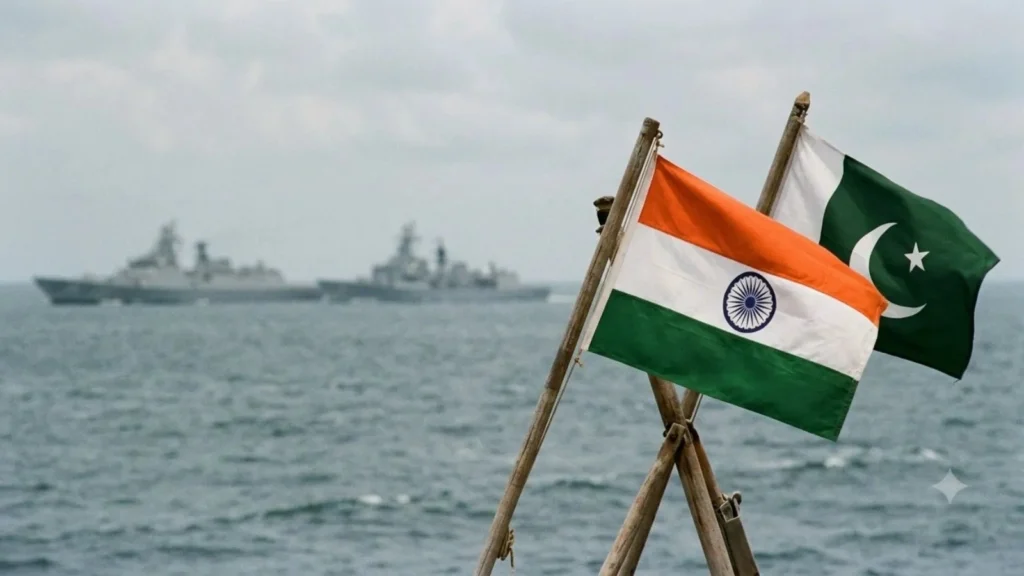
But in the modern geopolitical environment, Islamabad is limited by a 909-kilometer-long common border with the Islamic Republic of Iran. The state must prioritize the management of the Goldsmith Line, the border between Iran and Pakistan, and the joint suppression of Baloch insurgents over any historical sentiment for the Pahlavi family. In 2024, the cross-border strikes between the Islamic Revolutionary Guard Corps (IRGC) and the Pakistani military illustrated the high volatility of the present relationship. Recognizing or even endorsing Pahlavi now would invite retaliation by Tehran, which might in turn trigger a complete collapse of border security and an exodus of refugees or militancy.
This tactical silence by Islamabad is an indication of a deep lack of convergence between the vision of Pahlavi and the realities of the region. Pahlavi is capitalizing on a rich history to create a future. This future includes normalization with Israel, which remains, as of yet, not ready to be endorsed by many of the regional states due to their existing security requirements and the delicate regional political balance. Even though the memory of Shah’s support is a treasured historical artifact in Pakistan, the recent outlook of the so-called Cyrus Accord by his son pushes regional players into a cautious and even uncomfortable neutral position. The Pahlavi Paradox is thus defined by this gap: he represents a family whose name once meant the ultimate security for Pakistan, but whose current political program presents one of its most delicate and potentially destabilizing diplomatic challenges. Pakistan has been left in its strategic patience, respecting the past but being cautious enough to avoid the dangerous requirements of the present, as the world observes the transformation of Iranian domestic politics.

Our Editorial Desk is the intellectual engine of Digital Debate, responsible for the rigorous research that anchors every conversation. Our team deep-dives into data, checks every source, and consults academic literature to move beyond headlines and identify the questions behind the questions.