On April 2, 2025, there was a notable change in how the United States engaged in trade globally. A new executive order, named the Liberation Day, imposed heavy taxes or tariffs on the imports of goods in nearly all countries. This was not merely about money, but an indication that the old system of friendship, the one founded on values and democracy, is being seized. The US is now seeking fast wins, such as money deals or personal favours. This new plan has been beneficial to the budget of the government of the United States, which raised $264 billion in 2025, the largest tax raise since 1991.
The Iranian Secondary Tariffs
This most recent instance of this deal-first policy occurred on January 12, 2026. President Trump declared that he would impose a 25% tax on any nation that carries out business with Iran. This is a secondary tariff, i.e., a penalty on third parties. It compels such countries as China, India, and Turkey to make a tough decision; either remain trading with Iran or maintain their access to the American market. According to the White House, this order is final, and this indicates that trade is being utilized as a means to coerce other countries into complying with the US rules.
The Security as Trade
In this new strategic model, the security collaboration is no longer determined by the involvement in the multilateral exercises, but by the provision of high-profile political triumphs. The White House got precisely such a victory when Pakistan assisted in capturing an ISIS-K member, Mohammad Sharifullah, in March 2025. He had been sought after in the orchestration of an explosion in 2021 at the Abbey Gate in Kabul that killed 13 American service members. Pakistan provided the US with a huge political victory by handing him over. Due to this, General Michael Kurilla of the US Central Command described Pakistan as a phenomenal partner, and tariffs on Pakistani goods were reduced to 19% by the US.
The Crypto Connection
The other bizarre aspect of this new diplomacy is the way that government policy and private business are mixing. Pakistan swiftly collaborated with World Liberty Financial (WLF), a cryptocurrency firm affiliated with the family of the President. In January 2026, Pakistan signed an agreement to test an electronic coin named USD1 as a form of transferring money. This is a big market for Pakistan, which is getting more than 36 billion per year through its people living in the diaspora. Through this collaboration with a company allied to the inner circle of the President, Pakistan could freely negotiate with the senior leaders of the US and bypass the traditional, lengthy diplomatic process.
Why India Is Facing High Taxes
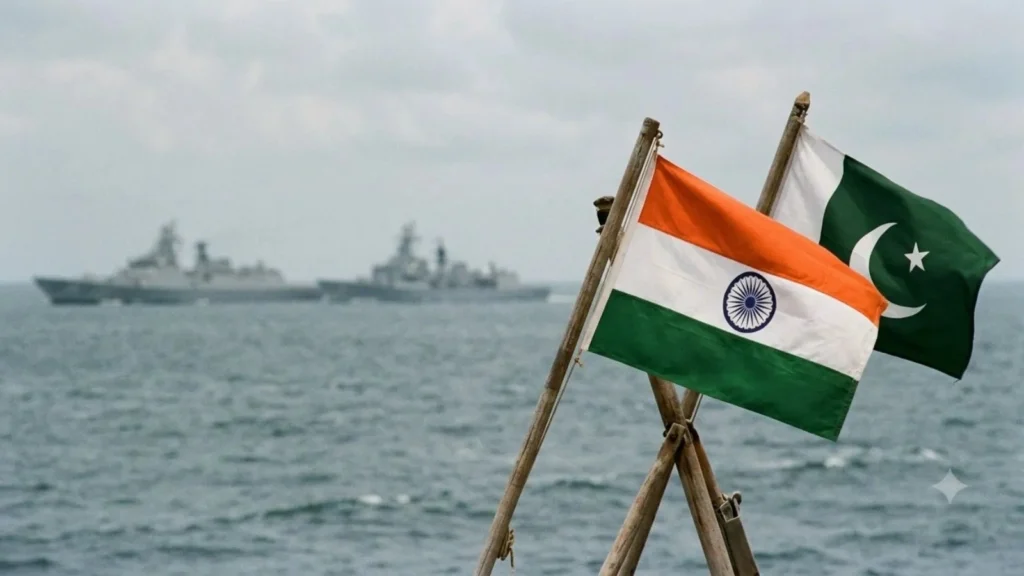
India’s current economic position is a case study in the risks of pursuing strategic autonomy in a world that now demands transactional compliance. India desires strategic autonomy, or in other words, it desires to make their independent decisions, such as purchasing oil in Russia, to ensure that energy prices remain low so as to benefit the 1.4 billion citizens. But to the US, it was perceived as disloyalty. Consequently, the US increased the taxes imposed on Indian goods to 50%.
India is currently in a double bind due to the new Iran tariffs. India conducts over 1.3 billion in trade with Iran, and this trade may now trigger additional US-imposed penalties. These excessive taxes are already damaging the Indian economy, costing it billions of dollars in exports and thousands of jobs. Although India claims that these punishments are unjustified, the US is exploiting them to compel India to alter its trade patterns.
The New Rules of Global Business
The trade shifts of 2025 and 2026 demonstrate that being a long-time ally of the US is no longer sufficient. Any country seeking a favourable agreement with Washington today must have hard currency at the negotiating table. The United States is redefining the principles of global engagement by rewarding maneuverability instead of long-standing institutional collaboration. Although this model assists the US in receiving what it wants in a brief period, it alters the way the world perceives American reliability. For now, the world must adapt to an era where yesterday’s friendly handshake can indeed turn into tomorrow’s trade war if the accounting of interests does not balance in the President’s favour.

Our Editorial Desk is the intellectual engine of Digital Debate, responsible for the rigorous research that anchors every conversation. Our team deep-dives into data, checks every source, and consults academic literature to move beyond headlines and identify the questions behind the questions.