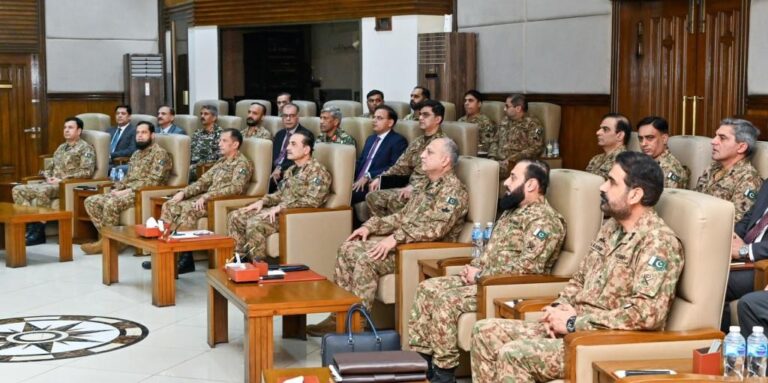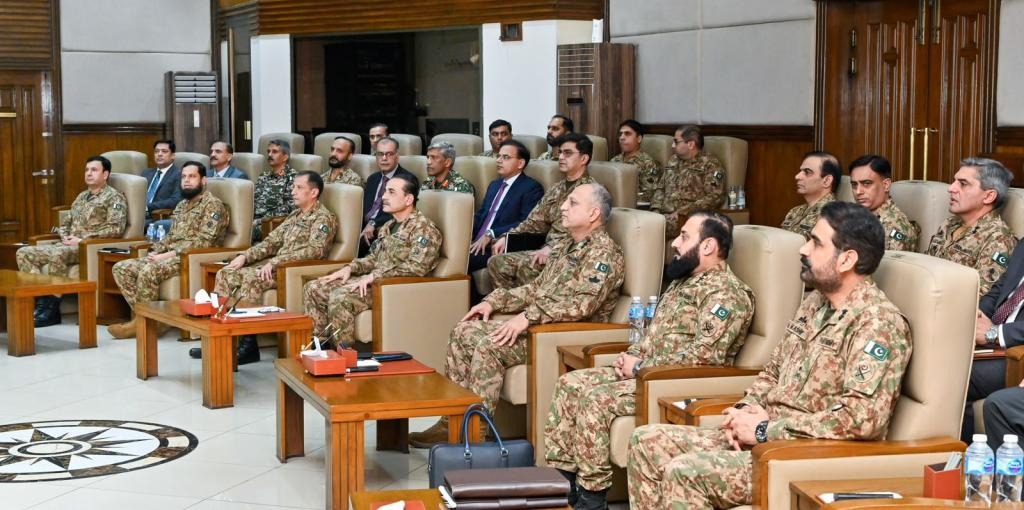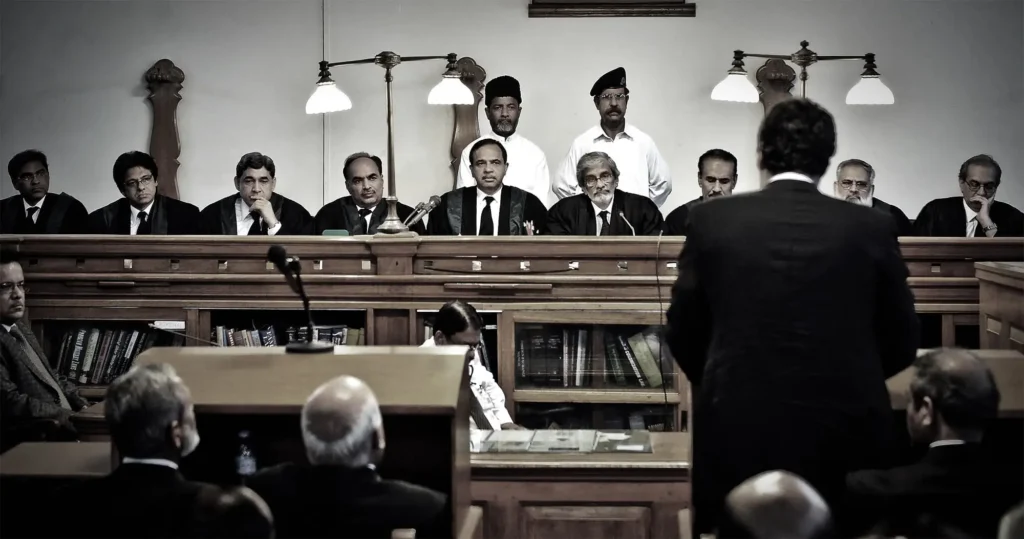
On December 16, Inter-Services Public Relations (ISPR) organized a high-level seminar in the National Defense University (NDU), titled “Debunking Myths in the Creation of Bangladesh”. The event hosted one of the most distinguished panels of experts, such as Senator Javed Jabbar, Senator Afrasiab Khattak, filmmaker Ayesha Ghazi, and Abdul Hameed Gul, to address the objective of reclaiming the Pakistani narrative. Over the decades, external actors, most notably India, have dominated the mainstream international narrative of the events of 1971, leading to a systemic marginalization of the Pakistani variant of the story. The seminar proved to be a vital platform for ensuring that Pakistan ceases to be a spectator of its own history, to be a narrator itself, so that the truth is no longer dictated by adversaries.
The Reality of Manufactured Narratives
The focal point of the discussion was that the mainstream international discourse of 1971 had been dominated by external forces, most prominently India, which had led to a systemic marginalization of the Pakistani version of the story. The screening of the documentary “71 Slaughterhouse” by Ayesha Ghazi followed by panel discussions, led to the conclusion that even though 1971 continues to become a time of intense national introspection, the myths of the number of troops involved, the nature of the fighting, and the purpose of foreign subversion should be disproved with historical facts to safeguard the integrity of the history of Pakistan.
Senator Javed Jabbar on Narrative Sovereignty
Senator Javed Jabbar emphasized the urgent need for Narrative Sovereignty. He argued that Pakistan needs to stop being a spectator of its own history and start being a narrator. He explained how the Dhaka fall was a twilight at dawn, a time of obscured reality when the radiance of a new state was obscured by a dark man-made reality. The discussion transcended the conventional political discourse to discuss the narrative that has characterized 1971 history over the last half-century.
Abdul Hameed Gul on Debunking the Myth of Three Million
Abdul Hameed Gul, in a historical analysis, touched upon one of the most persistent myths of the war, e.g. myth of three million. Although the figures of casualties and surrenders have been widely quoted in world history, Gul indicated that a review of military documents and history supports no such exaggerated figures. He clarified that these figures were employed as a weapon to discredit the state and its institutions, and it is a classic example of how data may be used as a weapon against political objectives.
Senator Afrasiab Khattak on the Continuity of Hybrid Warfare
Senator Afrasiab Khattak offered a strategic approach to the events of 1971 and related them to the security issues of today. He observed how the concept of hybrid warfare has persisted, citing the example of how India in 1971 supported separatist movements and attacked state institutions through the media to highlight that the same is being replicated in places like Balochistan. In his analysis, Khattak pointed out that the same enemies of 1971 are still the same enemies of today, and the strategies have been changed to suit a digital, globalized era.
The Valor of the Disenfranchised and Conclusion
The seminar highlighted the heroism of units like the Kalani army. The panel discussed how figures such as Brigadier Sahib Jeet fought until they were martyred, driven by their faith in the unity of Bengal and Pakistan, despite lacking ties to any central command. This highlights the silent voices that are usually lost in the bigger geopolitical discourse.
The session concluded with a consensus that December 16 should be a day of both mourning and intellectual mobilization. The panelists demanded that these debunked myths should be incorporated in national curricula and international diplomacy so that the Pakistani narrative could be finally told in the voice of Pakistan. The seminar was concluded by the reminder that the same enemies of 1971 are the enemies of today, and the only defense is a unified national narrative.

Our Editorial Desk is the intellectual engine of Digital Debate, responsible for the rigorous research that anchors every conversation. Our team deep-dives into data, checks every source, and consults academic literature to move beyond headlines and identify the questions behind the questions.