
Pakistan needs a funded plan to protect Gulf workers before prolonged fighting turns regional insecurity into lost wages, interrupted remittances and household distress.
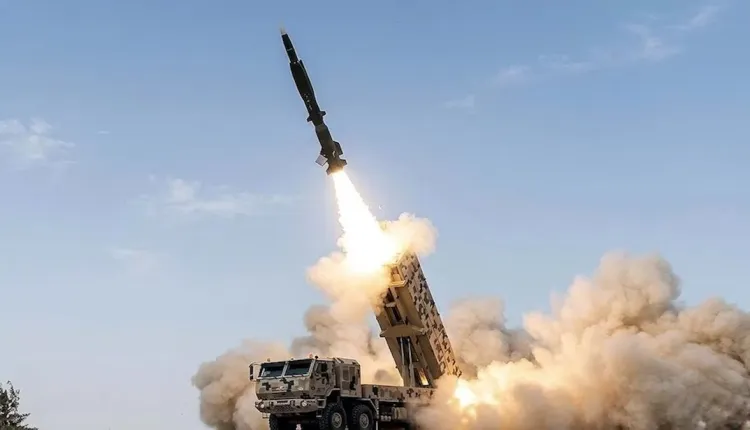
The latest Gulf strikes bring Pakistan’s exposure into sharper focus. Following the American strike on Iran’s Qeshm Island on 17 November, Iran’s army said it targeted Patriot systems at Kuwait’s Ali Al Salem air base. Kuwait and Bahrain reported interceptions. Separately, the Saudi-led coalition reported intercepting Houthi missiles and drones threatening Riyadh. ADNOC reported an attack on one of its vessels in Hormuz, leaving one crew member missing and eleven injured.
These incidents involve different actors. Their cumulative effect is to spread uncertainty across places where Pakistanis work, travel and support families. Intercepting a missile can prevent destruction. It cannot guarantee continued employment, uninterrupted transport or confidence that another working month will be safe.
Concentrated Exposure
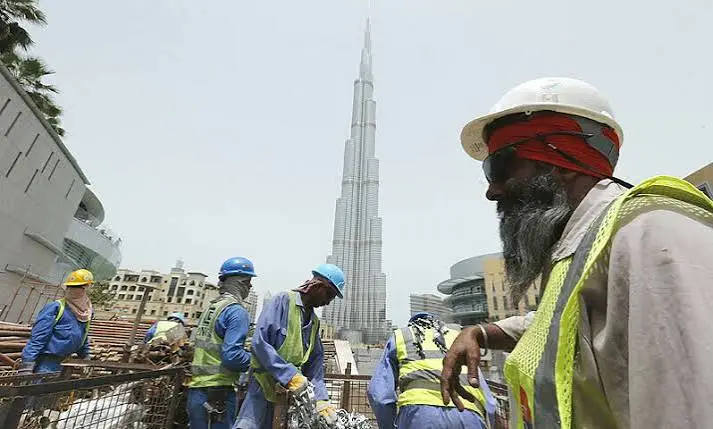
Pakistan’s dependence is measurable. A written parliamentary reply records that 1,707,625 of the 1,871,666 Pakistanis registered for overseas employment during 2024-26 went to six Gulf states: approximately 91%. This measures departures during that period, rather than the entire overseas Pakistani population.
National remittances reached $41.58 billion in FY2025-26, according to the government’s emigration policy announcement. That total includes transfers from destinations outside the Gulf. Nevertheless, the concentration of recent labour migration shows why regional instability carries consequences far beyond foreign policy.
The strategic problem is vulnerability through interdependence: Pakistan benefits from Gulf employment, but its ability to replace disrupted earnings quickly is limited. Workers spread across several neighbouring countries can remain exposed to the same conflict, transport disruption and investment slowdown.
Hidden Deterioration
The first warning may arrive before a wave of dismissals.
Employers can reduce overtime, delay recruitment, suspend projects or postpone wage payments while retaining workers. Families in Pakistan then receive less money even though employment contracts formally survive. Workers facing uncertainty may initially remit additional savings, temporarily supporting inflows while their own financial security deteriorates.
Minister for Overseas Pakistanis Chaudhry Salik Hussain’s parliamentary reply, reported in October, said no large-scale layoffs had been reported. It also warned that prolonged disruption could weaken recruitment, earnings and remittances. That assessment describes conditions at the time; it cannot establish that workers remain unaffected after renewed attacks.
Pakistan therefore needs indicators beyond monthly remittance totals: delayed salaries, recruitment cancellations, accommodation problems and requests for consular assistance. Aggregate financial resilience can conceal growing household distress.
Diplomacy Continues
Official responses show that military escalation and diplomatic contact are proceeding simultaneously.
Qatar’s Foreign Ministry condemned the attacks on Kuwait and Bahrain on 18 November and warned that continued escalation could undermine diplomatic efforts. Oman separately confirmed receiving a message from Iranian President Masoud Pezeshkian, delivered by Foreign Minister Abbas Araghchi on 17 November. Neither development establishes that a settlement is imminent.
Washington’s position also leaves room for prolonged pressure. Marco Rubio has defended economic coercion as an instrument against Tehran, while Donald Trump’s recent statements have left uncertainty about the next negotiating step. Islamabad should plan for continued disruption while supporting dialogue.
Protect Earnings
Pakistan’s immediate responsibility is to make protection operational.
Embassies and community welfare attachés should maintain accessible emergency contacts, identify vulnerable workers and coordinate with host authorities on shelter, transport and medical assistance. Employer engagement should prioritise wage continuity, lawful accommodation and protection against abandonment.
Workers also need clear guidance about contracts, residency and unpaid salaries. Leaving a job hurriedly can create additional legal and financial problems. Assistance must explain available choices in languages workers understand.
The government’s July emigration policy already promises stronger support systems, including a call centre, destination-country legal assistance and services for returning workers. Islamabad should publish which facilities are functioning, their capacity and how workers can reach them.
Prepare Returns
Evacuation planning should begin before departure becomes unavoidable. Planning does not require announcing a mass evacuation. It requires agreed triggers, transport options, funding and coordination with Gulf governments.
Priority arrangements should cover injured workers, people without employer support and those facing immediate danger. Any return programme must also address what happens after arrival: outstanding wages, recruitment debt, temporary income support and access to employment.
DD’s earlier examination of Pakistan’s $387 million Gulf export shortfall traced disruption through trade. Labour insecurity would create another transmission channel, reaching households through earnings and the wider economy through foreign-exchange receipts.
Human Security
Over the next 6 to 12 months, Pakistan should assess how sustained disruption could affect household spending, the current account and reserve accumulation. Scenarios should guide contingency funding, without presenting uncertain losses as forecasts.
Islamabad’s mediation efforts and its worker-protection responsibilities belong within the same strategy. Cooperation with Qatar, Oman, Saudi Arabia and other partners should support de-escalation alongside practical consular arrangements.
Pakistanis in the Gulf are citizens whose safety and livelihoods require protection. A credible policy will be measured by whether a worker can obtain help, recover wages and return safely—and whether the family relying on that income can withstand the interruption.

Our News Desk represents a rapidly expanding frontier in contemporary journalism, focusing on the intersection of technological advancement, geopolitical narratives, and the shifting dynamics of public information.