The United States has ordered nonemergency embassy staff and their families to leave Saudi Arabia, citing rising security risks. The embassy remains open, but the order is a serious signal. Governments send diplomatic families home only when threat assessments point to real danger and conditions could worsen quickly.
The order follows a sharp increase in attacks on Saudi airports and energy sites, widely blamed on Yemen’s Houthis, who are aligned with Iran. Since early October, strikes on airports in Riyadh, Abha and Dammam have killed at least 20 people and injured more than 370. The attacks come nearly eight months into a wider war involving Iran, which began with US and Israeli strikes on February 28.
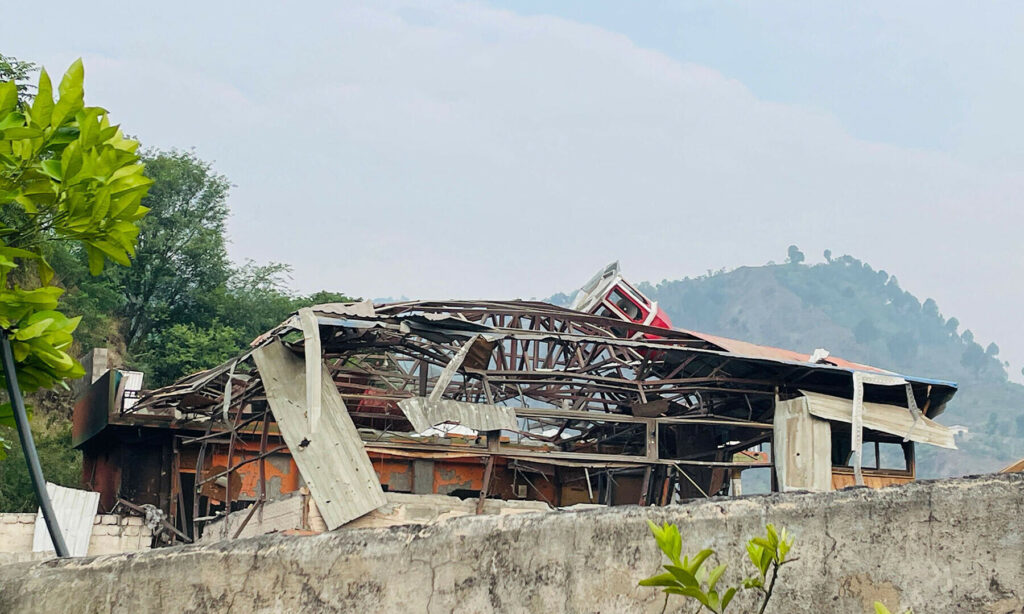
On Wednesday, an attack on King Fahd International Airport in Dammam killed one person and injured eight, according to Saudi civil aviation authorities. Saudi officials have not named the attacker, and the Houthis have not commented, though they are the main suspects. On the same day, Saudi air defences intercepted a drone aimed at Aramco’s Shaybah oilfield. Falling debris killed two people and injured two, but oil operations were unaffected.
Energy markets reacted quickly. Brent crude rose above $110 a barrel on Thursday. Shaybah produces about one million barrels a day, so even a near miss unsettles traders. The Red Sea also matters more this year. Saudi Arabia has relied on its East West pipeline to ship crude from the port of Yanbu while traffic through the Strait of Hormuz has been disrupted, and the Houthis have claimed attacks on Saudi tankers in the Red Sea since the summer.
Pakistan feels the effects directly. It imports much of its energy, so higher crude prices raise transport, electricity and factory costs within weeks. A sustained rise widens the trade deficit, drains foreign exchange reserves and makes inflation harder to control.
Millions of Pakistanis also work in Saudi Arabia, and their remittances support families at home. Attacks on airports threaten flight schedules, job security and travel safety. The commentary argues that Islamabad should publish clear safety guidance for workers, keep a working helpline, check fuel stock levels and arrange backup supply contracts before prices climb further. It also calls for targeted support for low income households rather than blanket subsidies.
Families with relatives in Saudi Arabia should keep passports and residence documents within reach, know the location of the nearest Pakistani mission and follow Saudi civil defence alerts.
Pakistan keeps close ties with Riyadh and working relations with Tehran. That position suits a country that wants to avoid inflammatory language and push for talks. The larger danger is miscalculation, since strikes on civilian sites invite retaliation that can pull in other states.

Our News Desk represents a rapidly expanding frontier in contemporary journalism, focusing on the intersection of technological advancement, geopolitical narratives, and the shifting dynamics of public information.