
The federal government has defended its decision to buy 45 bulletproof vehicles for the SCO Summit 2027 in Islamabad. The Shanghai Cooperation Organisation (SCO) Council of Heads of State Summit will be held between August and September 2027.
The government says the purchase is necessary to meet international security protocols for one of Pakistan’s most important diplomatic gatherings in decades.
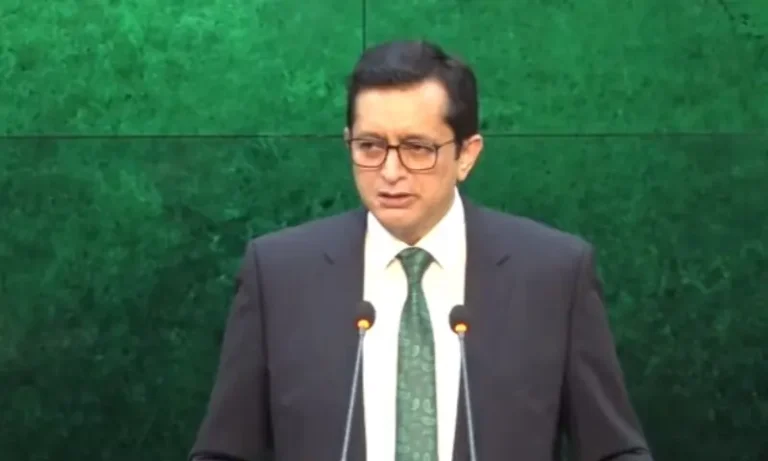
A Cabinet Division statement, shared by Defence Minister Khawaja Asif, says Prime Minister Shehbaz Sharif approved 45 armoured vehicles, down from an initial demand of 65. The approval followed reviews by the deputy prime minister and the ministries of foreign affairs and interior.
The fleet will cost an estimated Rs 9.6 billion. That covers 30 Mercedes Maybach S680 Guard (VR10) sedans, approved earlier at Rs 6.60 billion, and 15 BMW 760i xDrive (VR9) sedans, cleared through a Rs 3.00 billion technical supplementary grant.
The government calls the purchase a “bare minimum” requirement based on threat assessments. It says visiting heads of state and government must travel securely given Pakistan’s security environment, which it says includes risks from hostile external elements.
Officials say most of the Cabinet Division’s existing armoured vehicles are 2016 models and do not meet the standard expected for a summit of this size.
They compare its importance to the 1974 OIC Summit in Lahore. The government will also rent about 300 unarmoured vehicles for wider logistics, so the bulletproof cars are only one part of the transport plan.
The decision has drawn sharp criticism from opposition figures and parts of the public. Former senator Mushahid Hussain Sayed questioned why Rs 9.6 billion should go to luxury armoured limousines for a small number of visiting leaders while Pakistan faces serious terrorism challenges.
He pointed to the country’s ranking on the Global Terrorism Index. Former Sindh governor Mohammad Zubair Umar and leaders of the Pakistan Tehreek e Insaf (PTI) also condemned the purchase, and many citizens called it badly timed given the economic pressure on households.
The Cabinet Division rejected the criticism as “sceptical and unwarranted.” It urged critics not to trivialise or politicise the summit and asked citizens to see hosting it as a national honour that requires international standards.

Our News Desk represents a rapidly expanding frontier in contemporary journalism, focusing on the intersection of technological advancement, geopolitical narratives, and the shifting dynamics of public information.