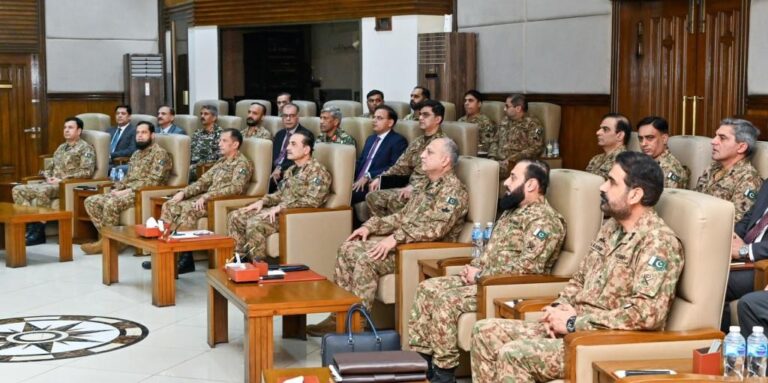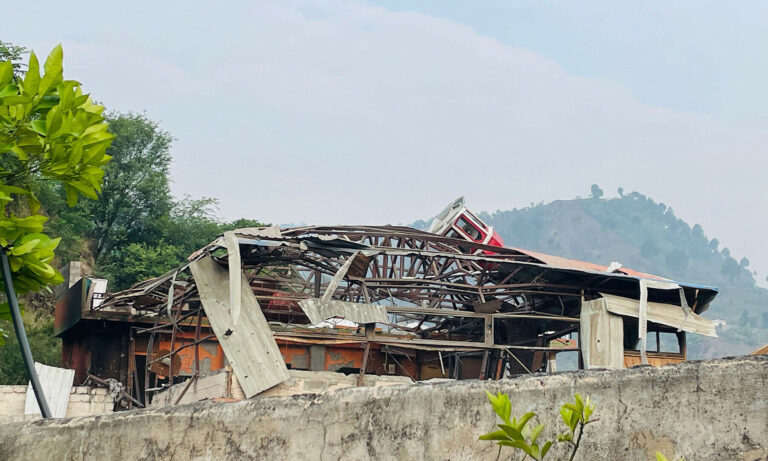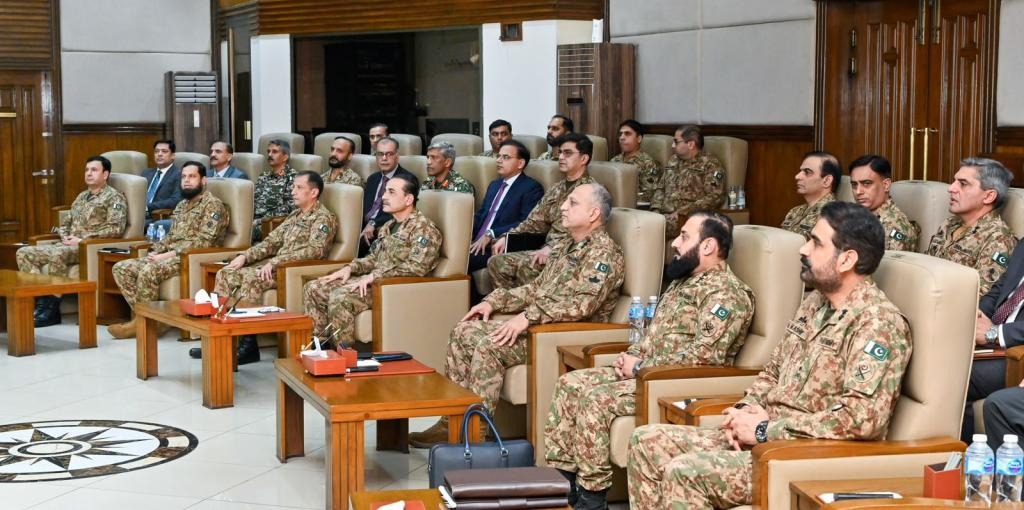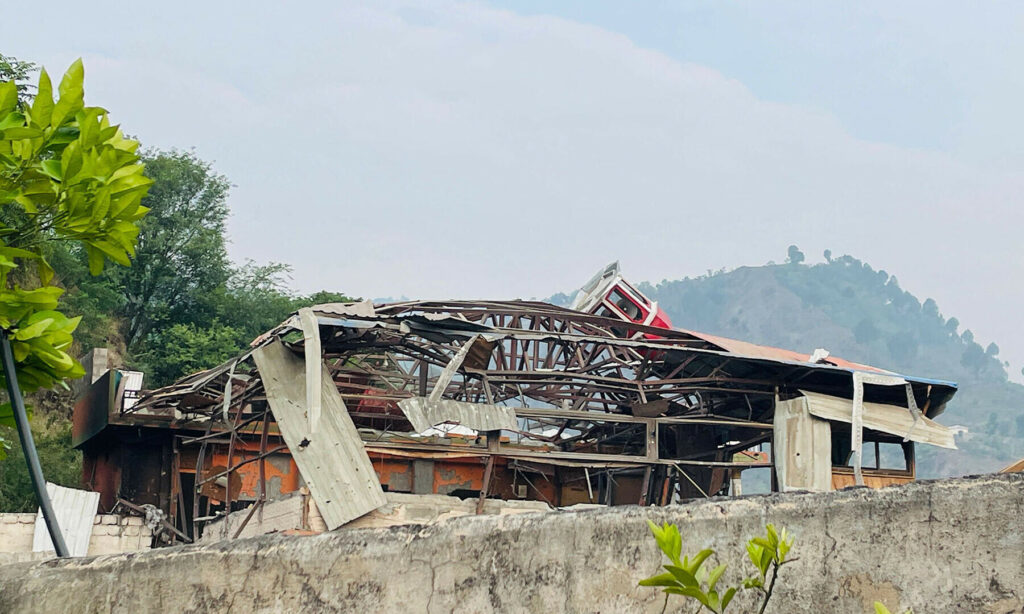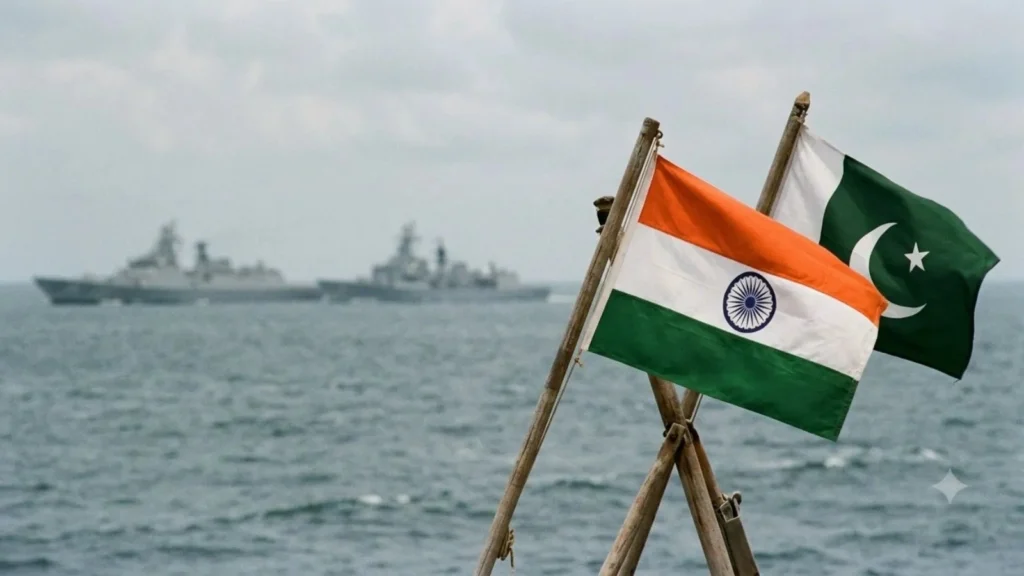
Every year on September 6, Pakistan commemorates Defence Day, a solemn yet proud occasion that honours the valour of its armed forces and the resilience of its people. It is a day etched in national memory, born of the 1965 war with India, when Pakistan’s soldiers, airmen, and sailors stood as a wall of steel against aggression. Yet Defence Day is not merely a remembrance of one war. It is a continuum of Pakistan’s military and diplomatic journey, marked by milestones such as Operation Swift Retort in 2019, the decisive Maarka -e-Haq in 2025, and the historic Makkah Defence Pact. Together, these episodes narrate a story of resolve, sacrifice, and strategic foresight—a story that defines Pakistan’s destiny.
1965: The Genesis of Defence Day
The 1965 war was a crucible in which Pakistan’s national spirit was tested. India’s attempt to breach Pakistan’s defences in Lahore and Sialkot was met with extraordinary courage. The Pakistan Army, supported by the Air Force’s daring sorties, repelled the offensive, turning what was meant to be a swift victory for India into a stalemate. The war gave birth to Defence Day, celebrated not as a triumph of arms alone but as a testament to unity.
The image of Major Aziz Bhatti holding his ground at the BRB Canal, the roar of Sabre jets over Sargodha, and the resilience of civilians who stood shoulder to shoulder with soldiers, all became part of Pakistan’s collective memory. Defence Day thus symbolizes the principle that sovereignty is safeguarded not only by weapons but by the will of a people determined to defend their homeland.
1971: Trials and Tribulations
No account of Pakistan’s defence history can omit the painful chapter of 1971. The war that led to the dismemberment of the country was a moment of profound trial. Pakistan faced not only external aggression but internal fissures, exploited by adversaries. The loss of East Pakistan was a national tragedy, yet it also became a lesson in resilience. From the ashes of 1971, Pakistan rebuilt its armed forces, restructured its defence doctrine, and vowed never again to allow disunity to weaken its sovereignty. Defence Day thus also commemorates the trials endured, reminding the nation that sacrifice and vigilance are the price of survival.
Operation Swift Retort, 2019: Precision and Deterrence
Fast forward to February 2019. In the aftermath of the Pulwama incident, India launched airstrikes on Balakot, claiming to target terrorist camps. Pakistan’s response was measured yet decisive. Operation Swift Retort demonstrated the professionalism of the Pakistan Air Force. In broad daylight, Pakistani jets crossed the Line of Control, locked onto military targets, and released payloads with precision, deliberately avoiding civilian casualties.
The operation culminated in the downing of two Indian aircraft, including the capture of Wing Commander Abhinandan Varthaman. The episode was not just a tactical success; it was a strategic message. Pakistan showed that it could calibrate force with restraint, delivering deterrence without escalation. Swift Retort reaffirmed the credibility of Pakistan’s defence doctrine, rooted in readiness and proportionality.
Maarka-e-Haq, 2025: Vindication of Resolve
The defining moment of Pakistan’s recent military history came in 2025, when India once again sought to impose its will through aggression. The ensuing conflict, remembered as Maarka-e-Haq (The Battle of Truth), tested Pakistan’s endurance and unity. Unlike 1965, this was a technologically complex war, fought with drones, cyber operations, and precision weaponry. Yet the essence remained the same: the defence of sovereignty.
Pakistan’s armed forces displayed operational brilliance, integrating conventional and unconventional tactics. The victory was resounding, restoring national confidence and dispelling doubts about Pakistan’s preparedness. Maarka-e-Haq became a vindication of truth, not only in the battlefield sense but in the moral conviction that Pakistan’s cause was just. Defence Day since 2025 carries an added resonance: it is not only a commemoration of past sacrifices but a celebration of renewed triumph.
Nuclear Capability: The Bedrock of Deterrence
Underlying these victories is Pakistan’s nuclear capability, tested in 1998. Born of necessity in the shadow of regional rivalries, the nuclear program remains the cornerstone of Pakistan’s defence doctrine. It ensures strategic parity, deterring aggression and enabling Islamabad to negotiate from a position of strength.
On Defence Day, nuclear capability stands as a reminder that freedom must be safeguarded not only by ideals but by credible deterrence. It is the silent guardian of sovereignty, ensuring that Pakistan will never again be coerced or marginalized in South Asia’s security calculus.
The War on Terror: A Different Battlefield
In the early 21st century, Pakistan faced another trial: the war on terror. Unlike conventional wars, this was a conflict fought within cities, mountains, and tribal areas against an elusive enemy. Pakistan’s armed forces, police, and civilians bore immense sacrifices. Thousands of lives were lost, yet the nation persevered. Operations such as Zarb-e-Azb and Raddul-Fasaad dismantled terrorist networks, restoring stability and reaffirming Pakistan’s resolve to protect its people.
Defence Day also honours these sacrifices, reminding us that the defence of Pakistan is not only against external aggression but also against internal threats that seek to undermine its sovereignty and peace.
Diplomacy and Mediation: From Iran–US Talks to Makkah Pact
Equally significant is Pakistan’s diplomatic evolution. Once viewed as a peripheral player, Islamabad has emerged as a credible mediator in global crises. Its role in brokering dialogue between Iran and the United States was a watershed moment. By facilitating backchannel talks and confidence building measures, Pakistan demonstrated that its strategic geography and historical ties could be leveraged for peace, not just power.
This diplomatic success was not incidental; it was the progenitor of the Makkah Defence Pact. Signed in Islam’s holiest city, the pact embodies a new chapter in Muslim solidarity and collective security, with Pakistan at its heart.
The Makkah Defence Pact: Promise and Responsibility
The Pact itself is historic in symbolism and substance. It transcends transactional alliances, embodying a spiritual and strategic convergence between Pakistan, Saudi Arabia, and Turkey. For Pakistan, it offers multiple dividends: enhanced defence cooperation, access to advanced technologies, and a platform to shape regional security architecture.
Yet it also imposes responsibilities. Collective defence means collective risk. Pakistan must balance solidarity with prudence, ensuring that its commitments do not embroil it in conflicts that undermine stability. The Pact is both a promise and a test—of Pakistan’s ability to harmonize military strength with diplomatic wisdom.
Defence Day in Context
Against this backdrop, Defence Day is not merely a ritual of parades and speeches. It is a moment of reflection: on the sacrifices of 1965, the trials of 1971, the precision of Swift Retort, the vindication of Maarka-e-Haq, the triumph of nuclear deterrence, the sacrifices in the war on terror, and the pride of diplomatic breakthroughs. It is also a moment of renewal, as Pakistan positions itself at the nexus of Muslim solidarity through the Makkah Pact.
The flag raised on September 6 thus symbolizes not only past struggles but future aspirations, a Pakistan that is secure, respected, and indispensable in shaping regional peace.
Cultural Resonance: Songs of Sacrifice
Defence Day is also enriched by cultural expressions that inspire patriotism. Among them is the motivational song Mujahedeen-e-Aflak, which this scribe produced, carrying the immortal line: “Shaheed ki jo maut hai, woh qaum ki hayat hai” (The martyr’s death is the nation’s life). Such verses remind us that sacrifice is not in vain; it breathes vitality into the nation, ensuring that the blood of martyrs nourishes the tree of freedom.
Challenges Ahead
Yet celebration must be tempered with realism. Pakistan faces economic vulnerabilities, political contestations, and the perennial challenge of balancing external commitments with domestic priorities. The Makkah Pact, while promising, could expose Islamabad to entanglements if not managed judiciously. Similarly, diplomatic mediation requires sustained credibility; Pakistan must avoid partisanship and maintain neutrality to retain trust.
Defence Day, therefore, is also a reminder that freedom is not static, it must be nurtured through vigilance, reform, and foresight.
Conclusion
From the trenches of 1965 to the trials of 1971, from the skies of 2019 to the digital battlefield of 2025, from the war on terror to the diplomatic corridors of Makkah, Pakistan’s journey has been arduous yet inspiring. Defence Day is not merely a commemoration of past wars; it is a declaration of resolve.
The green crescent flag, raised high, proclaims that Pakistan’s independence and sovereignty are not merely preserved, they are renewed, redefined, and reinforced for the challenges of tomorrow.