
A new report from the United Nations Assistance Mission in Afghanistan (UNAMA) puts numbers on something Afghans have lived with for two generations: war doesn’t end when the fighting stops. Released this week, Left Behind: The Rights of Victims in the Aftermath of Decades of Armed Conflict in Afghanistan draws on interviews with 195 victims of armed conflict and their relatives. It documents a population still dealing with a war that formally ended when the Taliban retook power on 15 August 2021.
Ninety-five percent of those interviewed reported lasting emotional or psychological harm. Fifty-eight percent suffered physical harm, much of it chronic. More than half never tried to seek redress, because they didn’t believe anyone would listen or because they feared what asking might cost them.
These numbers are specific, but the pattern behind them isn’t new. Between January 2009 and August 2021, UNAMA documented more than 40,000 civilians killed and more than 77,000 wounded in the conflict. This new report doesn’t count bodies; it measures what happens to the people left behind once the counting stops, and it finds almost no institutional support in place to help them.
What the Data Shows
The most striking finding isn’t the scale of harm, but how long it lasts. The report treats trauma symptoms, chronic pain, and acquired disabilities as ongoing conditions, not old injuries, and that distinction matters for policy. Emergency relief won’t reach a population whose needs run decades deep and keep compounding: lost income, interrupted schooling, children pulled out of class to work, and widows who can’t legally hold jobs because of restrictions imposed by the Taliban’s de facto authorities.
The justice numbers carry equal weight. Fifty-five percent of victims never attempted to seek compensation or redress. Of those who did, 64 percent describe the effort as unsuccessful. They cite bureaucratic obstacles, unresponsive institutions, and a sense of discrimination. The obstacle runs deeper than access: it’s a governance environment where formal redress mechanisms either don’t function or were never built to include people like them.
When asked what they actually need, 81 percent of victims named financial compensation, 48 percent named access to justice, and 47 percent asked for guarantees the violations won’t happen again. These are the standard components of transitional justice, and Afghanistan currently has almost none of them in operation.
Responsibility Is Shared, Not Singular
It would be a mistake to read this report as an indictment of one actor. Responsibility for Afghanistan’s unaddressed victim population is layered. The Taliban’s de facto authorities control the territory and the institutions that would need to deliver redress, and their restrictions on women’s employment are actively deepening the economic harm the report documents.
That’s a present-day policy choice, separate from the harm caused by the war itself. At the same time, international actors, including the former Afghan government’s international backers and coalition members involved in operations before 2021, carry responsibility tied to the conduct of the war, particularly where harm was inflicted directly.
The report’s framing, which calls on “all parties with responsibilities arising from the conflict” to support accountability, is deliberately broad. UNAMA isn’t positioned to adjudicate individual blame. It’s documenting a gap and asking who will fill it.
Security and Humanitarian Needs Are Tied Together
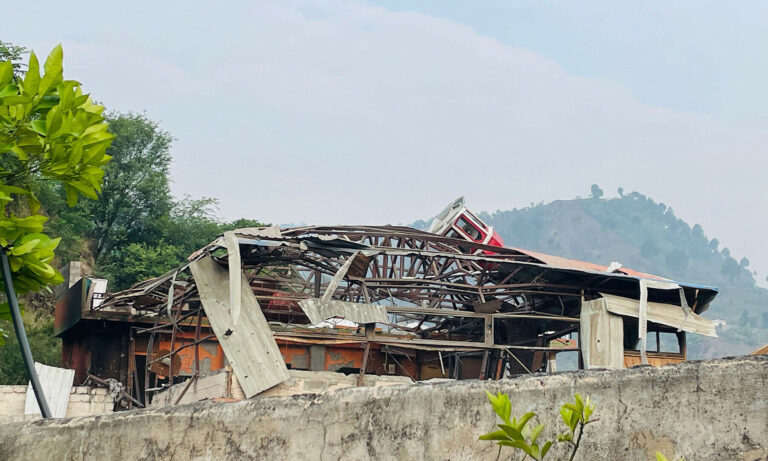
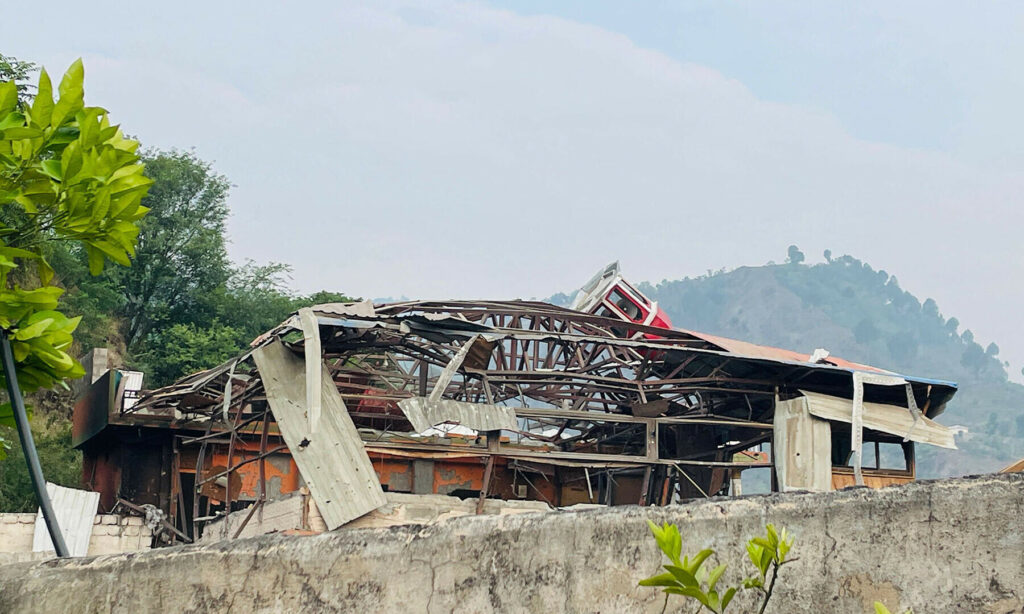
This report also lands at a moment when new civilian harm is piling onto old, unresolved harm in real time. Cross-border clashes between Pakistan and Afghanistan’s de facto authorities have produced fresh civilian casualties through 2026, including incidents UNAMA has flagged as raising serious questions under international humanitarian law.
A victim-assistance framework built only around 2001 to 2021 risks going out of date before anyone implements it. The same structural failures show up in how the current conflict is being handled: weak accountability, limited access to justice, and authorities with little interest in acknowledging harm to civilians.
What Happens Next
UNAMA’s recommendations probably won’t be adopted quickly, if at all. The de facto authorities have shown little appetite for victim-centered governance, and the report’s central ask, acknowledgment of harm, is politically costly for any party that would have to make it.
Still, the report is useful because it reframes the problem. Afghanistan’s conflict legacy isn’t a historical accounting exercise. It’s a live governance failure with measurable, present-day consequences: untreated disability, interrupted education, and a justice system most victims have given up on.
For international donors, the practical takeaway is narrower than the report’s full scope. Humanitarian aid that ignores what victims say they actually need, compensation and working justice mechanisms, will keep missing the population it’s meant to serve.
For the de facto authorities, the report is a direct challenge they can absorb, dispute, or ignore, but they can’t undo what it documents. Either way, the 40,000 documented deaths and tens of thousands of survivors in this report remain unresolved, and closing that gap will take acknowledgment as much as aid.