Moody’s did something on Monday that would have sounded far-fetched three years ago: it moved Pakistan out of the “Caa” bracket altogether. The country’s sovereign rating now stands at B3, up from Caa1, with a stable outlook attached. For a country that was staring down default in 2023, this is a genuine milestone, and a sign that the hard work of the last three years is starting to pay off.
How We Got Here
The climb has been slow and deliberate. In February 2023, Pakistan was sitting at Caa3, the point where default risk was at its peak and reserves had all but dried up. By August 2024, a staff-level IMF deal pulled the rating up to Caa2. A year later, in August 2025, improving reserves and a widening tax base earned another notch, to Caa1. Now, in August 2026, B3. Four upgrades in about three and a half years is not a small thing for an economy that was, not too long ago, being talked about in the same breath as a sovereign default.
The reserves number tells the story most clearly. Pakistan closed July 2026 with roughly $17 billion in foreign exchange reserves, up from $14 billion a year earlier, enough now to cover close to three months of imports. Moody’s own stress metric, which measures short and long-term debt due against the reserves on hand, has eased from 230% in 2025 to about 145% this year.
Debt servicing has also become less brutal. Interest payments ate up about 49% of government revenue in fiscal 2025. That figure has come down to roughly 35% in fiscal 2026, mostly because domestic interest rates have fallen alongside inflation. Pakistan has also managed to get back into international capital markets, a $750 million Eurobond in April and a debut Panda bond in China’s onshore market in May, which matters because it shows lenders are once again willing to take a bet on the country, not just multilateral institutions bailing it out.
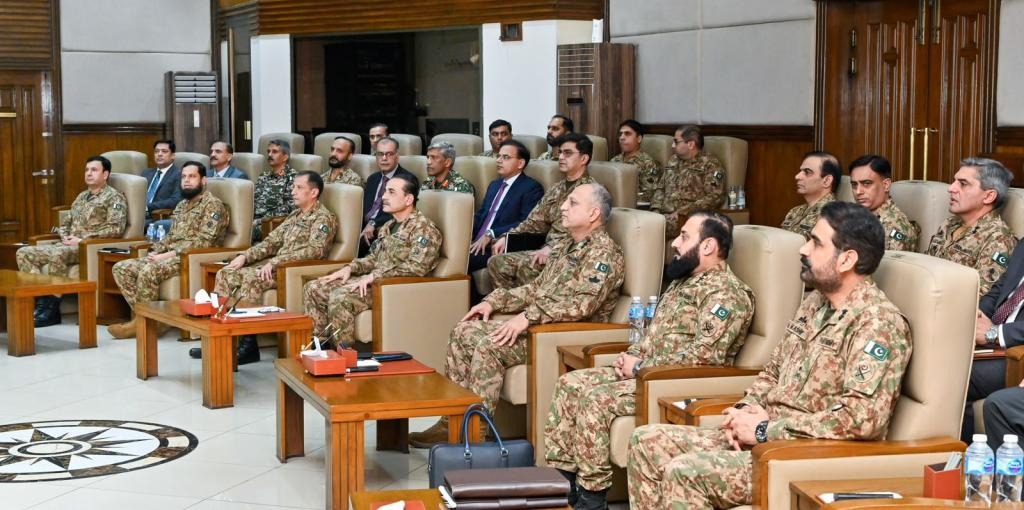
Islamabad has reacted the way you’d expect. Prime Minister Shehbaz Sharif credited the economic team, naming Deputy PM Ishaq Dar and Chief of Defence Forces Asim Munir, and framed the upgrade as proof that “global confidence” in the government’s reform path is growing.
Why This Is a Big Deal
This isn’t just a symbolic rating change. Pakistan’s dollar bonds gained on the news, with the note maturing in 2051 posting its biggest jump in days. That’s real money reacting in real time, investors pricing in less risk than they did a week ago.
Moody’s isn’t the only agency taking notice, either. S&P Global also upgraded Pakistan’s sovereign rating back in July, citing the same improving economic and financial conditions. Two major agencies moving in the same direction within weeks of each other is a strong signal that this isn’t a one-time judgment call, it’s a recognized trend.
What makes the upgrade even more notable is the context. Moody’s specifically flagged that Pakistan’s credit profile is showing greater resilience to external shocks than in previous cycles, including the ongoing Middle East conflict and the oil-price pressure that comes with it. A few years ago, a shock like that could have knocked the economy off course entirely. This time, the buffers held.
And the outlook keeps pointing up. Moody’s projects reserves will climb further, to about $19–20 billion by the end of fiscal 2027 and $20–21 billion by fiscal 2028, provided the government stays the course on reforms. That’s the kind of forward-looking confidence that tends to attract further investment and cheaper financing down the line.
Four ratings upgrades in under four years, from the depths of Caa3 in 2023 to B3 today, is a genuine turnaround story. Reserves have grown, debt has become more affordable, market access has reopened, and two of the world’s most cautious institutions are now saying the same thing: Pakistan’s economic management is working. That’s worth recognizing.

Our Editorial Desk is the intellectual engine of Digital Debate, responsible for the rigorous research that anchors every conversation. Our team deep-dives into data, checks every source, and consults academic literature to move beyond headlines and identify the questions behind the questions.