When the Afghan Taliban took Kabul in August 2021, a specific calculation was being made in Islamabad: the war ends there, and it ends here. That’s been proven to be incorrect five years later at the greatest possible financial cost. The war wasn’t over in Pakistan. It intensified. Twelve rounds of negotiations between Pakistan and Afghanistan have produced nothing. The security situation has worsened. And a new actor is methodically filling every space Pakistan vacates. That actor is India. And it does not like the Afghan Taliban either, but it opened an embassy, nonetheless.
It’s easier to blame Kabul. It is also the incomplete one. In the early period, both governments made mistakes; those mistakes established the path for all that was to follow. Pakistan’s initial concern was well-founded. When the Taliban took power, they broke open jails. The Pakistani militants’ fighters walked out with their weapons and networks intact. The Pakistani intelligence officers reached Kabul early to raise the issue directly. The message was loud and clear: the violence of Afghanistan will spread into Pakistan unless these groups are controlled.
The Afghan Taliban’s response was to suggest negotiations. Pakistan agreed and negotiated on their behalf with the TTP. Those negotiations collapsed. The reason why they collapsed is instructive because TTP demands were not the demands of a group that wanted a political settlement. These were demands made by a group to change constitutional arrangements, annul the merger of FATA, and undo the concessions which the Pakistani state could not, legally and politically, afford to give.
The deeper failure was structural. Afghan Taliban were treated as partners who could secure Pakistan. The Afghan Taliban were never in a position to deliver. Their own internal architecture was not designed for state-level accountability. All commanders were independent. There were factional relationships with militant networks. Expecting Kabul to issue an order and the TTP to obey was an incorrect interpretation of how the Taliban operate.
What Kabul Is Not Doing and Why
The Afghan Taliban claim full territorial control over a country of 40 million people across 34 provinces. That is not compatible with the facts recorded in the reports of the UN Security Council, which show that more than 20 active terrorist organizations are operating in Afghanistan, such as ISKP, TTP, Turkestan Islamic Party, Islamic Movement of Uzbekistan and remnants of Al-Qaeda.
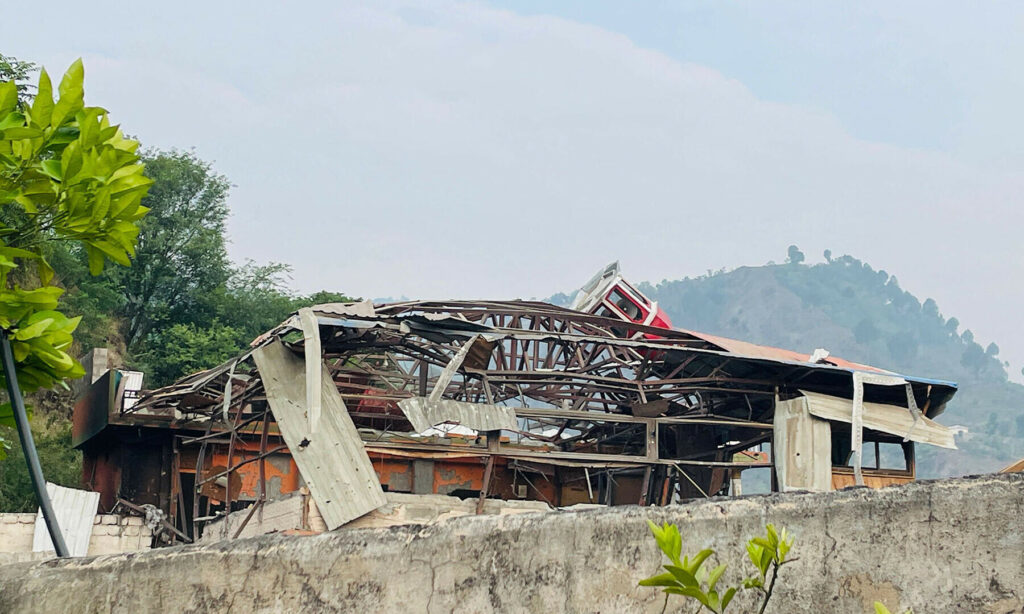
Twelve rounds of negotiation have led to promises; they have not produced action. Pakistan’s main demands are specific: arrest the commanders of TTP, send them to detention, disarm them and repel the presence of their forces from the Pakistani border. These demands have been acknowledged by Afghan interlocutors in closed sessions. They have not yet been put in place. The result on the ground is visible. In Balochistan alone, nine police personnel were abducted and killed in a single incident, their bodies disposed of without ceremony. These are not random occurrences. They are a pattern. And the trend is worsening, rather than improving.
The Taliban have their own explanation: they fought the Americans for twenty years precisely because they opposed external pressure on their internal affairs. Accepting Pakistani demands to act against groups they consider fellow travelers requires them to apply the same logic to themselves that they resisted from the United States. It is psychologically and politically unsustainable for sections of the Taliban leadership. The result is paralysis dressed as principle.
India Moves In
Indian engagement in Afghanistan needs to be carefully analyzed, since it is a path that is frequently misunderstood. India was not a supporter of the Afghan Taliban. It spent 20 years investing in the Ashraf Ghani government and in the larger democratic process in Afghanistan. When the Taliban took Kabul, India shut its embassy. For a year, India had no formal presence in Afghanistan. The Taliban were exactly what India had been fighting for two decades. Then the calculation changed.
In July 2022, a small technical team was dispatched to Kabul from India. The embassy reopened. Consulates in Mumbai and Hyderabad received representatives of the Afghan Taliban. International trade networks are being re-established. This was not a change of heart. It was a strategic shift as India realized that the estranged relationship between the Afghan Taliban and Pakistan provides an opportunity that it cannot afford to miss.
The Indian presence in Afghanistan enabled India to fund Afghan elements against Pakistan at various times in the past. That infrastructure exists. India’s efforts to destabilize Pakistan’s western frontier, either by direct assistance to Baloch separatist groups, whose own members have confirmed, or by proxy through the Afghan Taliban, for whom financing and facilitating Pakistani separatist activities is a well-documented practice, is well-known and consistent.
For years, India has wanted this: to create a wedge between Pakistan and the Taliban, to make Pakistan’s strategic depth in Afghanistan a liability, not an asset. Pakistan leaving its space in Afghanistan empty guarantees that someone else fills it. That someone is already there.
The Taliban’s Governance Failure
Five years in, the Afghan Taliban face challenges they did not fully anticipate and have not adequately addressed. The nation is in extreme economic stress. Taxes have been imposed on small businesses for the first time, including toll plazas on roads where none existed before. The currency is unstable. Foreign reserves are low. The $9 billion in Afghan assets frozen by the United States has not been released, despite consistent advocacy from Pakistan on Kabul’s behalf at international forums.
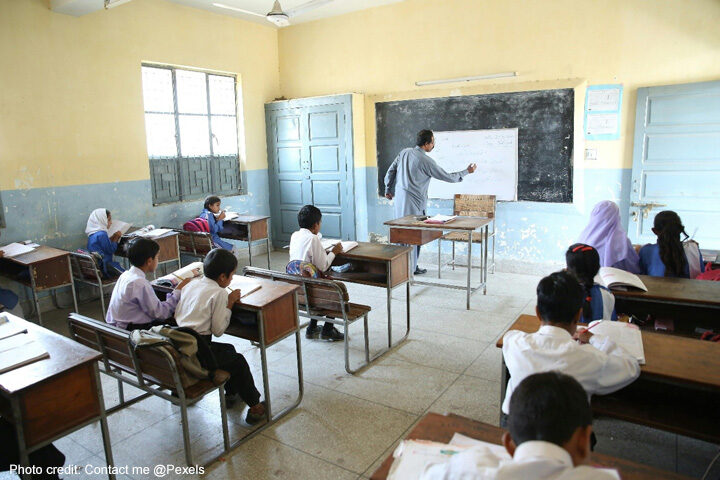
The situation is grim on human rights. Girls are denied admission into the university. An estimated 20 million children who were in school are now at home. The fifth year of university results for girls in professional colleges have come and gone without women being allowed to sit the examinations. Media operates under severe restrictions. These issues have cost the Taliban any prospect of international recognition beyond Russia and limited engagement from regional states acting on purely transactional grounds.
Russia recognized the Taliban not out of affection but because its own security calculus in Central Asia required engagement with whoever controls Afghan territory. China maintains dialogue for the same reason. Both countries have a hidden agenda. Both are managing a problem.
In response to governance problems, the Taliban have adopted a more restrictive approach, focusing on increased control rather than expanded participation. Their own argument is that people supported them during twenty years of fighting. That is true. The popularity of a resistance movement is no guarantee of the popularity of an administrative government that denies women the right to education, imposes new taxes, and provides no working public services.
What Must Change
For the future, it is necessary to understand what is not working. As the talks are currently conducted, there is no mechanism for enforcement, which means that they are not working. Pakistan asks. Kabul acknowledges. Nothing happens. The only structure with any possibility of effectiveness is one that correlates diplomatic action with tangible security results and has a repercussion system for non-compliance.
It is also important for Pakistan not to shy away from its relationship with Afghanistan because it is not working out for them. Reducing Pakistan’s presence gives India more room. That trade-off is not in Pakistan’s interest regardless of how difficult the Taliban are to deal with. The Taliban hear the same message from every regional power, whether it is Russia, China, Iran or Pakistan, including through the Moscow Format: You are now a government. The resistance phase is over. Governance norms apply. The key question is whether Kabul is listening. The answer after five years isn’t promising.
The war that should have been won in Kabul is being continued in Peshawar, Quetta, and the hills of Khyber Pakhtunkhwa. Until the Taliban make a genuine choice about which side of that war they are on, the talks will continue producing nothing, and the bodies will continue being found.

Tahir Khan is an Islamabad-based senior journalist and expert on Afghan affairs, Taliban dynamics, and counter-terrorism. A veteran correspondent for Dawn News and Voice of America, he regularly contributes commentary on South Asian security, regional trade, and border management.