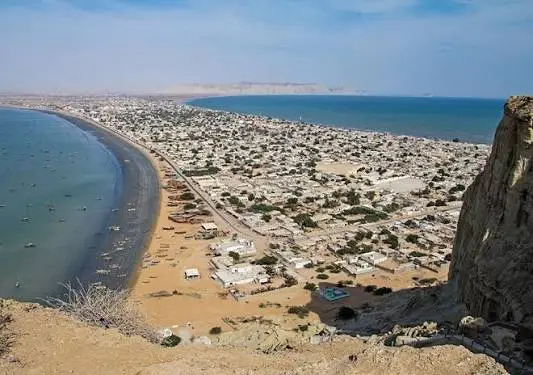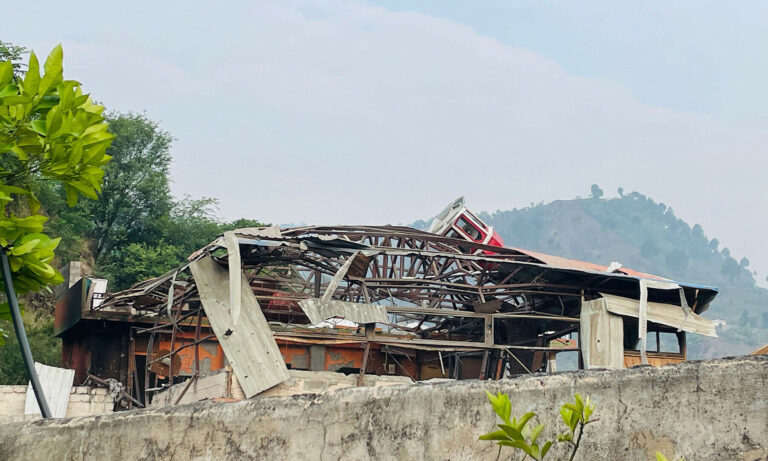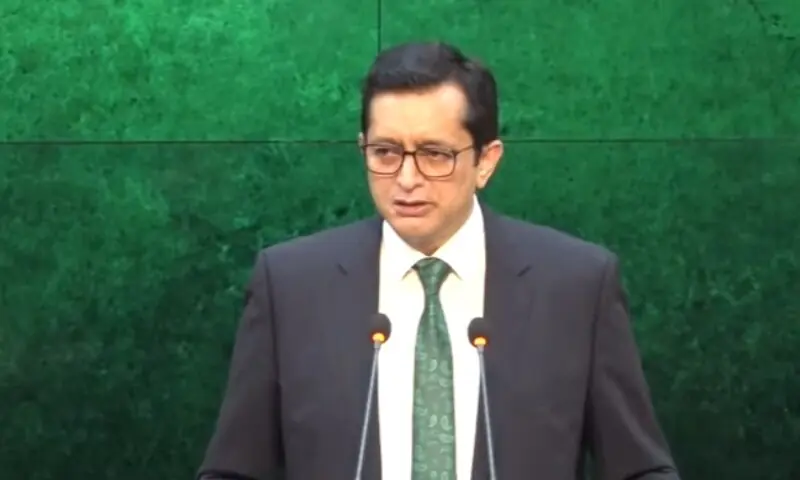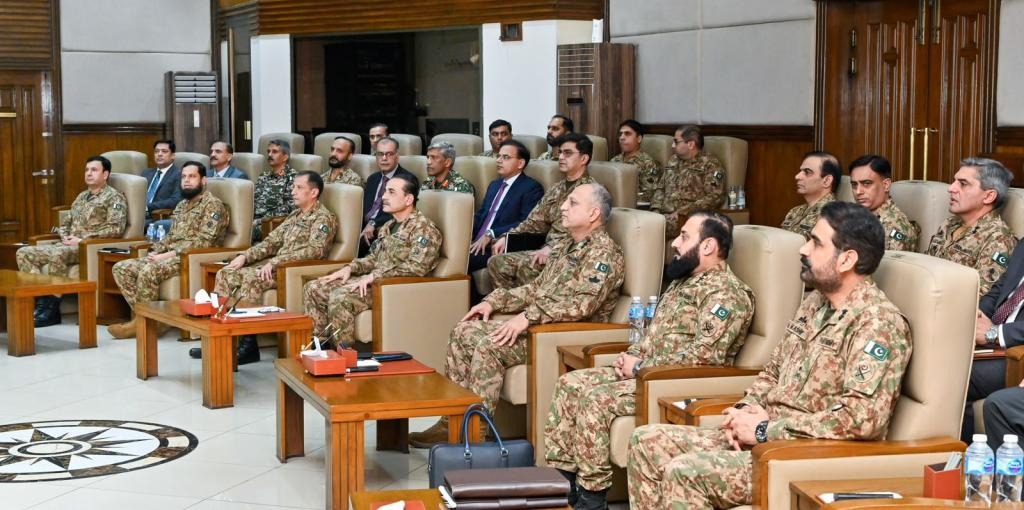
In the rugged, mineral-rich expanse of Pakistan’s Balochistan province, a new and insidious form of conflict is unfolding. It is a war fought not with conventional armies but with narratives, digital propaganda and proxy militancy. The recent intensification of violence, epitomised by the Pakistan Army’s “Operation Shaban” and the coordinated terrorist attacks across the province, reveals a deeply concerning geopolitical nexus and a sophisticated campaign of hybrid warfare that threatens not only Pakistan’s territorial integrity but the stability of the entire region.
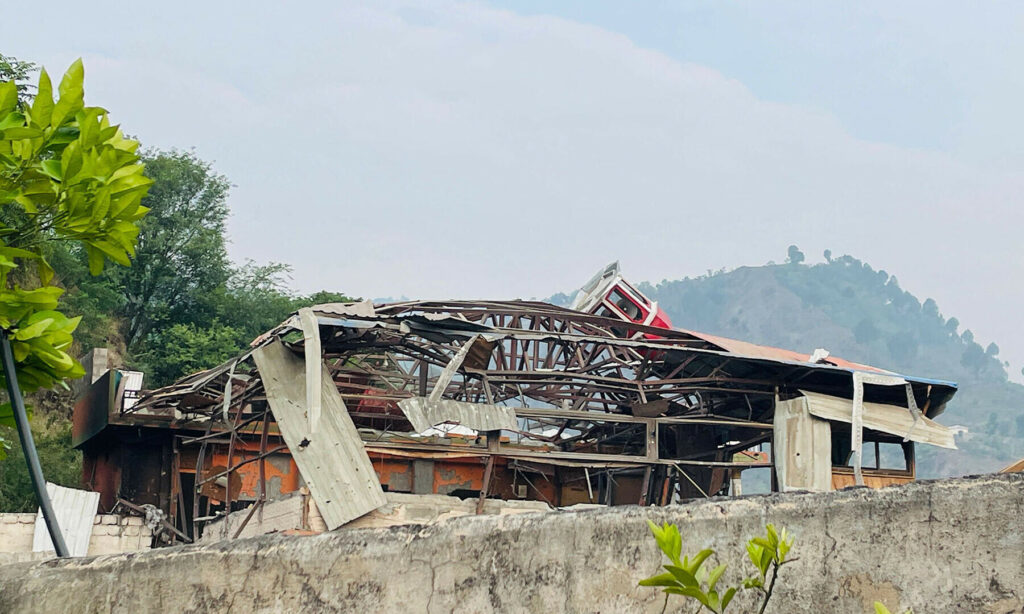
The events of July 2026 serve as a stark case study. Following a wave of brutal attacks, including the deadly assault on a police checkpost guarding the Mangi Dam project in Ziarat, the Pakistani security forces launched a large-scale counterinsurgency offensive. The operation, which involved the Army, Frontier Corps and Police, has reportedly resulted in the deaths of over a hundred militants. However, while the kinetic phase of the operation is ongoing, the larger battle is being waged in the information space, where the distinction between insurgent and victim is intentionally obscured.
A principal actor in this theatre is the Baloch Liberation Army (BLA), a globally designated terrorist organization. While it claims to champion the rights of the Baloch people, its methodology: targeting civilians, security forces, and critical infrastructure tells a different story. The group’s activities have created a climate of fear that directly undermines the province’s economic potential. Balochistan holds immense promise, with the $7 billion Reko Diq copper and gold project alone expected to generate significant revenue and create thousands of jobs. Yet, foreign investment, such as the recent $1.3 billion commitment from the US, remains contingent on a secure environment. By destabilising the province, the BLA and its backers are not fighting for Baloch rights; they are actively sabotaging the very development they claim to seek, trapping the people in a cycle of violence and underdevelopment.
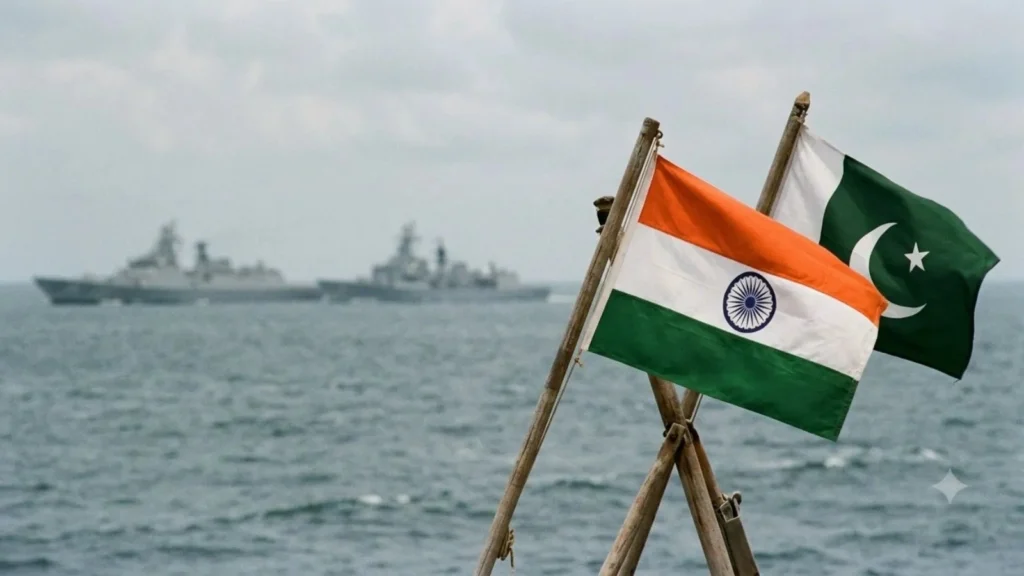
The official accusations against India, long dismissed as rhetoric by some, have taken on new weight with the capture of RAW agent Kulbhushan Jadhav in 2016 and subsequent confessional statements. Defence Minister Khawaja Asif has explicitly linked the BLA to India, stating that the group operates as a proxy to destabilise Pakistan following a strategic defeat for New Delhi. This is not merely a matter of state-sponsored terrorism; it is a calculated strategy of attrition designed to bleed Pakistan economically and militarily by targeting its most vulnerable yet crucial province.
More alarming, however, is the emerging nexus with Israel. While Israel’s long-rumoured interest in Balochistan is not new, often framed as a potential front against Iran, recent developments suggest a formalization of this strategy. The launch of the “Balochistan Studies Project” by the Washington-based Middle East Media Research Institute (MEMRI) is a critical development. Founded by former Israeli military intelligence officer Yigal Carmon, MEMRI’s foray into Baloch affairs under the guise of academic research is a classic example of narrative warfare.
The appointment of Mir Yar Baloch, who has openly declared independence and lauded Indian Prime Minister Narendra Modi, as a “Special Adviser” to this project is a damning indictment of its true purpose. This is not scholarship; it is a propaganda arm designed to create a separatist narrative, provide a veneer of legitimacy to violent groups and mobilize diaspora support. The convergence of interests is clear; India seeks to weaken its archrival, while Israel aims to dismantle Pakistan’s nuclear programme and expand its influence. The Israeli establishment has long viewed Pakistan’s nuclear capability as a primary threat, and Balochistan is seen as a perfect outpost to monitor Iran and pressure Pakistan. This unholy alliance, actively using Afghan soil for logistical and operational support, represents a grave threat to regional sovereignty and a violation of international norms.
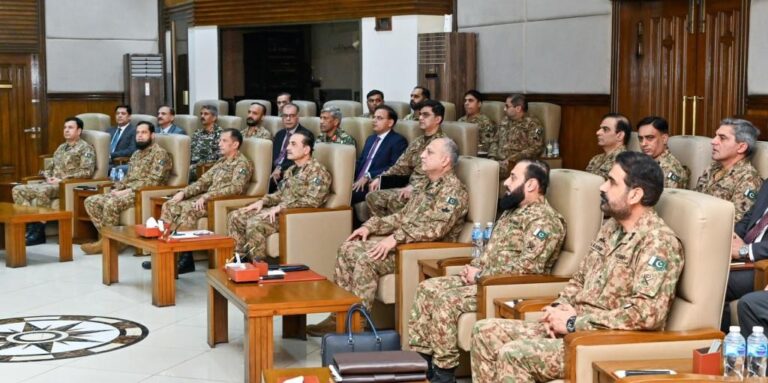
The state of Pakistan, as the primary target of this hybrid war, has responded with force. Operation Shaban is a testament to the military’s commitment to eliminate the militant infrastructure. However, a lasting solution requires more than kinetic operations. The state must decisively counter the narrative warfare by highlighting its substantial development efforts and exposing the foreign-backed agendas that exploit Baloch grievances for geopolitical gain. It must also address legitimate political and economic grievances to prevent further alienation.
The struggle for Balochistan is no longer a peripheral insurgency; it is the central front of a multi-layered conflict. It is a crucible where geopolitical rivalry, resource competition and narrative warfare converge. As Pakistan continues its fight against “Fitna-al-Hindustan” and its international allies, it is not just battling terrorists but a well-funded and sophisticated coalition intent on redrawing the map of South Asia. The international community must recognise that the instability in Balochistan is not an internal matter but a consequence of proxy warfare that has global implications. The path to peace lies not in succumbing to these divisive narratives but in fostering an environment where the people of Balochistan can pursue development and prosperity as part of a united Pakistan.

Usama Qazzafi is a media student and working journalist with over four years of field experience. He currently serves as Sub-Editor for the Urdu section at Hindukush Tribune Network. In addition to his editorial responsibilities, he has contributed articles and analysis to several publications, including South Asia Times, Pakistan Observer, NTN News, and Twin City News. His work primarily focuses on regional affairs, security issues and current affairs reporting.