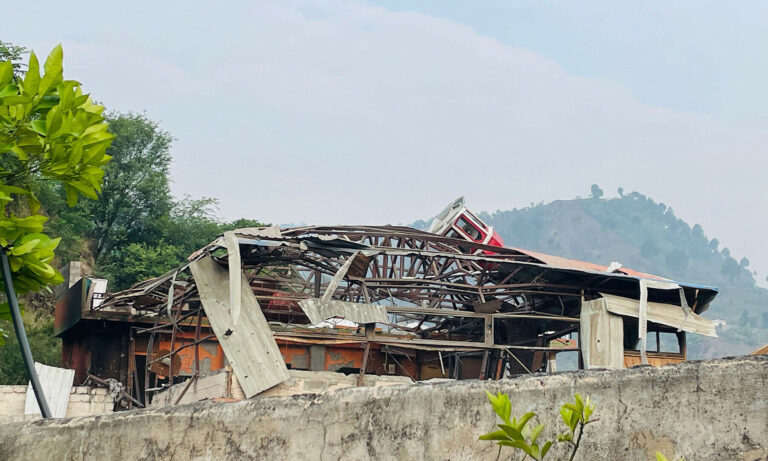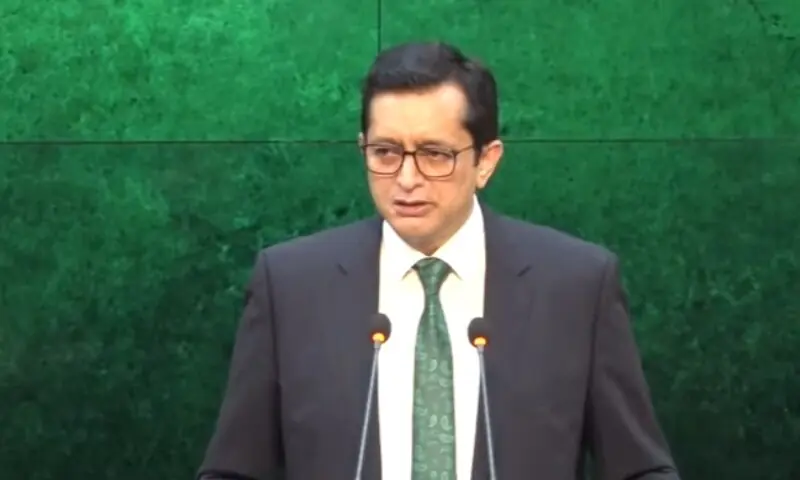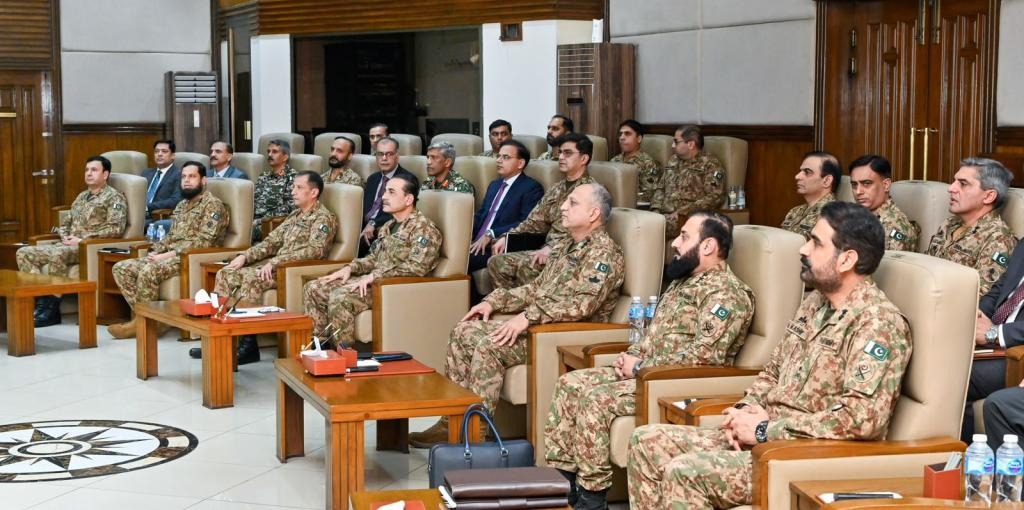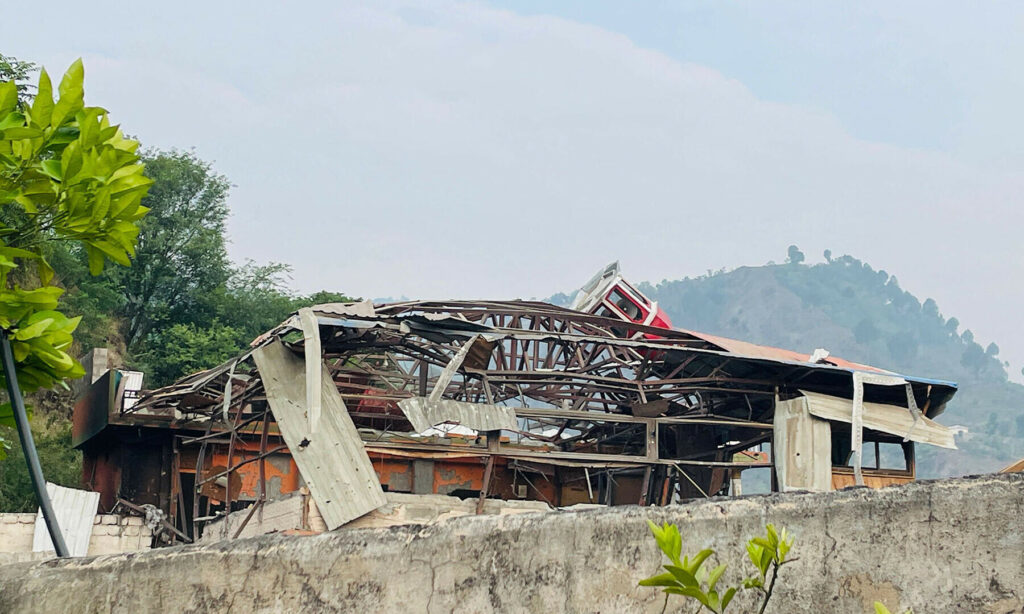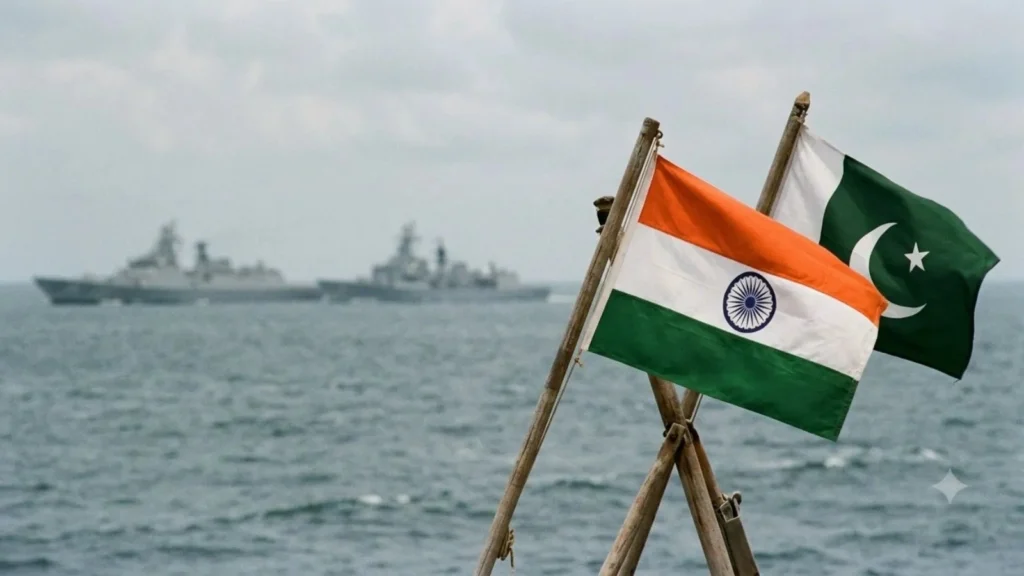
In late February 2026, Pakistani jets struck targets in Nangarhar and Paktika. Islamabad called them TTP hideouts. Kabul called it an act of war. Within days, Pakistan’s defense minister declared the two countries were in “open war,” and Afghan forces claimed to have seized Pakistani border posts along a frontier neither side fully accepts. This was not an aberration. It was the latest episode in a cycle that bilateral diplomacy and ad hoc Gulf mediation have repeatedly failed to break.
The Durand Line, drawn in 1893 between British India and Afghan Emir Abdur Rahman Khan, cut through Pashtun tribal lands with little regard for the people living there. Pakistan inherited it in 1947 and upholds it as a settled international boundary, as Britannica records. Successive Afghan governments, including the current Taliban administration, have never formally recognized it. That unresolved status has turned the border into a porous sanctuary for Tehrik-i-Taliban Pakistan, a problem Pakistani airpower alone has failed to solve. Since October 2025, Qatar and Turkey have brokered several ceasefires, including one around Eid al-Fitr in March 2026. Each collapsed within days amid mutual accusations. Bilateral talks, dependent on whichever mediator happens to be available, produce pauses in shooting but no lasting mechanism. Pakistan needs a different instrument: one that treats TTP spillover as a regional counter-terrorism problem, using an architecture Islamabad already belongs to, the Shanghai Cooperation Organization (SCO).
Here is what makes this more than another call for “more cooperation.” Afghanistan’s engagement with the SCO has been frozen since the 2021 Taliban takeover, and recent reporting citing Russia’s special envoy for Afghanistan indicates that Pakistan itself is the SCO member currently blocking Kabul’s fuller participation, since the organization’s decisions require unanimous consent. Critics will also point to the SCO’s non-interference principle and China’s reported scaling back of funding for the Regional Anti-Terrorist Structure as real constraints on what Tashkent-based coordination can achieve.
These objections do not undercut the case. They are the roadmap. If Pakistan is the obstacle, the fix does not depend on persuading a reluctant third party; it depends on Islamabad changing its own position. Reviving the dormant SCO-Afghanistan Contact Group and dropping objections to Kabul’s participation in Tashkent-based coordination would cost Pakistan little strategically, while opening a channel bilateral diplomacy has never delivered. Pakistan has been a full SCO member since 2017. The Regional Anti-Terrorist Structure, based in Tashkent since 2004, already maintains a shared database of terrorism suspects and has supported joint border-service cooperation since 2013, according to the SCO’s own account of its observer arrangements. Bringing Afghanistan back into those rooms alongside Pakistan, China, Russia and the Central Asian states would normalize intelligence-sharing on TTP movements without asking either side to concede its legal position on the Line. China, as the SCO’s most influential member and the largest external investor in Pakistan’s infrastructure, has its own stake in a mechanism that reduces cross-border militancy rather than one that depends on the next round of airstrikes.
The costs of continuing down the bilateral path are already visible. Khyber Pakhtunkhwa recorded a sharp rise in militancy-related fatalities in 2025, and 2026 has been worse, according to regional security analysis. The indefinite closure of the Torkham and Chaman crossings pushed Pakistan into rerouting trade through Iran and China, a shift industry reporting describes as defensive improvisation rather than strategy. A functioning regional channel would not restore that trade overnight, but it would lower the odds that the next militant attack triggers another unilateral strike and another closed border.
A regional framework would also give Pakistan firmer legal footing. UNAMA has documented civilian deaths from recent strikes, and Pakistan’s mass deportation of Afghan nationals has drawn scrutiny from Human Rights Watch over non-refoulement obligations. A 2023 UN General Assembly resolution recognizing cooperation between the UN and the SCO gives Islamabad a ready basis to align counter-terrorism coordination with its international commitments, rather than treating security policy and humanitarian conduct as separate, unconnected tracks. That separation is precisely what deepens Kabul’s suspicion that Pakistan’s regional diplomacy is selective.
None of this requires Pakistan to concede the Durand Line’s contested status, nor the Taliban to abandon its position on sovereignty. It requires Islamabad to stop being the obstacle to the one multilateral instrument it already has a seat at. A genuine Durand Line doctrine would mean Pakistan using its own SCO membership to pull Afghanistan back into functional counter-terrorism cooperation, rather than waiting for the next Doha-brokered truce to expire on schedule.
The choice is not between bilateralism and multilateralism in the abstract. It is between a security policy that depends on the next mediator’s phone call and one built on an institution Pakistan already controls a seat in. Islamabad holds the key to its own border crisis. It should use it.

Muhammad Waleed Akhtar is a graduate in International Relations from International Islamic University, Islamabad. His work focuses on South Asian security dynamics and regional institutional frameworks.