
Pakistan has begun mediating between Libya’s rival eastern and western administrations, in an effort that had not been previously reported. Both Libyan sides requested Islamabad’s involvement, according to Pakistani sources, with the mediation effort starting late last year.
The US is said to be “fully aware and involved” in Islamabad’s role, insiders confirmed, while Saudi Arabia is also supporting the effort.
Libya has been split between two rival governments since a civil war that followed the 2011 NATO-backed uprising that ended Muammar Qadhafi’s rule. Multiple international efforts to bridge the divide have produced limited results.
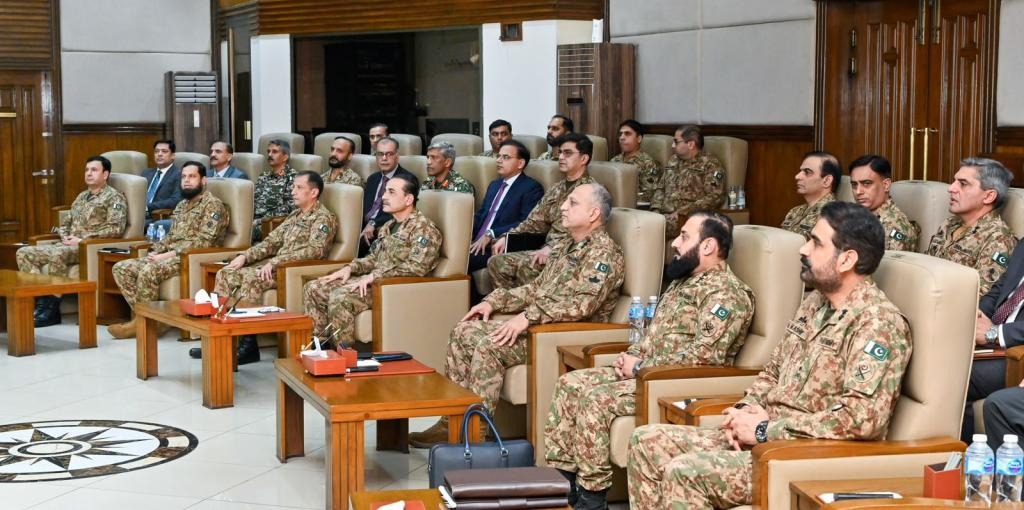
Pakistan’s engagement with both sides has already taken concrete form. Field Marshal Syed Asim Munir met Libyan military chief Saddam Haftar in Rawalpindi last month. Haftar’s visit to Washington followed days later, where he met US Secretary of State Marco Rubio. The State Department said Rubio welcomed Libyan leaders’ efforts to overcome divisions and reaffirmed US support for Libyan unity.
Pakistan has also pursued defence ties with the eastern-based Libyan National Army, including the possible sale of JF-17 fighter jets and Super Mushak trainer aircraft. The rival western Government of National Unity has also recently sought direct talks with Pakistan. Qatar and Turkey, one of the western government’s main backers, were among the parties that encouraged Islamabad to step in as mediator.
The Libya effort follows Pakistan’s central role in brokering the Islamabad Memorandum of Understanding between the United States and Iran earlier this year, for which the Trump administration has repeatedly praised Islamabad.

Our News Desk represents a rapidly expanding frontier in contemporary journalism, focusing on the intersection of technological advancement, geopolitical narratives, and the shifting dynamics of public information.