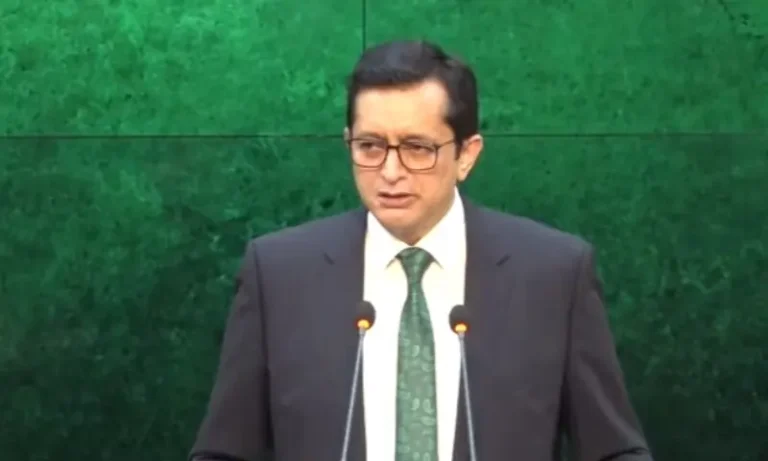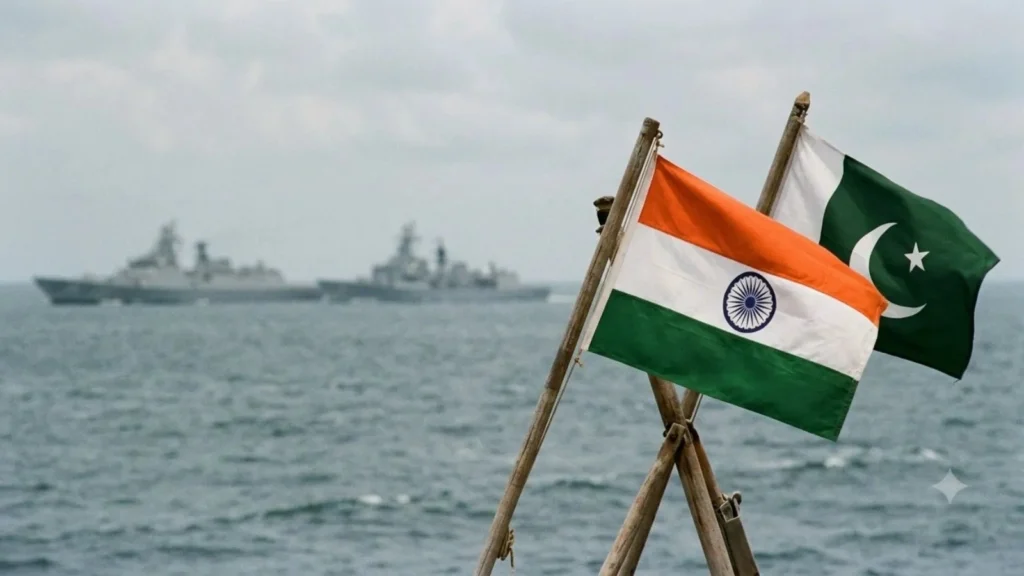
When Pakistan’s Foreign Ministry announced PM Shehbaz Sharif’s four-nation tour from April 15 to 18, it used careful diplomatic language. The visits to Saudi Arabia and Qatar would be conducted “in the bilateral context.” The Turkey stop would include participation in the Antalya Diplomacy Forum. The language was measured. The stakes were not.
PM Sharif arrives in Antalya at a moment when the ceasefire between the US and Iran, brokered by Pakistan, expires on April 22. The first round of talks in Islamabad produced no agreement. The Strait of Hormuz remains contested. The second round has no confirmed date or venue. Against that backdrop, Turkey is not just another stop on a diplomatic tour. It is the next concrete test of whether the architecture Pakistan has assembled over the past six weeks holds.
The Quartet That Matters
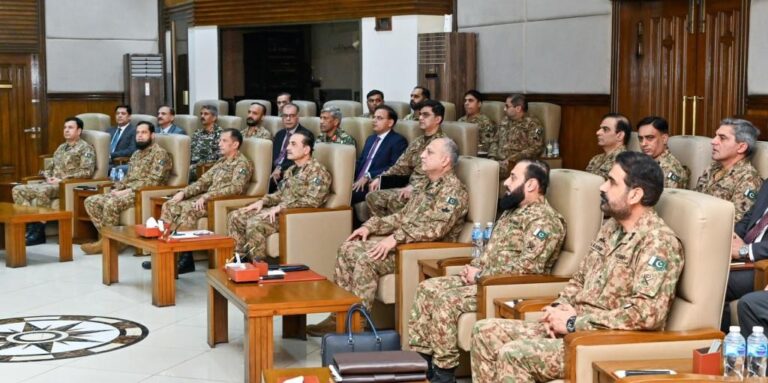
The headline event at Antalya is not the Leaders’ Panel. It is a four-way meeting involving Turkey, Pakistan, Saudi Arabia, and Egypt on the forum’s sidelines. According to reports, Turkey is preparing to host talks on creating a regional security platform with Pakistan, Saudi Arabia, and possibly Egypt, with foreign ministers of all three countries invited to the sidelines of the Antalya Diplomacy Forum. It would be the third such meeting in the past month, after previous discussions on the topic in Riyadh and Islamabad.
This quartet is not new. It has been the backbone of the regional mediation effort since the crisis started. The foreign ministers of Egypt, Saudi Arabia, Qatar, and Turkey first convened in Riyadh on March 19 at the height of tensions and reconvened in Islamabad ten days later as part of a coordinated push by key Muslim countries to seek an end to the conflict. Antalya is the third sequel to that. Every meeting has created pressure, specificity, and weight for both Washington and Tehran to get back to the table.
Turkish Foreign Minister Hakan Fidan has called for the formation of a Middle East security pact to build trust and stability in the region after the end of the Iran war, saying such a pact is necessary for countries to be assured of one another. That is a larger vision than just the Iran file. It is a sign that Ankara is planning beyond the ceasefire to what follows, the regional order. Pakistan perfectly fits in that vision. The two nations have been on the same page regarding the conflict; both have direct access to the parties, and both possess political interests to observe a lasting resolution and not a temporary ceasefire in the fighting.
The forum itself provides the right frame. The 5th Antalya Diplomacy Forum is organized with the theme of “Mapping Tomorrow, Managing Uncertainties” and brings together more than 20 heads of state, about 15 deputy leaders, and more than 50 ministers representing over 150 countries. Analysts note that the systematic exchange of messages between Turkey and Pakistan, directed at both Washington and Tehran following the Islamabad talks, has kept hopes alive for a second round of talks. Antalya is where those exchanges get formalized, pressure-tested, and publicly committed to.
What PM Sharif Brings to the Table
PM Sharif does not arrive at this forum as just another head of government attending multilateral panels. He comes as the man who negotiated the ceasefire. That status gives his presence at Antalya a specific weight that no other leader at the forum carries. Every bilateral conversation on the sidelines, every quiet exchange with ministers from the Gulf, every public statement at the Leaders’ Panel, carries the implicit context of a mediator still actively managing a live crisis.
PM Sharif was invited to the forum by President Erdogan himself, and there would be a four-way high-level meeting between Turkey, Pakistan, Saudi Arabia, and Egypt on the sidelines to discuss the urgent matters of regional stability. The two leaders have a working relationship that was established over the years. The seventh session of the Pakistan-Turkey High Level Strategic Cooperation Council, co-chaired by PM Sharif and Erdogan earlier this year, reviewed progress and paved the way for deeper collaboration in defense, energy, and infrastructure. That bilateral foundation matters. It means the conversations at Antalya do not start from scratch. They continue from an established framework of trust.
Ankara is now seen as the primary bridge between Washington, Tehran, and the mediators in Islamabad. The location of Turkey does not compete with that of Pakistan but rather complements it. Where Pakistan holds the direct negotiating channel with both the US and Iran, Turkey holds the broader regional frame, the Gulf relationships, the NATO connection, and the platform of a major Muslim-majority power with credibility across the conflict’s fault lines. PM Sharif at Antalya means Pakistan bringing those two roles together.
The ceasefire expires in six days. The second round of talks has no confirmed venue. The quartet expected to meet at Antalya is seen as one of the forum’s most significant events, with the possibility of high-level Iranian participation adding another dimension to what could be achieved. PM Sharif is not in Antalya to deliver speeches. He is there to keep the process alive for one more week, with enough regional consensus behind it to give both Washington and Tehran a reason to sit down again. This is the actual agenda. And it is the only one that matters right now.

Our Editorial Desk is the intellectual engine of Digital Debate, responsible for the rigorous research that anchors every conversation. Our team deep-dives into data, checks every source, and consults academic literature to move beyond headlines and identify the questions behind the questions.