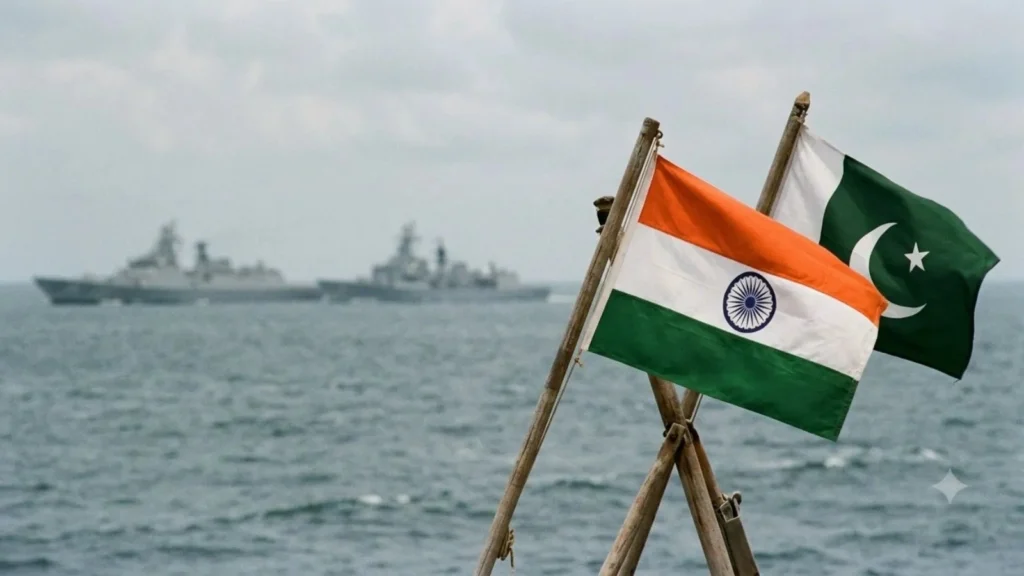

In the winter of 1987, the subcontinent was broiling with tensions of war. The Radcliffe Line was filled with troops, and the threat of a fourth major war between India and Pakistan loomed large. In the midst of this brinkmanship of high stakes, a great incident took place, the Pakistani President, General Zia-ul-Haq, went across the border, not to sign a treaty, not to attend a formal summit, but to sit in the stands at Jaipur and watch a cricket match. Seated beside Indian Prime Minister Rajiv Gandhi, Zia used the “gentleman’s game” as a shield against the drums of war. It is perhaps one of the most poignant memories that in South Asia, sport has always been a power that transcends even traditional diplomacy, a connector that linked hearts even as political structures were crumbling.
A Shared History of Greatness
With the International Day of Sport for Development and Peace on April 6th, it is important to reflect on the time when sports were indeed the Olympic ideal in our part of the world. In the 1950s and 60s, the hockey turfs of the world were the stage for a rivalry that was as fierce as it was respectful. India and Pakistan competed in three Olympic finals in a row, Melbourne (1956), Rome (1960), and Tokyo (1964).
These were not just a game; it was a battle between two young states struggling to come to terms with the Partition trauma. However, even with the new scars of history, sportsmanship as exhibited by the athletes of that time appears to be like a different world. They struggled over every inch of the field, and yet they shook hands with sincerity after each whistle. To the millions of fans back home, these matches were an exceptionally rare chance to see national pride being displayed in excellence instead of enmity. The scoreboard took a back seat to the mutual heritage of being masters of hockey in the world.
Cricket as a Diplomatic Tool
While hockey laid the foundation, cricket became the grand theater for South Asian connection. In addition to the 1987 visit of Jaipur, the 2004 Friendship Series is one golden chapter in the history of the region. The reception was astounding when the Indian team made a visit to Pakistan after a long absence. Thousands of Indian fans crossed the border, not as invaders, but as guests. They were invited into Pakistani houses, had meals together in the local bazaars, and laughed together on the stands. During one short, sweet season, the eyes were no longer on past sorrows, but on the mutual delight of a timely cover drive, or a yorker that whistles. It was an indication that when the gates are opened, the people of South Asia prefer association rather than war.
Even in our modern, often fractured era, glimpses of this spirit persist. The Paris 2024 Olympics gave the world a beautiful picture of the way things can be. When Arshad Nadeem of Pakistan won gold, and Neeraj Chopra of India took silver in the javelin throw, the world didn’t see two enemies; it saw two sons of the same South Asian soil. Their warm embraces and public mutual respect traveled faster than any diplomatic dispatch, sparking a wave of joy and shared pride across both sides of the border. In that moment, the “South Asian” identity overshadowed the “Indo-Pak” rivalry.
The Growing Shadow of Division
However, the dream of sports as a bridge now feels painfully distant. Over the past few years, the field of play has continued to become a reflection of division. The transformative power of the game is being stifled by a rising tide of hyper-nationalism and political interference.
India and Pakistan have not played bilateral cricket in the last ten years, the lifeblood of sporting diplomacy in the region. The two giants now meet in neutral grounds only when there is a multi-nation tournament, and the mood of the day is one of tension instead of celebration. We have witnessed captains who pass on the traditional handshake in a toss, players who aim their provocative gestures in the field, and fans who make social media a battlefield of hate.
This shift has consequences beyond the scoreboard. What once brought families together across borders now fuels boycotts and security fears. In Afghanistan, the situation is even more dire. The male team has been used to gain political legitimacy internationally, and women have been completely forced out of the world of sport. This marginalization puts the whole idea of sports as a developmental and inclusion tool upside down, denying half of the population the right to the universal language of play.
The Cost of Weaponizing Sports
When sports are weaponized, everyone loses. Even the pitch that is a neutral ground of human interaction turns out to be another battlefield to play past grievances. The soft power of sports is being traded for short-term political posturing.
The International Day to Sport for Development and Peace is a wake-up call to stop and think. Sports were not designed to be an instrument of exclusion and a catalyst of jingoism. They are fundamentally about resilience, respect, and excellence. The Olympic legacy rests on the ideals that teams can compete without hatred, they can rejoice in diversity and yet recognize the common humanity.
Reviving the Promise of Peace
The people of South Asia, in India, Pakistan, and Afghanistan, deserve a return to the spirit of the 1950s hockey finals and the 2004 Friendship Series. They deserve to cheer not against each other, but with each other.
To restore this spirit, it is a deliberate decision of all the stakeholders. Sport and statecraft should be kept separate so that even as security issues are not negotiable, sports are not the initial victim of political misunderstandings. Moreover, the international community has to challenge the Afghan model of exclusion to make sure that sports are a fundamental right of every person, notwithstanding their gender. Finally, media and social influencers have a unique responsibility to move away from war-like narratives and return to celebrating the skill and human spirit of the athletes themselves.

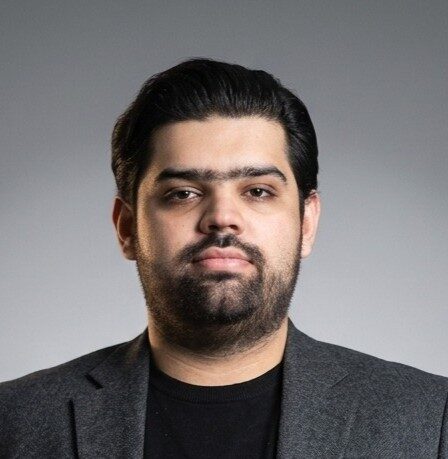
Syed Abdullah Anwer is a leading legal expert and international media analyst appearing regularly on platforms such as Russia Today (RT) and TVRI World. As a Senior Associate at TAHOTA Law Firm and a CIArb-accredited neutral, he offers authoritative insights into the intersection of regional geopolitics, treaty obligations, and international diplomacy. He is widely recognized for his unique ability to navigate the legal complexities of the China-Pakistan Economic Corridor (CPEC) and maritime law.