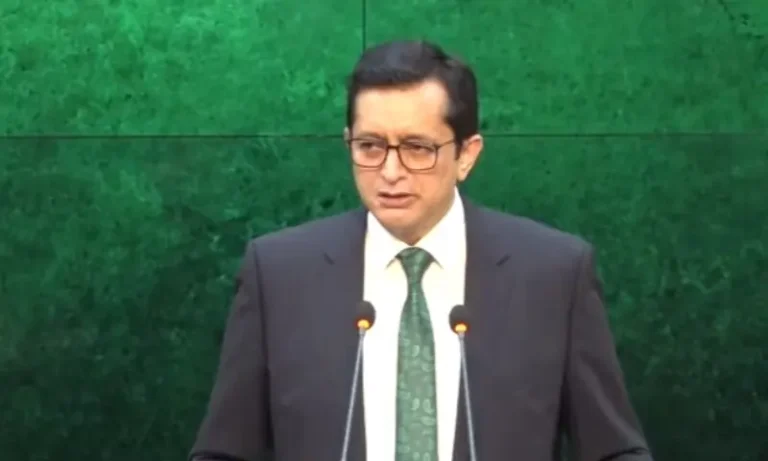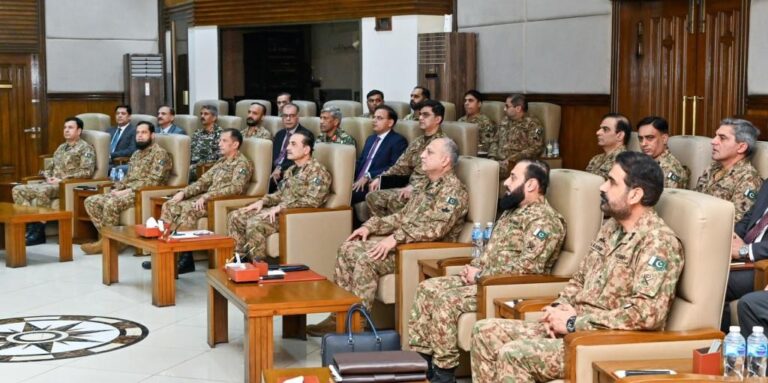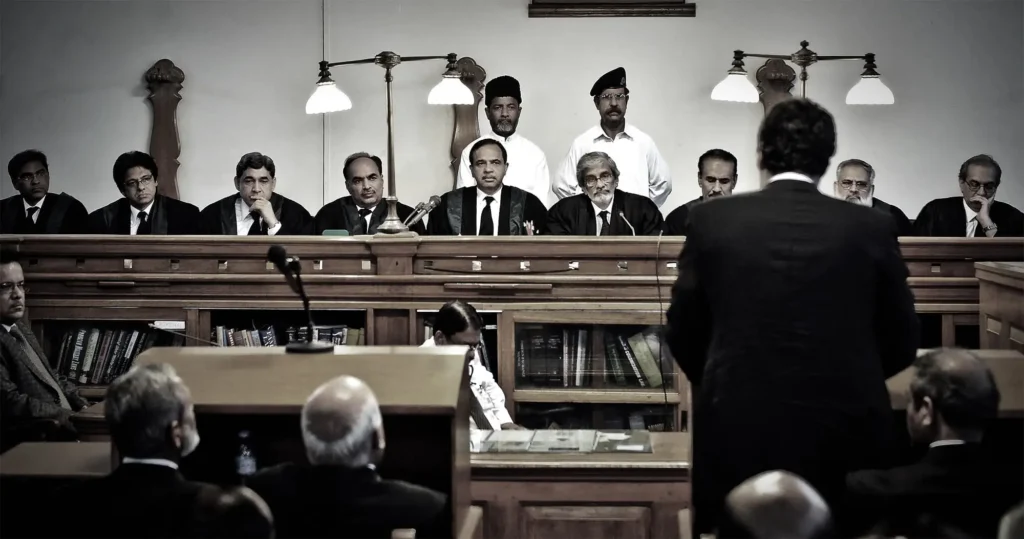
Pavements freshly painted. Streets sealed off. A five-star hotel emptied of its guests on short notice. Pakistan is tightening its already formidable security grip, and a sense of anticipation and anxiety is overtaking the capital, Islamabad, as it prepares to host the meeting that the world will be watching this weekend. Pakistani capital that has taken the center stage today, April 10, 2026, the venue of the most fateful diplomatic meeting in the current century. The direct negotiation between the United States and Iran, two enemies that have been at open war since February 28.
The stakes could not be higher. Exactly six weeks after the United States and Israel launched coordinated strikes on Iran that killed Supreme Leader Ayatollah Ali Khamenei, set off a war that killed thousands across multiple countries, shut down the world’s most critical oil passage, and sent energy prices soaring, senior representatives from both sides have agreed, however reluctantly, to sit across a table in the foothills of the Margalla Hills. It is the top-most meeting between the US and Iran since the 1979 Islamic Revolution, and that fact alone serves as a reminder of how radically the world has transformed in a few weeks.
A City Transformed, A Nation Tested
The preparations Islamabad has undertaken for this encounter are nothing short of extraordinary. Authorities have announced two local holidays for Thursday and Friday, deployed heightened security around the Red Zone, and reserved the famous Serena Hotel for the delegations. Traffic diversions and road closures have been implemented across the city, while all emergency services and hospitals remain on high alert. The Serena Hotel, a five-star property located adjacent to the foreign ministry in the capital’s heavily fortified Red Zone, was requisitioned from Wednesday evening, with all current guests asked to vacate their rooms, the hotel’s business complex and offices closed for security reasons.
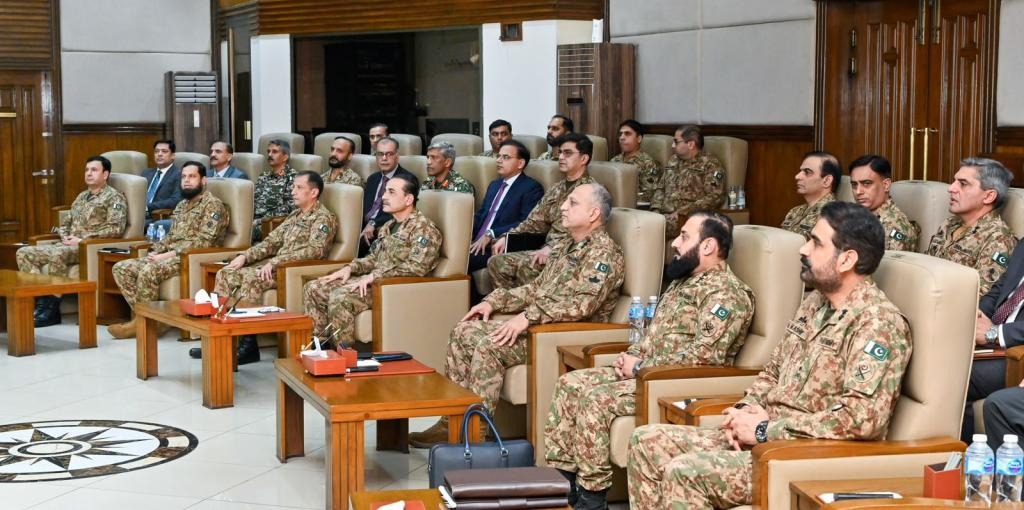
The security situation has been made foolproof. Over 10,000 personnel, drawn from the Pakistan Army, Rangers, and federal and provincial police, have been deployed across the city, with troops even stationed in the Margalla Hills to guard against long-range threats. Pakistan is operating under its Blue Book VVIP protocol, which requires sweep teams to check rooms to ensure there are no listening devices and to have fuel sampled by transport vehicles to avoid sabotage. An American advance security team consisting of 30 members has already landed in Islamabad to check on arrangements.
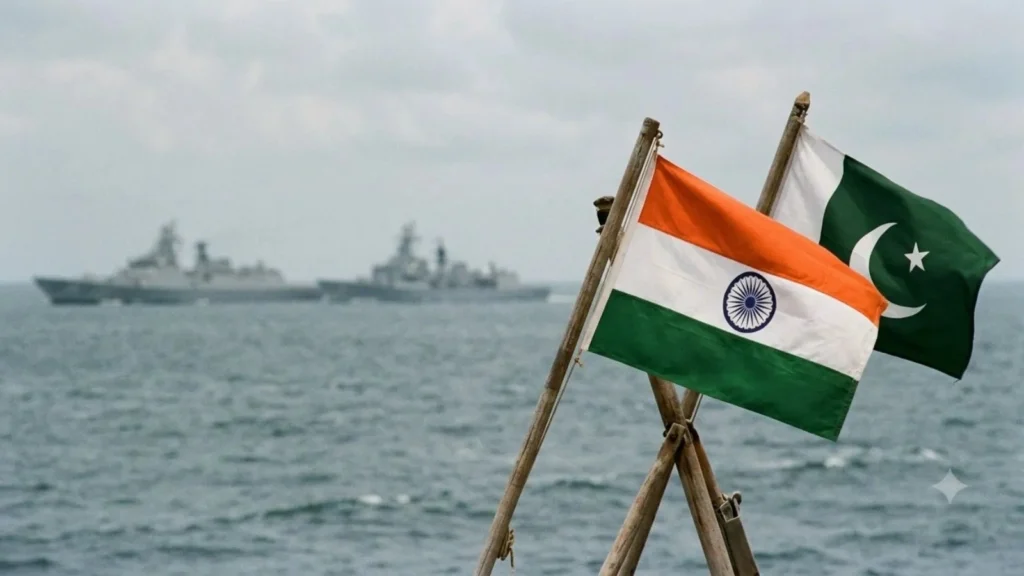
Pakistan’s role as host is no coincidence. Islamabad currently maintains working ties with both Washington and Tehran. Pakistan shares a 900km border with Iran and hosts the world’s second-largest Shia Muslim population after its neighbor, factors that enhance its relevance to Tehran. Prime Minister Shehbaz Sharif has put a lot of diplomatic capital into getting both parties to this location, and officially invited them to Islamabad on Friday, 10th April 2026, to further negotiate a final agreement that will end all disputes. That Pakistan has also, alongside Egypt, become a guarantor of the fragile two-week ceasefire speaks to how much Islamabad has elevated its standing in global diplomacy through this crisis.
High Delegations, Higher Obstacles
The structure of the delegations indicates the seriousness and the delicateness of the moment. US Vice President JD Vance will lead the American delegation, joined by Middle East envoy Steve Witkoff and Jared Kushner. The Tehran delegation will be headed by Parliament Speaker Mohammad Baqer Qalibaf and Foreign Minister Abbas Araghchi, but Iran has not officially confirmed who will attend. A visit by Vance, 15 years after that of Biden, is a rare and historic amount of US activity in Islamabad, especially when the US ambassadorial office in the city is currently vacant.
Yet the two sides arrive in Islamabad carrying contradictory maps of what a deal should look like. Iran’s 10-point proposal, around which Tehran insists negotiations must center, calls for Iranian dominance and oversight of the Strait of Hormuz, the withdrawal of all US combat forces from bases in the Middle East, a halt to military operations against allied armed groups, full compensation for war damages, the lifting of all sanctions, and the release of frozen Iranian assets abroad. Washington, in its turn, has worked out its own 15-point counter-framework. The most important points for the US concern Iran’s enriched uranium, its ballistic missile programme, the lifting of sanctions, and the reopening of the Strait of Hormuz, with uranium enrichment remaining Donald Trump’s stated red line.
The very ceasefire, which was declared only a few days ago, is already visibly straining. Iran’s Parliament Speaker Ghalibaf said the Israeli strikes on Lebanon violated the first clause of his country’s 10-point proposal, and suggested a bilateral ceasefire was unreasonable while Lebanon remained exposed. By April 9, there was no sign that the agreement to lift the Iranian blockade of the Strait of Hormuz was being implemented, with ships once again being prevented from moving through the strait.
The expected outcomes of today’s talks range from cautiously optimistic to deeply uncertain. US President Donald Trump said on Thursday he was “very optimistic” a peace deal was within reach, but many analysts expect significant uncertainties over the outcome. The Supreme National Security Council of Iran stated that the negotiations might extend up to 15 days, which also implies that the delegations may remain in Islamabad after today or come back to have further sessions. The ideal best-case scenario of this preliminary round is not an overarching agreement, but a framework or a contract on how to continue talking, ensuring that the ceasefire does not collapse before the April 22 deadline.
Islamabad may provide a breakthrough or just buy the world a few more days of its time on the edge, but the capital of Pakistan has already established its niche in the history of diplomacy. The painted kerbs, the closed Red Zone, the hotel that has been evacuated, they are all the physical mark of a nation that came forward when the world needed someone to. The harder work of turning a ceasefire into a peace, however, begins today.

Our Editorial Desk is the intellectual engine of Digital Debate, responsible for the rigorous research that anchors every conversation. Our team deep-dives into data, checks every source, and consults academic literature to move beyond headlines and identify the questions behind the questions.