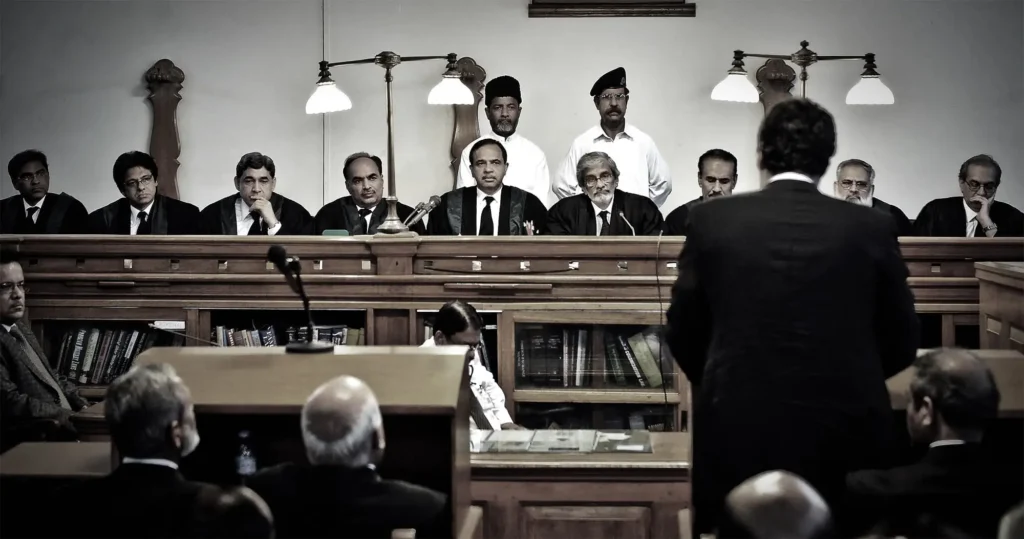
Shifting Narratives Around the Ceasefire
In recent days, the spotlight has been on Pakistan’s decisive role in facilitating the Iran ceasefire. While some media and online narratives, particularly from Indian outlets and commentators, have attempted to downplay Pakistan’s role, the reality, backed by evidence from key international actors, tells a completely different story. Pakistan’s efforts were neither symbolic nor superficial; they were strategic, deliberate, and instrumental in preventing a larger regional crisis.
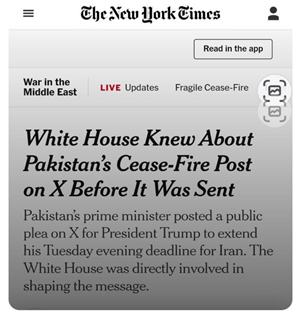
The discussion gained momentum after reports, including those by The New York Times, indicated that the White House was aware of Prime Minister Shehbaz Sharif’s ceasefire-related post on X prior to its publication. This detail led to a range of interpretations, with some suggesting that Pakistan’s message may have been shaped externally, raising questions about the independence of its diplomatic role. However, such conclusions rely more on inference than on established diplomatic practice. In complex, multi-party negotiations, especially those involving high-stakes de-escalation, it is not uncommon for communication to be aligned across stakeholders to ensure clarity and consistency. Viewed in this context, similarity or prior awareness of messaging reflects coordination rather than control, and should be understood within the broader framework of how international diplomacy operates.
Diplomacy Beyond Optics
First, coordinated communication does not equate to control. In any high-level ceasefire or de-escalation process, messages are carefully structured to avoid ambiguity and misinterpretation. This is standard diplomatic procedure, not evidence of external dominance. To assume otherwise risks oversimplifying how international negotiations function, particularly in moments where precision in communication can directly influence outcomes.
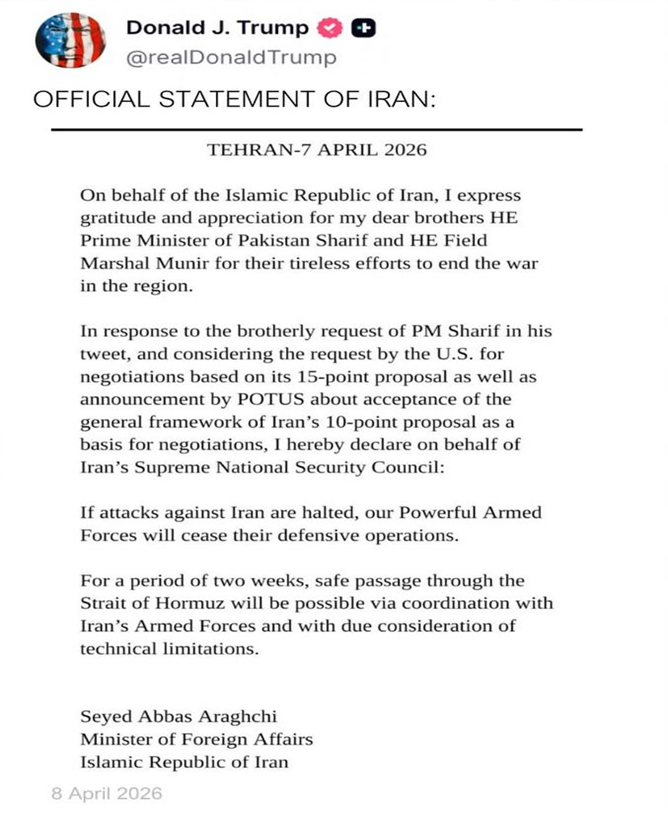
More importantly, the impact and reception of Pakistan’s role underscore its independence and significance. Iran’s Supreme National Security Council, represented by Syed Abbas Araghchi, explicitly expressed gratitude toward Pakistan and its leadership. This acknowledgment was further amplified when Donald Trump reposted Iran’s message, reinforcing that Pakistan’s efforts were recognized across key stakeholders. If Pakistan were merely relaying externally crafted messaging, such direct appreciation from Iran would be difficult to explain.
Evidence of Active Mediation
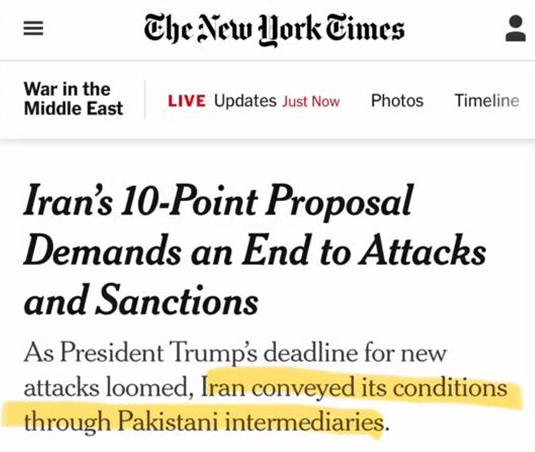
Further reinforcing this position is the fact that Iran’s 10-point proposal, which included demands for an end to attacks and sanctions, was conveyed through Pakistani intermediaries. This reflects a substantive and active mediatory role rather than a passive one. Pakistan was not simply communicating outcomes; it was facilitating them. Claims that frame Pakistan as a subordinate actor overlook this evidence of independent diplomatic engagement. Coordination with global powers, including the United States, was not an indication of dependency but a necessary element of effective mediation. Diplomacy at this level requires alignment to prevent miscommunication, particularly when the consequences of failure could escalate into broader conflict.
Narratives, Perception, and Reality
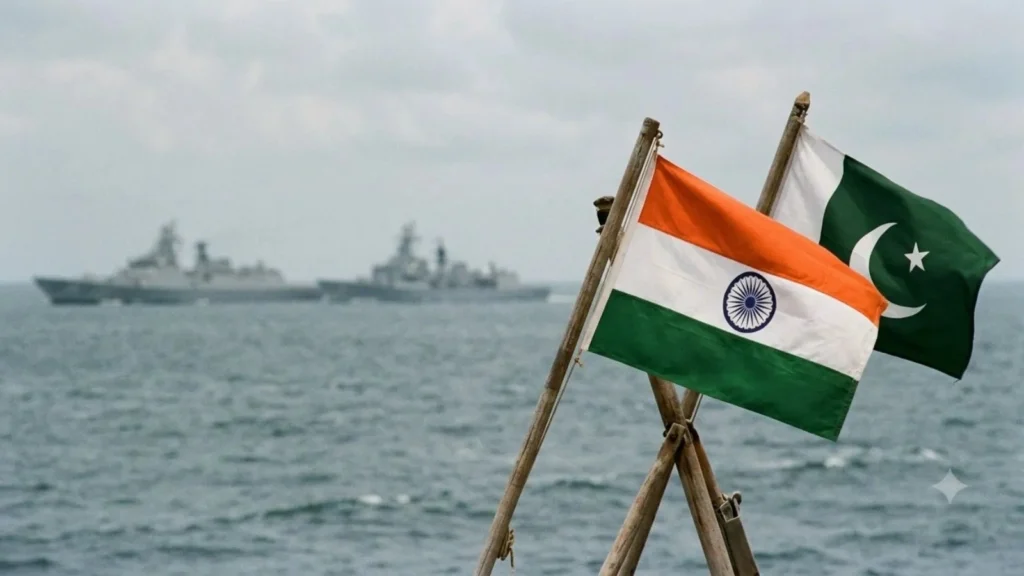
The response from India further contextualizes the narrative. While maintaining a largely neutral stance during the escalation, segments of Indian media and online discourse have since focused on questioning Pakistan’s role. This shift appears less about examining the outcome and more about shaping perception. By concentrating on messaging rather than results, such narratives overlook the tangible impact of Pakistan’s involvement, which contributed to stabilizing a highly volatile situation.
Strategically, what this situation illustrates is the difference between optics and outcomes. The timing or wording of a statement does not define diplomatic credibility; the real measure lies in tangible results. Pakistan’s coordination ensured that Iran, the United States, and other stakeholders reached a ceasefire, preventing further escalation and demonstrating its ability to operate effectively in complex global negotiations.
Measuring Diplomacy by Outcomes
In conclusion, Pakistan’s role in the Iran ceasefire should be understood within the broader context of international diplomatic practice. Coordinated communication is not a sign of diminished sovereignty but a tool of strategic engagement. By focusing on outcomes rather than assumptions, it becomes clear that Pakistan acted as a mediator, facilitator, and stabilizing force, helping to prevent further conflict. The results speak for themselves, and they offer a more accurate measure of Pakistan’s role than any speculative narrative.

Our Editorial Desk is the intellectual engine of Digital Debate, responsible for the rigorous research that anchors every conversation. Our team deep-dives into data, checks every source, and consults academic literature to move beyond headlines and identify the questions behind the questions.