In the volatile theater of international diplomacy, few acts are as precarious as the one currently being performed by Pakistan. With the country struggling with its internal security issues, a bad economy, and a hot border with Afghanistan, the country has become a very unlikely, but crucial, facilitator in the tensions that are building up in the Middle East.
The intricacies of this role are described as a diplomatic tightrope that Islamabad has no choice but to walk. But now, after the breakthrough announcement on April 8, 2026, of a two-week ceasefire between the United States and Iran mediated by Pakistan, that balancing act has become a field of one of the greatest diplomatic successes in the history of Islamabad.
Facilitation Over Mediation
While many analysts use the heavy-handed term mediation, a role traditionally reserved for superpowers, Pakistan’s effectiveness lies in its modesty. Pakistan has chosen the word facilitation so as not to appear as a determiner of terms, but rather as a bridge. For mediation or facilitation, one needs a person or party which both sides of the conflict can talk to, and Pakistan emerged as that party.
The framework of the Islamabad Accord, however delicate, was able to stop an imminent US attack on Iranian infrastructure and closed the Strait of Hormuz, an important artery in which 90 percent of the energy imports of Pakistan pass. This is the currency of diplomacy, and the small role being played by Pakistan is now fulfilling a task that bigger powers have failed to fulfill.
The Paradox of Peace
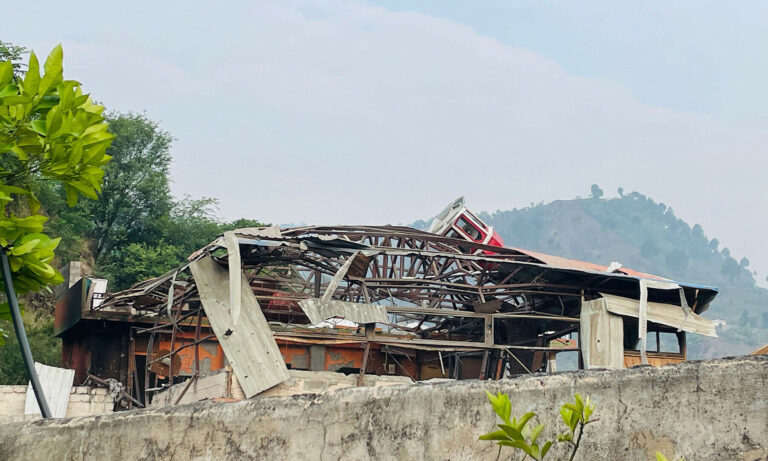
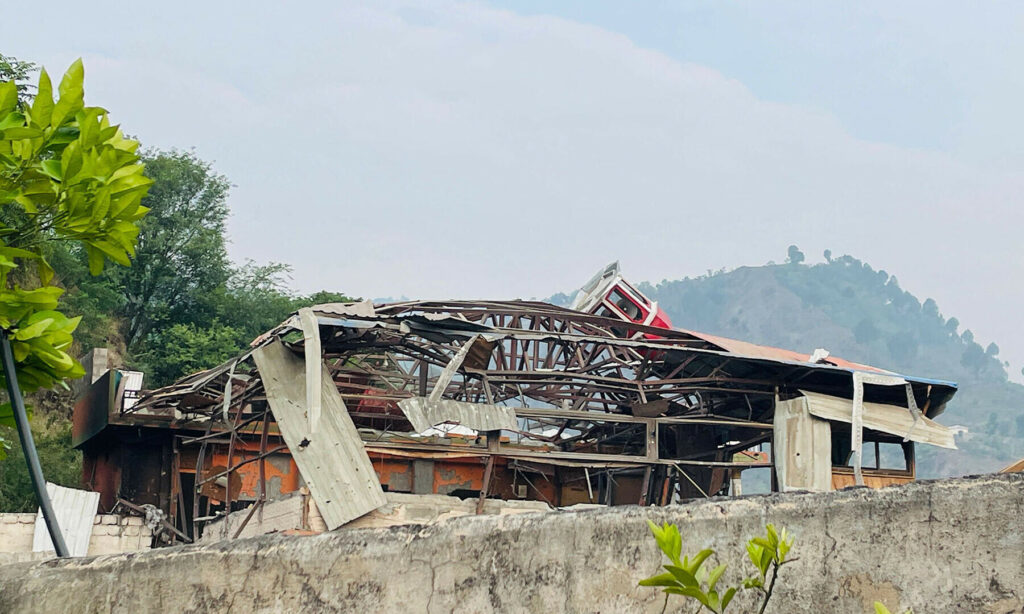
One of the most frequent criticisms leveled against Islamabad is the perceived hypocrisy of seeking peace abroad while battling a domestic insurgency and maintaining a confrontational stance with the Taliban in Afghanistan. The context of these two events is completely different. The internal activities of Pakistan, such as the recent airstrikes in Afghanistan, followed after the bombing of mosques in Islamabad, are framed as attempts at survivalist counterterrorism.
The Middle East conflict, on the contrary, is state-level aggression and wider geopolitical interests. The validity of Pakistan’s role isn’t determined by regional rivals, but by the stakeholders. If President Donald Trump and the Iranian leadership see value in Pakistan’s channel, as evidenced by Trump’s public acknowledgment of the Sharif and Munir intervention, then the role is a functional success regardless of internal contradictions.
Walking the Diplomatic Tightrope
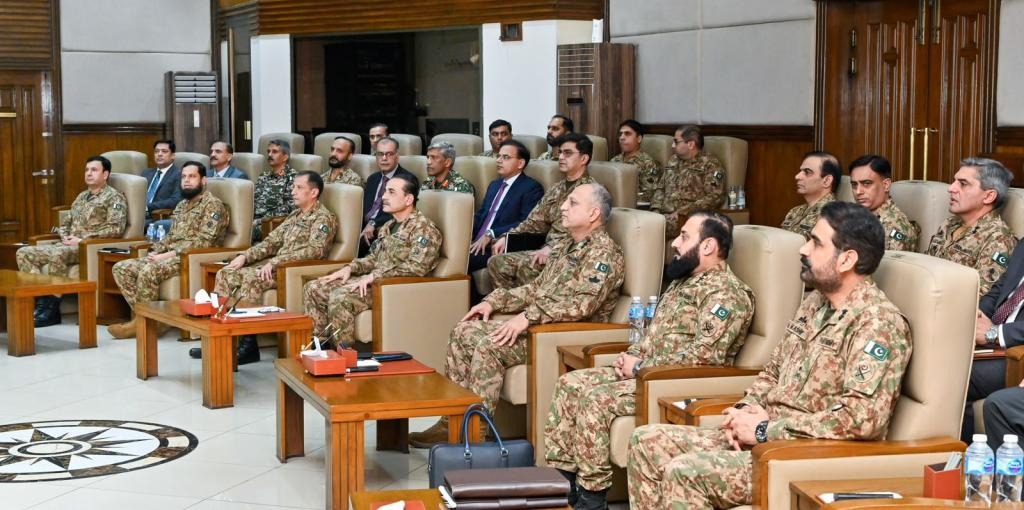
Pakistan’s foreign policy is a mosaic of contradictions that require constant balancing across several global powers. The US remains a critical security partner, and Field Marshal Asim Munir’s personal rapport with the Trump administration has been cited as the unifying factor that enabled the truce. Simultaneously, Iran is a neighbor with a shared history and a 900km border. Pakistan’s early condemnation of strikes on Iranian soil won over Tehran, allowing Islamabad to act as a credible conduit between two bitter adversaries.
The situation is further complicated by the historic Strategic Mutual Defense Agreement signed with Saudi Arabia in September 2025. This pact stipulates that aggression against one is aggression against both, a commitment that added immense pressure on Pakistan to stay neutral in the Iran-US conflagration to avoid being dragged into a direct war with its neighbor. In the meantime, Beijing has openly supported the five-point peace plan of Pakistan.
The India Comparison
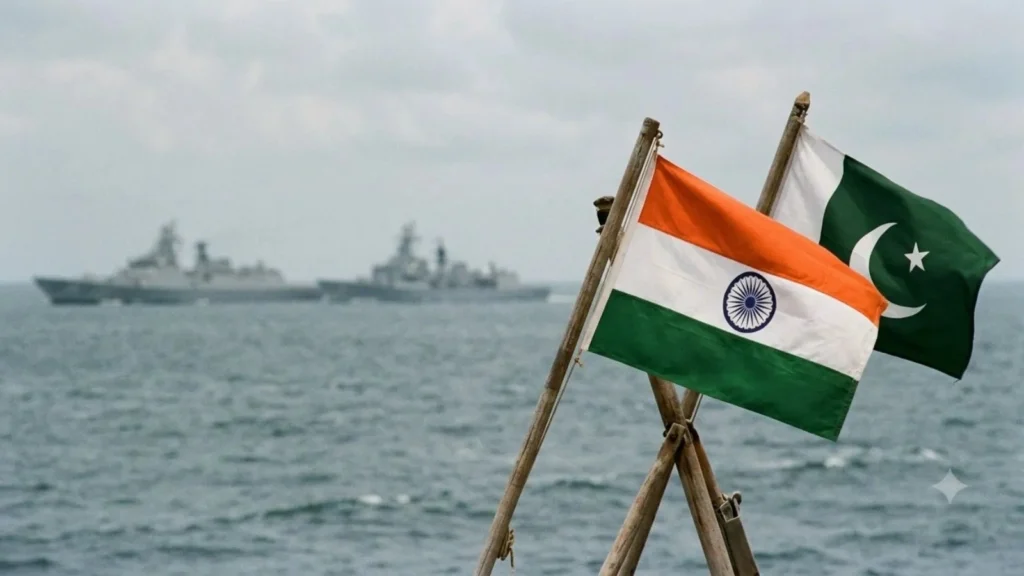
Although India has been able to retain strategic independence and strengthen its relationship with Israel, it has mostly remained on the periphery of the ongoing mediation process. Pakistan currently occupies a unique diplomatic space that New Delhi does not. The difference was very noticeable in the recent Iran conflict when Indian media and opposition leaders criticized its government due to a foreign policy misstep at a time when Pakistan was in focus.
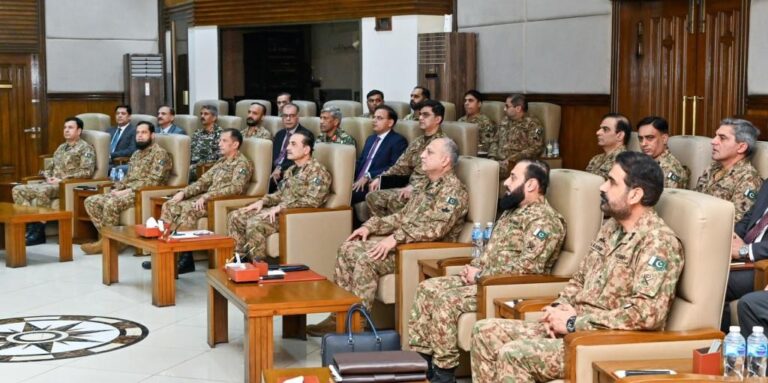
Islamabad used its exclusive institutional presence in both Washington and Tehran to reestablish an international relevance that many believed to be lost with the US withdrawal in 2021 in Kabul. While some dismissed this as simple brokerage, the ability to bring Field Marshal Asim Munir and US Vice President JD Vance to the same virtual negotiating table marks a significant shift in regional influence.
Can the Bridge Hold?
The true test of the Islamabad Accord begins now, as in-person talks are scheduled to commence in the Pakistani capital. Whether Pakistan succeeds in facilitating a permanent settlement remains to be seen. Bigger powers have failed, and while Pakistan could also fail, there is a distinct possibility it may succeed where others could not. The fact that the worst enemies of the world are currently using the Islamabad channels means that, as of now, the bridge is holding. In the high-stakes game of geopolitics, Pakistan has proven that an unlikely mediator with the right connections can sometimes achieve what superpowers cannot.

Dr. Ijaz Khan is the former Chairman of the Department of IR at the University of Peshawar and currently a visiting professor at SPIR, Islamabad. A Ph.D. holder and internationally recognized author, his expertise spans Pakistan’s Afghan policy, strategic culture, and regional security. He serves on the boards of multiple academic institutions and is a dedicated member of the HRCP, focusing on the intersection of academic research and democratic advocacy.