This week, two developments provide a rare yet fragile sign of improvement in one of the most turbulent eras of recent security history in Pakistan. One development is military. The other one is diplomatic. This demonstrates in concert how Pakistan is working on two tracks simultaneously on its western border.
The trilateral mechanism saw officials of Pakistan, Afghanistan, and China meet in the Chinese city of Urumqi. Diplomatic contact between the two sides had been near nonexistent since Pakistan initiated Operation Ghazab lil-Haq against terrorist hideouts in Afghanistan on February 26. At the same time, according to the Pakistan Institute of Conflict and Security Studies (PICSS), the number of terrorism related deaths in Pakistan has dropped by about 35% in March with the initiation of operation Ghazab lil-Haq, which marked a significant change in the security dynamics of the country.
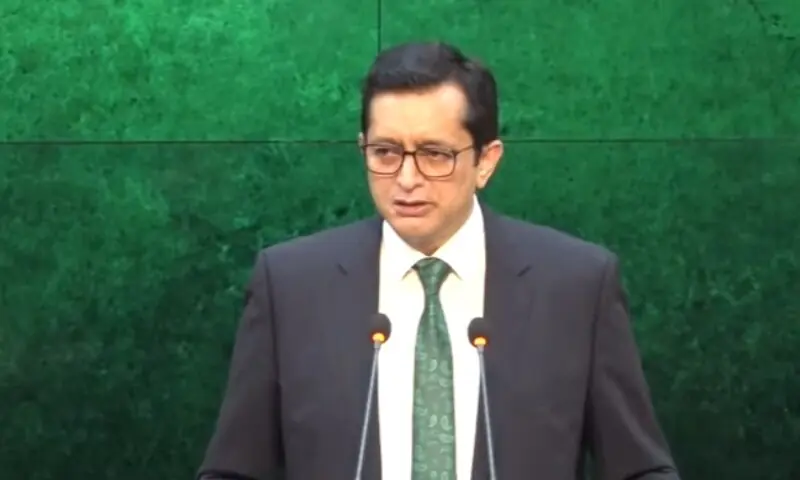
The Urumqi gathering was deliberately limited in scope. An anonymous Pakistani government official in the Ministry of Foreign Affairs said the meeting was not a mediating effort as such but an exchange of opinions regarding the most recent escalation. There were no significant results anticipated, but China was demanding confidence-building measures like the reopening of trade routes.
Islamabad did not want to make the meeting seem like a dilution of its military goals. Sources close to the process explained that it was not a mediation process but an extension of the already established trilateral process. The meeting does not imply any change in the policy of the Pakistani government towards Afghanistan, and that the actions against the terrorist groups will go on until all the goals are achieved.
The important point is that negotiations occurred at all. Pakistan, Afghanistan, and China launched the trilateral dialogue mechanism in 2017 to promote political trust, counterterrorism coordination, and economic integration. The last round of formal talks under the mechanism took place in Kabul in May 2025. This round was brokered by Beijing following the reported requests of Kabul to China to take Islamabad back to the table. That in itself will tell how central Chinese mediation has become to the management of this relationship.
Pakistan once again voiced its apprehensions about the existence of Tehreek-i-Taliban Pakistan (TTP) safe havens within Afghanistan. The representatives of the Afghan Taliban indicated that they would be willing to discuss these issues but insisted that TTP activities within Pakistan are not their direct concern. This is a familiar position. What changed this time is tone.
The Afghan side was willing to negotiate on a verifiable mechanism on some of the major demands of Pakistan and China on the TTP and the East Turkestan Islamic Movement (ETIM). China will have its stake in this. Beijing has feared the ETIM operations on the Afghan soil long enough to put pressure on Kabul to act beyond promises.
What the Numbers Show
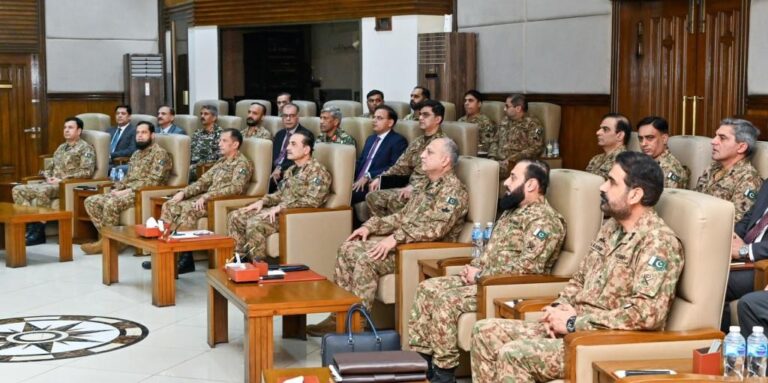
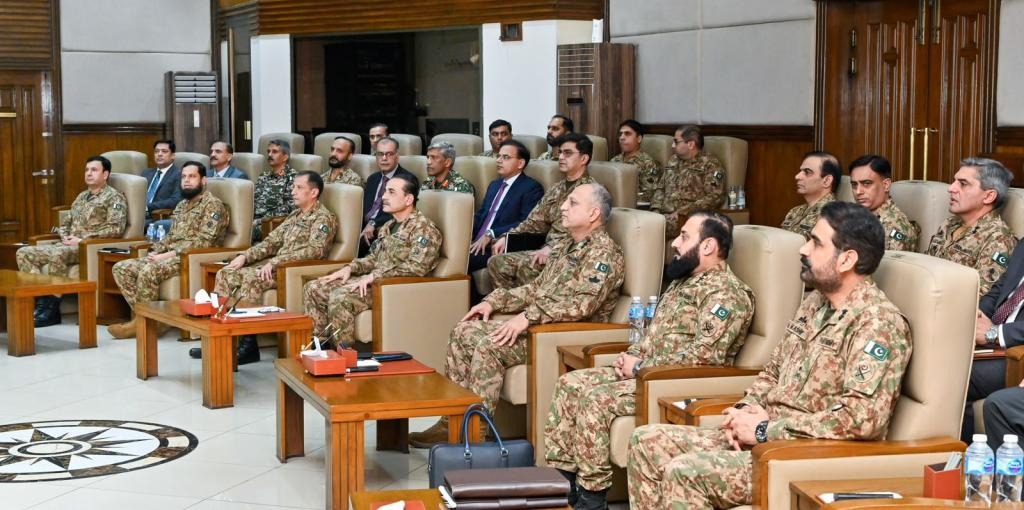
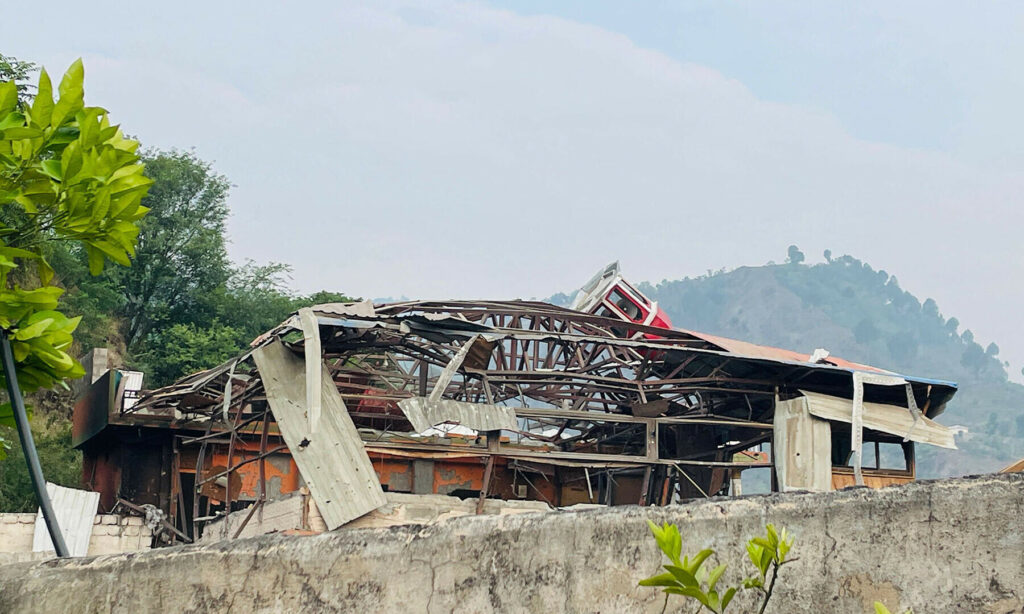
On the military side, March produced clear results. Based on the report released by PICSS, it states that there has been a major decline in the total casualties associated with militant violence after a surge of attacks in recent months. Security officials credit this development to increased military operations against militant networks, especially on the sensitive borders.
The data from Khyber Pakhtunkhwa is more specific. In a report prepared by KP police, 240 cases of terrorism were reported in the province before the commencement of the operation, with only 80 cases being reported since its inception, a reduction of 65%. By March 15, security forces had killed 684 Afghan Taliban operators and militants, and over 912 others were wounded. These figures indicate direct interference with militant operational capacity, which has been developed in years of cross-border activity.
The Global Terrorism Index 2026 ranks Pakistan as the most affected country. The country saw 1139 terrorism-related deaths and 1045 incidents in 2025, the highest in more than a decade, of which the outlawed TTP had committed more than half. March decline is a fact, but it is the result of an aggressive military conflict. It is not an expression of a structural cessation of the danger.
The cycle of terrorism cannot be handled by military pressure alone. The inconclusive Urumqi meeting indicates that there is still a reason to communicate. It is a bare minimum for any eventual resolution. Pakistan, for the time being, sustains military pressure on militant networks. At the same time, it keeps diplomatic channels open. The Urumqi talks and March’s security data show this dual approach is producing short-term results. Whether it produces anything durable depends on what Kabul actually delivers, not what it agrees to discuss.

Our Editorial Desk is the intellectual engine of Digital Debate, responsible for the rigorous research that anchors every conversation. Our team deep-dives into data, checks every source, and consults academic literature to move beyond headlines and identify the questions behind the questions.