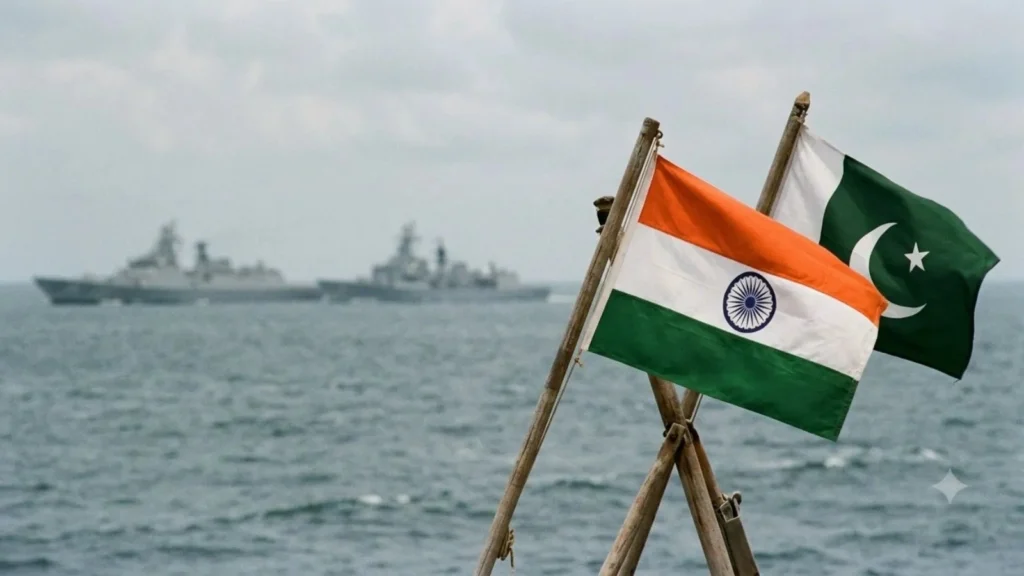
World Geopolitics is changing dramatically and swiftly, with the epicenter of power shifting from west to the booming markets of the East. The Indian Ocean is the center of this transition, a sea that holds the lifeblood of commerce in the world. To Pakistan, a country that is strategically located at the entrance to the Persian Gulf and the North Arabian Sea, this change is both a challenge and an opportunity of a lifetime. Pakistan is poised on the edge of a Blue Revolution, which will see the nation that has long ignored its coastline turn to one that looks upon the ocean as its main source of economic power.
The Staggering Gap Between Potential and Reality
The essence of this vision is that the maritime potential of Pakistan is estimated at an astounding $100 billion. Nevertheless, the present contribution of the maritime sector to the national GDP is only 1%. This oversight has been widely explained by the historical absence of political wisdom, a term employed to denote the inability of successive governments and legislatures to reflect maritime planning in their party programs or state planning. Whereas the peer countries, such as Malaysia, have been able to effectively harness their seas to produce 35% of their GDP. Pakistan has just started to codify its ambitions with the Comprehensive Maritime Policy 2025 and the Uraan Pakistan initiative, focused on a series of benchmarks towards Vision 2047.
Diversifying the Blue Economy
To unlock this potential of $100 billion, there is need to adopt a multi-sectoral approach that goes beyond mere port management. Modernization of fisheries sector would contribute between 6 and 7 billion on its own. Smaller neighboring countries such as Vietnam now excel in this field, earning more than $10 billion in developed aquaculture and shrimp rearing. Pakistan recently began such projects in South Punjab and Balochistan, although the size is still very small.
Moreover, the sea can be the solution to the energy crisis that has long bedeviled the industrial development of Pakistan. Offshore renewable energy, such as wind, tidal, and current energy development, has a far greater yield than other land-based renewable energy sources. A maritime wind turbine is capable of generating up to 24 megawatts, approximately eight times as much as terrestrial turbines, which can offer a sustainable and robust source of energy to the country in the future.
Strategic Neutrality and Naval Guardianship
Nevertheless, the shift to the maritime-based economy is not devoid of diplomatic complications. Pakistan is in a unique position, as it has vital relations with China, Iran, and the United States at the same time. To maneuver this multi-polar world, a policy of strategic neutrality is needed, so that the country is not dragged into bloc politics without securing its trade interests.
The operational framework of the Pakistan Navy is the spearhead of this policy, operating on the fact that 60% of Earth’s waters are international territory and therefore common ground. Through these regional patrols and anti-piracy operations, Pakistan has established itself as a provider of good governance in the North Arabian Sea, ensuring that sea lines of communication remain open for all, even during the increased tensions in the region.
Economic Resilience Through Digitalization
The pressing need for this maritime expansion is supported by the recent global logistics crises, including the disruptions of the Strait of Hormuz and the Red Sea. These crises have demonstrated the great importance of national shipping fleets. When foreign insurance companies charge enormous war risk premiums, the prices of imports soar high in countries that depend on foreign freight. In that case, owning its own oil tankers has already become a blessing to Pakistan, as it does not have to pay these surcharges while receiving the Gulf oil. This financial strength is one of the major motivators of the urge to revive the domestic shipping sector and shift towards an independent maritime setup.
Much of this development plan depends on the computerization and modernization of the maritime institutions in Pakistan. The world has shifted towards automated and efficient port operations, but most of the institutions in Pakistan still operate under legacy systems that allow for excessive human intervention. The one-window digital transition is necessary to attract foreign direct investment, and especially the Chinese investors who want to have a seamless banking and registration system. Although the process of digitalization might require the reorganization of the workforce, it is the sole way to get rid of corruption and to incorporate international standards in packaging, certification, and trade.
Gwadar Transshipment Opportunity
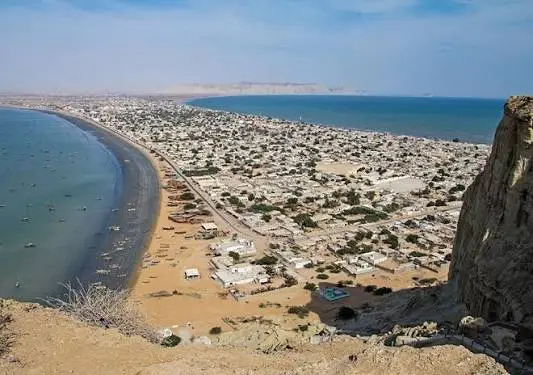
The role of the Gwadar Port remains central to this narrative, though it serves as a reminder of the consequences of delayed policy implementation. When Bab al-Mandeb Strait faced closures, a massive opportunity for transshipment emerged. Containers loaded on ships were urgently requiring temporary offloading areas- a service called transshipment. But had Gwadar been digitized and operationalized to international levels at that time, Pakistan would have earned billions of rent and services. Although Karachi Port and Port Qasim are currently shifting to fill this gap, the lesson is still evident in that in the maritime world, timing and preparedness are as precious as its resources.
Maritime Diplomacy
In addition to economics and security, the Pakistan Navy is involved in an advanced process of “Maritime Diplomacy” which serves as a medium of inter-cultural interaction. This soft power is executed in the form of humanitarian operations and combined exercises, such as the recent Exercise Aman, which involved more than 120 countries. Whether it was the rapid response to the tsunami in Sri Lanka or the provision of massive aid via sealift to Turkey after its devastating earthquake, Pakistan’s naval assets have consistently demonstrated that they are tools for peace and stability. These contacts not only ensure border security but also serve to promote Pakistani culture and create diplomatic capital in the long term.
Mapping the Road to Vision 2047
As Pakistan looks toward 2030 and eventually its vision 2047, the roadmap is clear. The nation must double its maritime revenue every five years, moving to a position of proactive leadership. It requires a shift of legislative thinking where the ocean is not just perceived as a border, but as an untapped, unfamiliar land with rare earth metals, energy potential, and world trade opportunities. With the inclusion of the 40+ sectors of the maritime economy, such as ship recycling to seaside tourism, Pakistan will finally have its status as an influential and responsible maritime state in the Indian Ocean.

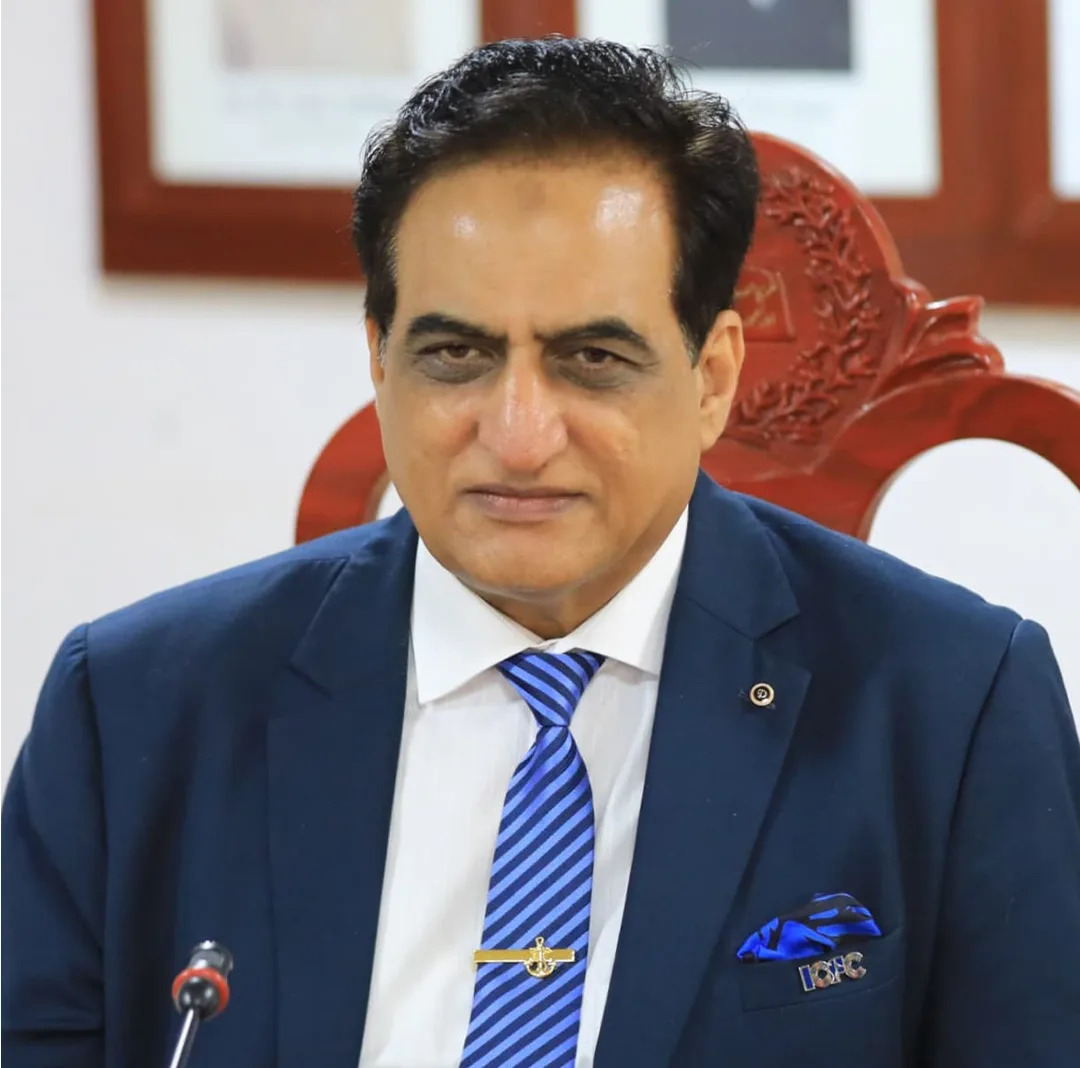
Vice Admiral (R) Dr. Ahmed Saeed is the former Chief of Staff of the Pakistan Navy and past President of the National Institute of Maritime Affairs (NIMA). A specialist in submarine operations and international maritime law, he has led major strategic projects, including the acquisition of Agosta 90B and Chinese submarines, and remains a key voice in South Asian maritime diplomacy.