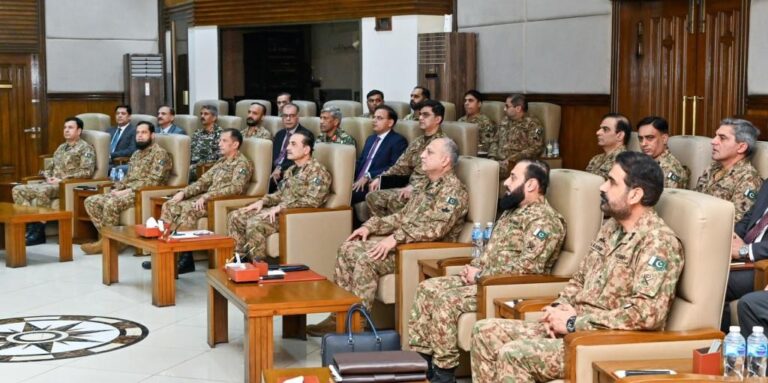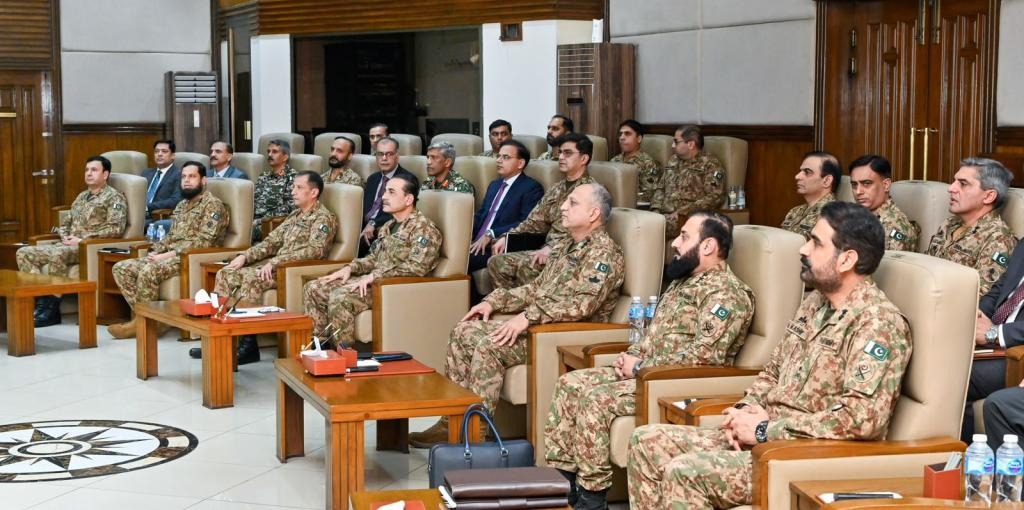
Each year, when the thunder of fighter planes and the rhythmic step of boots are heard in Islamabad, Pakistan stops to commemorate the most significant event in its history. March 23rd is not merely a date on a calendar or a day for military spectacle; it is the intellectual and political bedrock upon which the state was built. Known as Pakistan Day, it commemorates two distinct yet inseparable events, first the Lahore Resolution of 1940, and second, the adoption of the country’s first constitution in 1956, which officially made Pakistan the world’s first Islamic Republic.
The Resolution that Redefined a Subcontinent
The movement started in Minto Park, Lahore, where the All-India Muslim League gathered under the leadership of Quaid-e-Azam Muhammad Ali Jinnah. The Lahore Resolution, which was brought forward by A.K. Fazlul Huq, criticized the status quo by claiming Muslims were an independent nation deserving of their own sovereign state. This was the codification of the Two-Nation Theory, an idea that was inspired by the philosophical foresight of Allama Iqbal, who, a decade ago, had expressed the necessity of having a separate Muslim identity.
At the beginning of 1940, British India was in a state of great uncertainty. The declaration of the Muslim League was a radical break in modern politics; it changed the discussion to no longer wanting to be given some safeguards in a united India, but to insist on complete self-determination. This was not only a response to political marginalization but an active claim of a distinct cultural, legal, and spiritual self. The passing of the resolution gave the millions of Muslims in the subcontinent hope, uniting the voices of the different parts of the country into a powerful movement towards statehood. It was the first time that the question of Muslims was approached as an international issue of sovereignty instead of a national communal conflict.
From Dominion to Republic
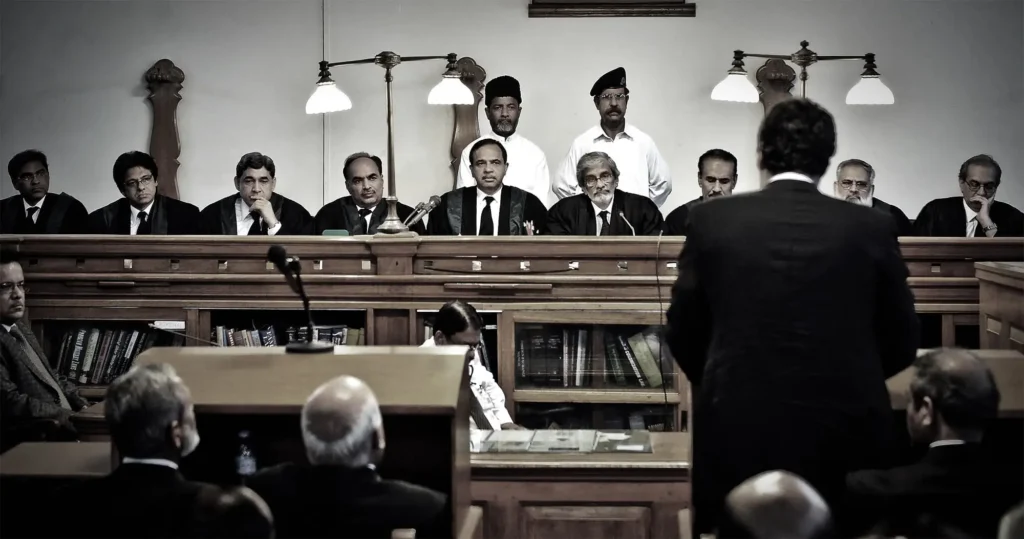
While 1940 provided the vision, March 23, 1956, provided the legal maturity. This day, nine years after gaining independence, Pakistan was no longer a British Dominion but a sovereign Republic. This change was essential; it marked the breaking of the colonial legal umbilical cord and developed the structure of self-rule. The 1956 Constitution attempted to reconcile the multifaceted ethnic and linguistic heterogeneity of the new country and to base the values of the Constitution on Islamic ideas about justice and equality.
This two-fold meaning renders March 23rd a Republic Day in the real sense. It reminds us that it was 1947 was the year of birth and 1956 was the year of constitutional adulthood. The Republic status was the statement to the world that Pakistan was a modern state able to make its own destiny with the help of the rule of law.
Although the historical context is inscribed in stone at the Iqbal Park, the contemporary celebration of March 23rd requires a thorough reflection. In the current times, when Pakistan is facing difficult economic crossroads and political polarization, the ethos of the resolution, which was founded on unity, faith, and discipline, is more applicable than ever.
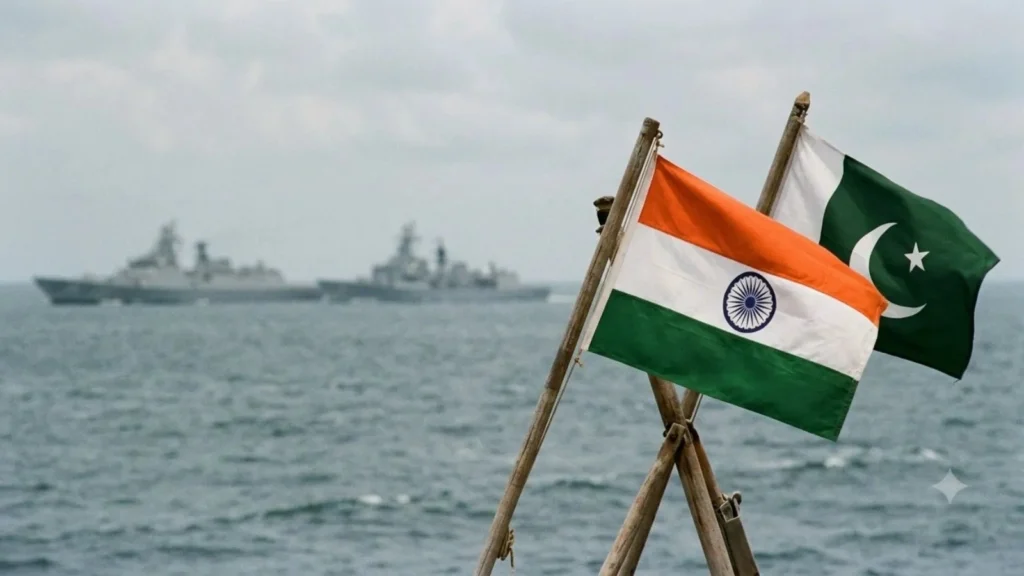
March 23rd should serve as an annual audit of our national progress. Are we moving closer to the independent states envisioned by our forefathers, where the rights of minorities are protected, and the voice of the citizen is heard? With the green and white flag flying high on the buildings today, it bears the burden of promise of a land, on which freedom is not merely the absence of colonial domination, but the existence of dignity to every citizen.

Our Editorial Desk is the intellectual engine of Digital Debate, responsible for the rigorous research that anchors every conversation. Our team deep-dives into data, checks every source, and consults academic literature to move beyond headlines and identify the questions behind the questions.