Afghanistan is at a disastrous crossroads with the failure of its internal systems colliding with a volatile regional environment. The gradual failure of the Afghan state has been a global spectacle over the years, though recent events, characterized by a rise in regional disputes, coupled with a deepening diplomatic isolation, have pushed the weak economy of the country to the verge. Status quo, as observed by diplomats at the United Nations Security Council, is not only unsustainable but a trigger to a larger regional conflagration.
A Neighborhood Under Strain
The main factor that has led to the present economic downfall in Afghanistan is its geographical location, positioned between a perfect storm of instability in the region. On the western side, the intensifying war involving Iran has had a devastating impact on the usual trade routes, making the passage of fundamental commodities highly unpredictable. On the eastern front, the ties with Pakistan are at an all-time low, characterized by a shift in diplomatic friction to active security operations on the border.
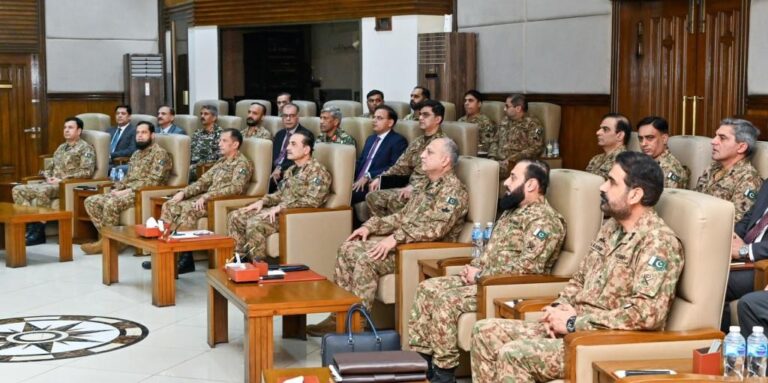
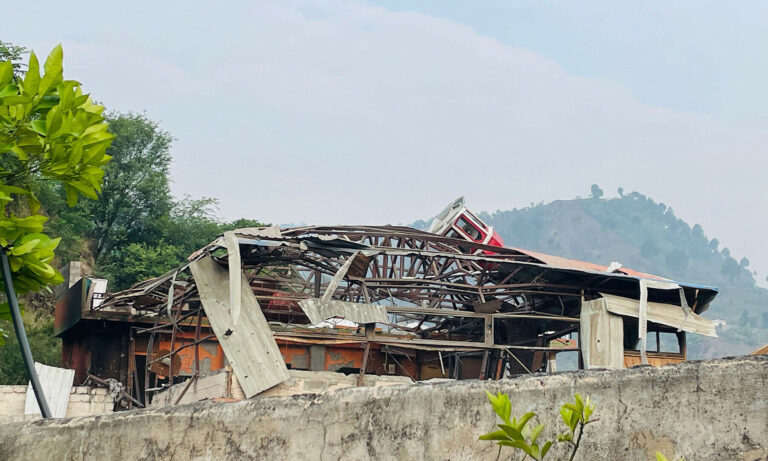
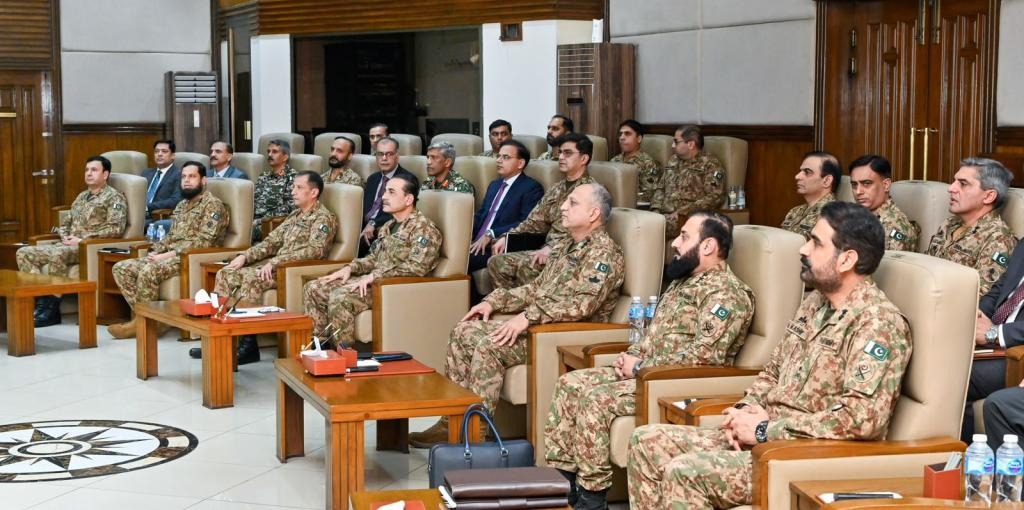
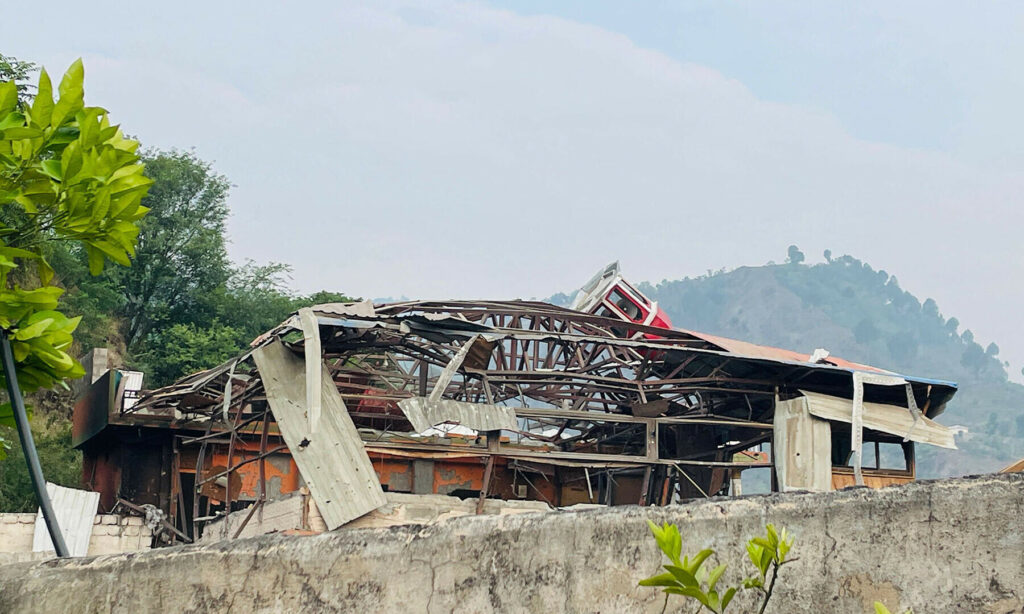
In the eyes of Islamabad, the escalation is a question of national survival. The military operations, such as Operation Ghazab lill Haq, have been framed as a response to a sudden increase in cross-border terrorism. Over the years, Pakistan has been pressing the de facto government in Kabul to keep its counterterrorism commitments and not allow its soil to be used as a refuge by groups such as the Tehreek-e-Taliban Pakistan (TTP). The border closures and retaliatory strikes were a byproduct of a worsening edgework failure between the two states when these diplomatic pleas were ignored. When these diplomatic pleas went unheeded, the resulting border closures and retaliatory strikes became a byproduct of a deepening bargaining failure between the two states.
But the economic repercussions of this security dilemma are catastrophic to the Afghan people. These external shocks are flooding an already weak economy, which was never completely decoupled from foreign aid dependency. The deportation of illegal immigrants by their neighboring nations has generated a two-fold crisis. Countries facing economic and security issues of their own are deporting populations to a country with insufficient infrastructure, food, and economic resources to sustain them.
The High Cost of Ideological Rigidity
Though the external forces and the security issues of the region play an important role, the most challenging obstacle to recovery is the internal policies of the de facto authorities. The recent extension of the UNAMA mandate by the Security Council shows a repetitive global plea, i.e., the restoration of women’s and girls’ rights. The prohibition of female national staff from serving in the UN is not simply a human rights violation, but an economic suicide note. By halting half the population as workforce and hindering the very institutions that are expected to keep the population alive, the current leadership is now placing ideological purity above the survival of the Afghan people.
The numbers are staggering. Humanitarian partners plan to reach 17.5 million Afghans in 2026, yet the Humanitarian Response Plan remains critically underfunded, currently hovering at just 10 percent of its target. The effectiveness of such programs is reduced at least two times without the active involvement of women in the economy and the delivery of aid. Moreover, the absence of a proper banking system and ongoing freeze of central bank assets have driven the prices of second-hand goods beyond the reach of the average citizen.
The global community, via the Doha Process, has tried to seek a compromise between isolation and recognition. But the days of wait-and-see diplomacy are over. To ensure that Afghanistan does not turn into a permanent black hole of poverty and militancy, a new regional construct is needed, one that acknowledges that a stable Afghan economy is the key to the security of all its neighbors.
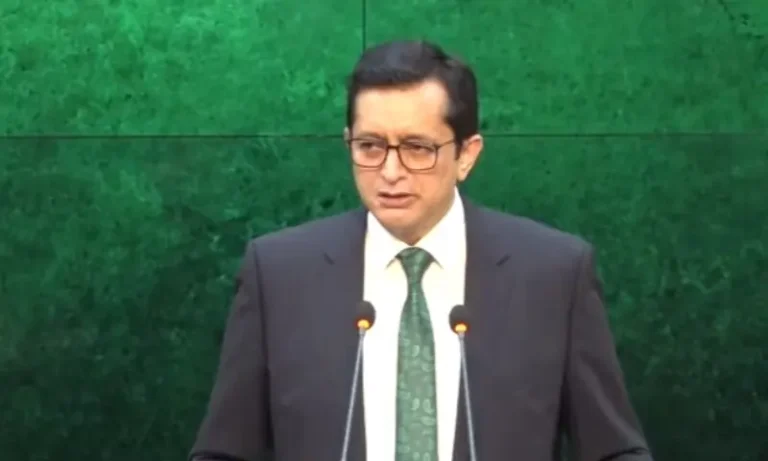
The security equities of neighboring states, such as Pakistan, are evident and justified, and they should be satisfied with a good-faith counter-terrorism collaboration by Kabul. On the other hand, the de facto governments should know that no mineral wealth can substitute the need for international legitimacy and the fundamental rights of its citizens. As long as confrontation is substituted with coordination, the fragile economy in Afghanistan will continue to be a victim of a regional crisis that no country can halt in isolation.

Our Editorial Desk is the intellectual engine of Digital Debate, responsible for the rigorous research that anchors every conversation. Our team deep-dives into data, checks every source, and consults academic literature to move beyond headlines and identify the questions behind the questions.