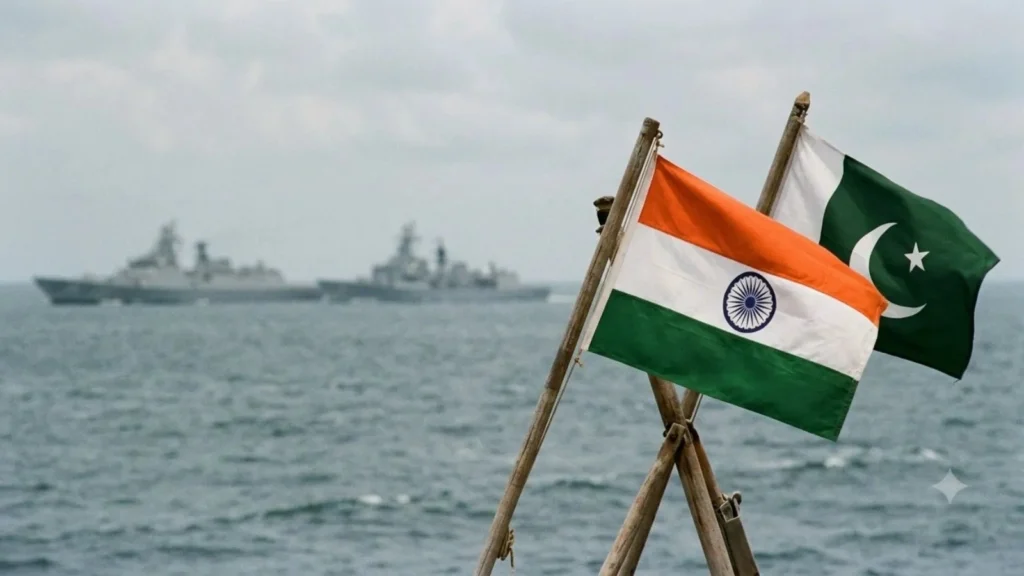
Silence in high stakes theater of West Asian geopolitics is often as loud as any official statement. With the region shuddering in the wake of the attacks by the United States and Israel on Iran, carried out on February 28, 2026, as part of Operation Epic Fury, India has responded in a piece of strategic selective neutrality. New Delhi has indicated that its regional priorities have changed decisively by not condemning the decapitation attacks that killed the Supreme Leader Ayatollah Ali Khamenei, but at the same time co-sponsoring a UN Security Council resolution against Iranian retaliation. This is no longer the balancing act; it is the emergence of a focused alignment designed to secure India’s energy and security interests at any cost.
Selective Condemnation and the New Alliances
The diplomatic contrast is stark. When US and Israeli missiles struck Tehran and Isfahan, the international community was divided, but India’s official stance remained muted, merely expressing “concern” and urging restraint. On March 11, 2026, India co-sponsored UNSC Resolution 2817, a Bahrain-led resolution denouncing the Iranian drone and missile attacks on Gulf Cooperation Council (GCC) states and Jordan. This resolution effectively disqualified the Iranian legal argument of self-defense, indicating that the international community, including India, believes that Iranian retaliation is a dangerous threat to the stability of the global economy and not a justified military action.
This inclination was structurally integrated in January 2026, when the UAE President, Sheikh Mohamed bin Zayed Al Nahyan, paid a visit to India. There was a landmark Strategic Defense Partnership signed between the two countries. This agreement, enabled by the recent SHANTI Act 2025 that allows foreign and domestic involvement in the nuclear industry, shifts the relationship to encompass co-operation in defense-manufacturing and civil nuclear activities. This alliance is an important counterbalance to the developing trilateral defense alliance between Turkey, Pakistan, and Saudi Arabia. India is building a strategic bridge by tying itself to the UAE, which bypasses the increasingly volatile Iranian transit routes.
The Sacrifice of the Golden Gateway
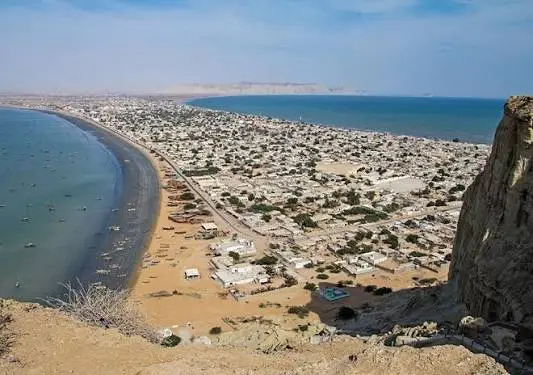
The greatest victim of this shift is the Chabahar Port that had previously been marketed as the golden gateway to landlocked Afghanistan and Central Asia by India. In its bid to avoid Pakistani territory, New Delhi invested millions in the Sistan-Baluchistan province over more than 10 years. But the 2026 war and the US threat of renewed tariffs have compelled an ugly cost-benefit examination. In mid-January 2026, it was reported that India had liquidated its $120 million stake in the project and resigned its board seats in India Ports Global Ltd (IPGL) to shield its entities from secondary sanctions.
The onset of the operation Epic Fury made the port operationally paralyzed. On March 1, the sinking of an Iranian corvette at a pier in Chabahar was confirmed by the US Central Command (CENTCOM) and made the commercial hub an actual battleground. India, a key US ally in the Middle East, has co-sponsored the resolution against Iran a few days after attacks, sending the signal that its years of investing in Iranian infrastructure are not worth risking a trade war with Washington.
The Death of Strategic Autonomy?
The refusal of India to join Russia and China in denouncing the US-Israel attacks, critics note, is the death of India’s strategic autonomy. The GCC Secretariat General pointed out that the adoption of the resolution by 136 states indicates a sense of collectivity conscience about the breach of sovereignty by the Iranian state. The danger to maritime routes in the Strait of Hormuz has rendered traditional neutrality a luxury. India is not merely following a Western lead by co-sponsoring the Bahrain-led resolution; it is also safeguarding the energy supply chains, which are the lifeline of its economy. The axis of India in this new age is determined by a cold-blooded, practical need to ensure that as West Asia burns, its own strategic interests remain fireproof.

Our Editorial Desk is the intellectual engine of Digital Debate, responsible for the rigorous research that anchors every conversation. Our team deep-dives into data, checks every source, and consults academic literature to move beyond headlines and identify the questions behind the questions.