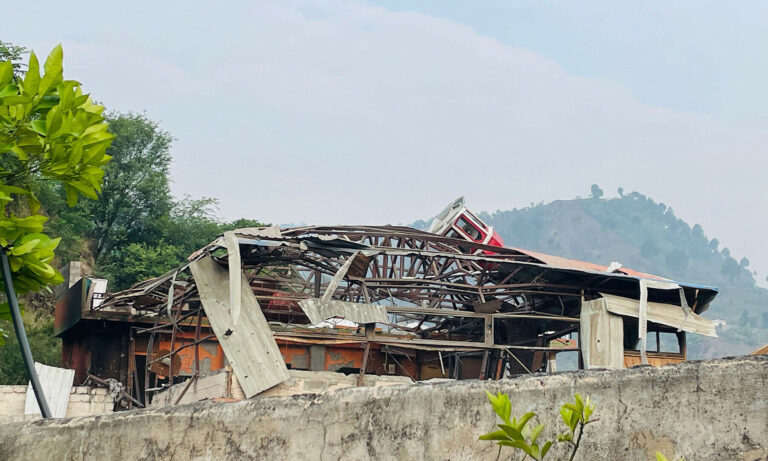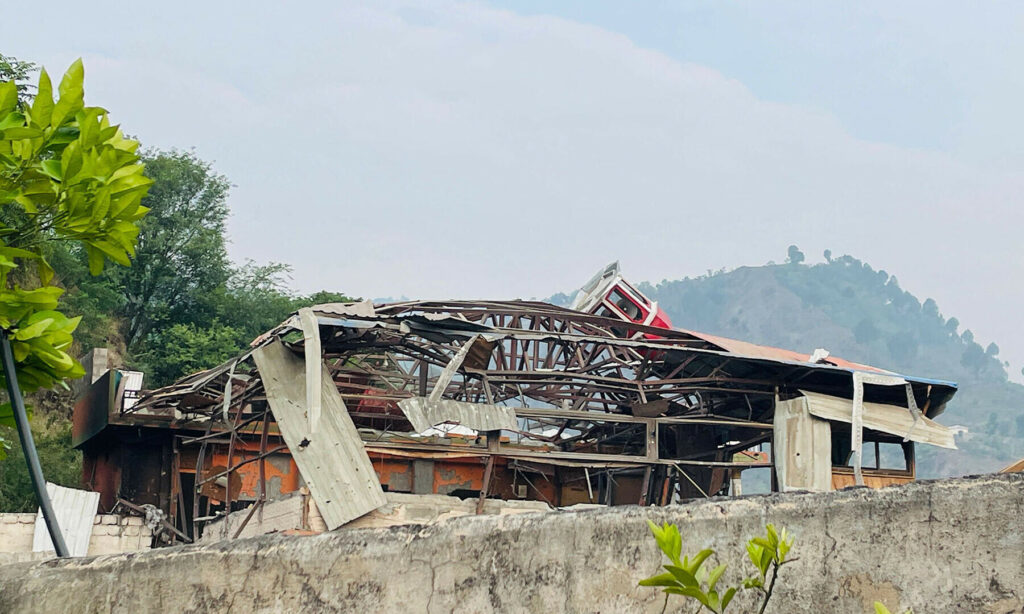
The volatile waters of the Persian Gulf are slowly turning into a geopolitical nightmare for the world. As the conflict between Iran, Israel, and the United States is escalating, the world’s energy security is effectively held hostage. The final tipping point was on Monday, March 2, when QatarEnergy, traditionally the most resilient LNG supplier in the world, was out of operation. On Wednesday, the state-owned giant formally declared Force Majeure to its affected buyers. This was not a decision, but an outcome. Iranian drone attacks on the industrial nerves of Ras Laffan Industrial City and Mesaieed Industrial City left production impossible, turning off the turbines that supply about 20% of the world’s liquefied natural gas.
A Market Under Siege
The Force Majeure declaration by QatarEnergy was the starter pistol of a global price race. European TTF natural gas benchmarks increased by almost 50% within hours of the news, and Asian spot prices (JKM) rose 39%. These spikes represent a market, taking into consideration the possibility of a protracted blockade of the Strait of Hormuz, through which one-fifth of the world’s oil and LNG supply passes normally.
Essentially, Force Majeure, a French term meaning “superior force”, is a legal clause that frees parties from liability and contractual obligations when an extraordinary event beyond their control, such as war, strikes, or “acts of God,” makes performance impossible. For QatarEnergy, this declaration is a shield against billions in potential lawsuits for failing to deliver promised gas to global utilities.
With Iran bordering the northern edge of this 21-mile-wide artery, the conflict has brought shipping to a near-standstill. For energy-hungry nations in Europe and Asia, the “LNG bridge” built to replace Russian gas has turned into a bridge to nowhere.
Geopolitical Fragility Unmasked
The Iran war has revealed a defect in the energy structure of the globe, which is the Single Chokepoint dependency. As opposed to oil, which sometimes could be diverted through pipelines across Saudi Arabia or the UAE, Qatari LNG is entirely reliant on the Strait of Hormuz.
This is a long-term crisis for the world economy. According to reports, even in the case hostilities ceased today, the technical destruction of Ras Laffan and the logistics of resuming the liquefaction work would create at least a one-month gap in the global supply chain. This has caused a flight to safety as buyers are desperately shifting to U.S. and Australian exporters, dividing the market between safe Atlantic gas and contested Gulf gas.
The Pakistan Paradox
The development of the Iran conflict and the following Qatari Force Majeure has, in a weird turn of economic destiny, provided Pakistan a way out of a deep and growing fiscal trap. For months, Pakistan has sought to defer 2026 cargoes due to weak domestic demand and high prices.
The Qatari suspension is a blessing in disguise for Pakistan’s balance of payments. The Force Majeure clause releases the state of any liability of Take-or-Pay in undelivered gas that it likely would have struggled to consume anyway. Although the government has enabled emergency contingency plans to revive local gas production, the crisis enables Islamabad to retain foreign exchange reserves that would otherwise have been spent on the excessive import of LNG.
The post-Hormuz Era
The 2026 crisis signifies the definitive end of the period where the Middle East was regarded as a reliable source of energy. The International Energy Agency (IEA) has observed that the fact that the world’s largest LNG complex was disrupted so easily by drone technology has rewritten the risk profile of all the largest utility companies on the globe.
We are entering an era of Energy Regionalism. Countries will no longer be focused on the cheapest per MMBtu; they will be concerned with the shortest and safest path. The Iran war has shown that in the era of precision warfare, a chokepoint is a liability that no economy could afford to bear.

Our Editorial Desk is the intellectual engine of Digital Debate, responsible for the rigorous research that anchors every conversation. Our team deep-dives into data, checks every source, and consults academic literature to move beyond headlines and identify the questions behind the questions.