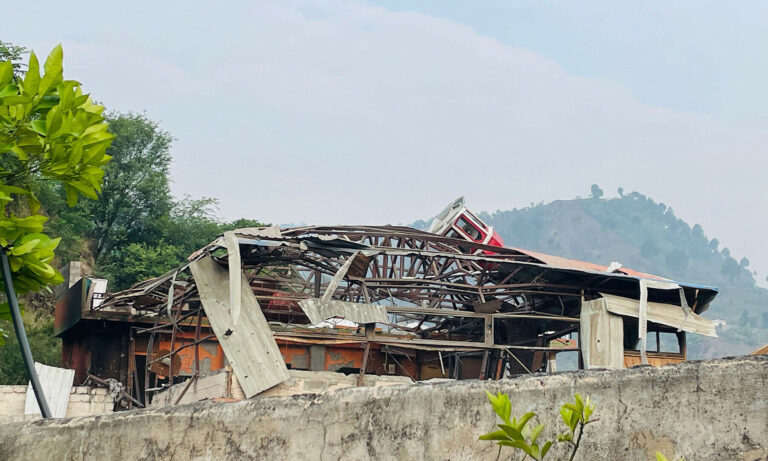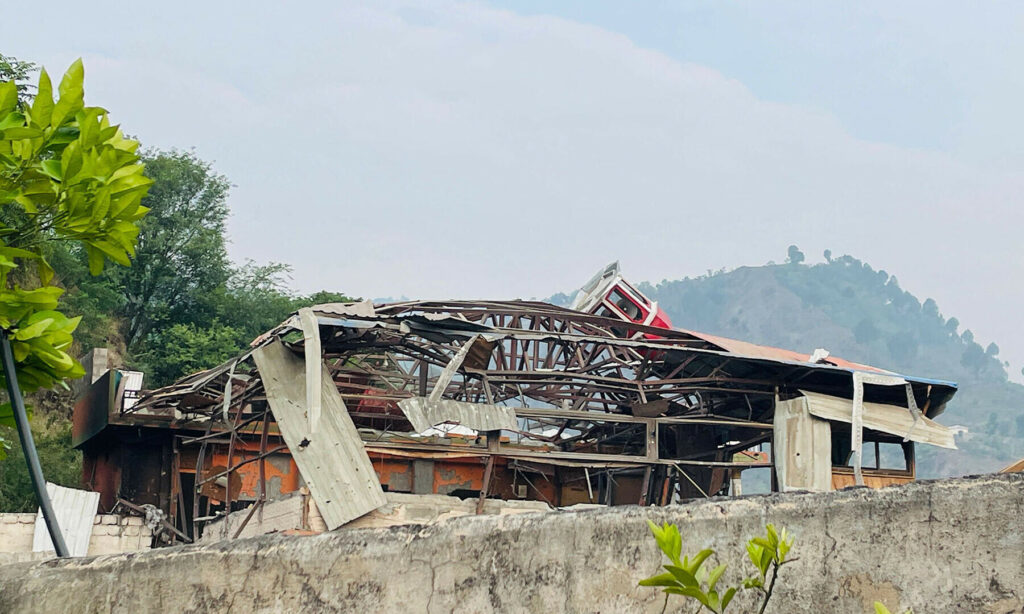
The geopolitical architecture of the Middle East and South Asia has undergone a structural collapse. On February 28, the long-smoldering shadow war between the West and the Islamic Republic of Iran broke out into high-intensity state-on-state warfare that has changed the world order fundamentally. The joint operation under the codename Operation Epic Fury by the United States and Operation Roaring Lion by the Israeli Defense Forces (IDF) resulted in the neutralization of 500 strategic targets within a few hours. This was not a warning shot; it was a decapitation strike. Iranian state media has since confirmed the destruction of the Supreme Leader’s compound in Tehran and the death of Ayatollah Ali Khamenei.
The Dawn of Warfare
The operation Epic Fury was a military execution that employed an intimidating mixture of traditional dominance and innovative technology. The Pentagon used its first swarm of drones in a special unit named Task Force Scorpion Strike. These attritable-capable assets were aimed at saturating the Iranian advanced air defenses with sheer numbers, giving room to precision cruise missiles and stealth bombers.
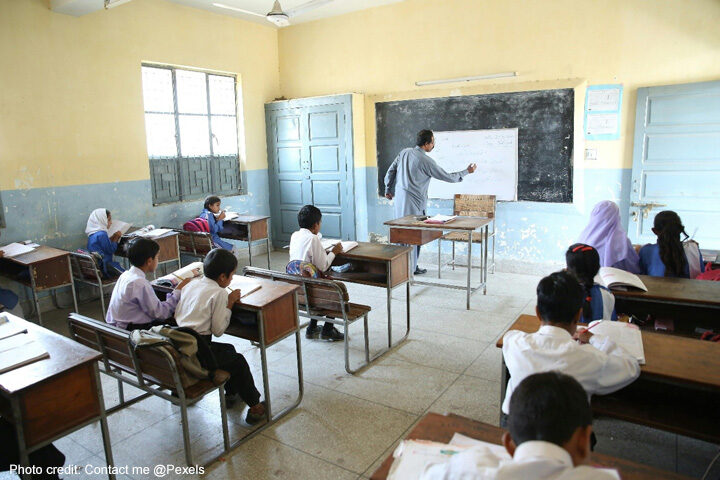
Although the main military targets were to destroy the Islamic Revolutionary Guard Corps (IRGC) structure and command-and-control locations, it resulted in a disastrous human cost. In the city of Minab, the Iranian Red Crescent reported a catastrophic missile impact on a primary school. The attack left 201 people dead, 165 of them children. UNESCO declared this a grave violation of international humanitarian law.
A Kinetic Chain Reaction
Iran’s reaction was immediate and bloody. Beyond the strategic patience of the past, Iran retaliated not only against Israel but against all the states of the Gulf Cooperation Council (GCC) that accommodated the US military installations. The UAE, Bahrain, Qatar, and Kuwait have confirmed the impact of missiles and drones.
This retaliation reached its economic peak with a direct strike at the Saudi Aramco Ras Tanura refinery. Being the largest refining center in the kingdom, the facility had to be totally shut down on a precautionary basis. The IRGC declared a no-pass policy on the Strait of Hormuz, the 21-mile-wide shipping canal through which a fifth of world oil and a third of world LNG pass. As tankers anchored in open water, the energy markets were opened with a $10 upswing, and Brent crude was pushed to about $82 per barrel. Analysts are now placing warnings of a $120 ceiling in the week, a price that would have threatened to bring a recession worldwide.
Pakistan in the Midst of War
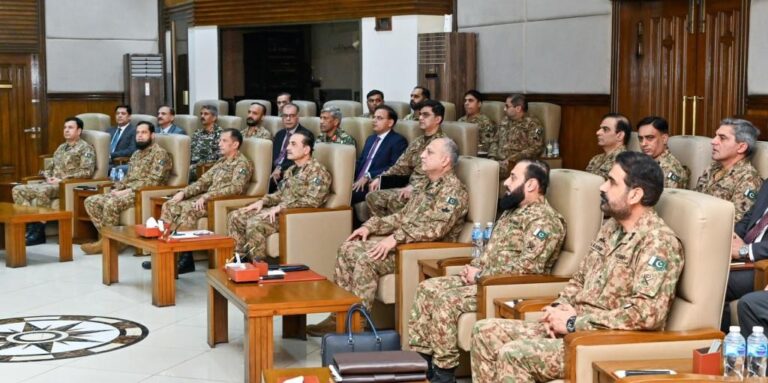
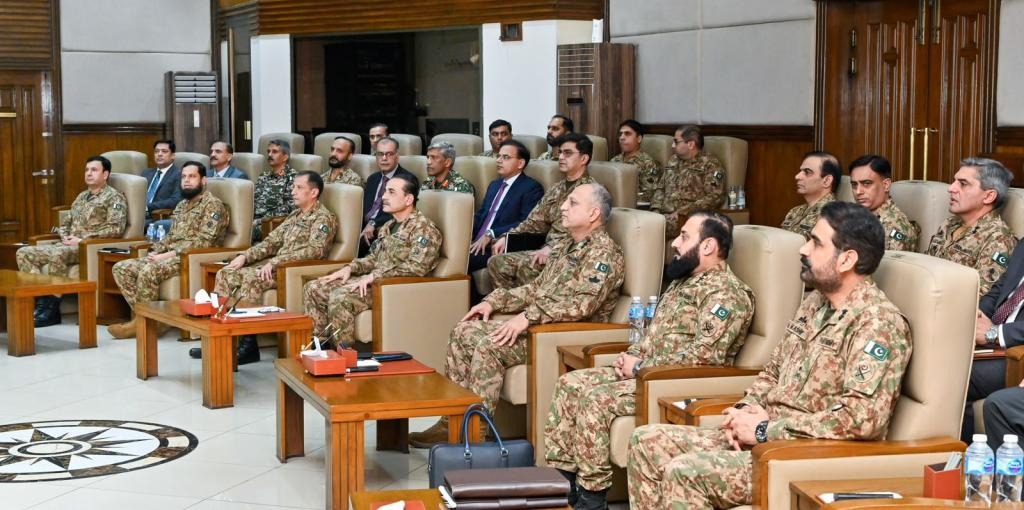
As the world watches Tehran, Pakistan is walking into a two-front crisis. On its western border, Islamabad is already at open war with the Afghan Taliban, but the Iranian fallout is threatening to tear its domestic fabric apart. The Ras Tanura upheaval is a direct blow to the fiscal heart of Pakistan. Saudi Arabia is a major importer of energy to Islamabad. The national power grid is already stretched to the limits, as 65% of its imported fuel relies on the Strait of Hormuz, which is sealed off.
Economists estimate that with each $10 increase in the price of oil, the current account deficit in Pakistan would increase by $2 billion. If crude hits the predicted $120 mark, a $7 billion deficit surge could utterly derail the fiscal targets mandated by the International Monetary Fund (IMF), potentially pushing the nuclear-armed nation toward default.
The Sectarian Powder Keg
The demise of Ayatollah Khamenei has sparked a blaze of internal unrest. The Shia people of Pakistan, who constitute 15-20 percent of the country, have responded with great sorrow and anger. In Karachi, the Mai Kolachi Road turned into a battlefield as a mob headed to the US Consulate, breaking outer defenses and burning the reception area down. The ensuing confrontation with the security agencies resulted in the death of 10 individuals.
The turmoil has already spread to Skardu and Gilgit. In Skardu, a United Nations office was burned, and a three-day curfew was declared by the local authorities to halt a full-scale sectarian uprising.
The Diplomatic Tightrope
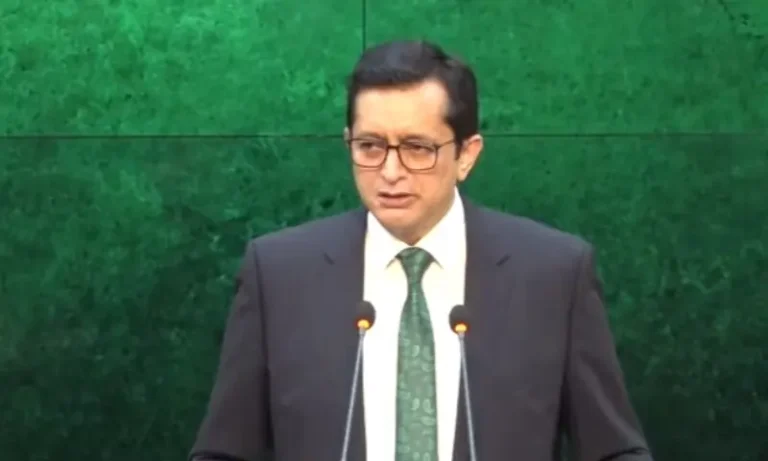
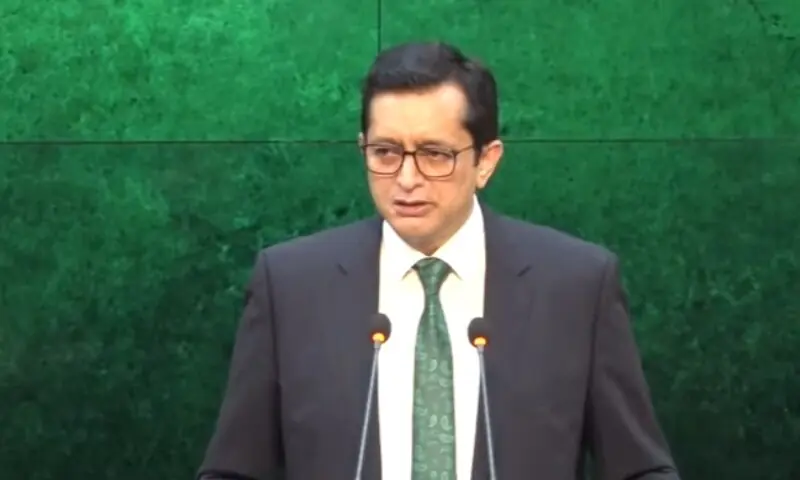
Islamabad is currently navigating a complex diplomatic landscape, maintaining a deliberate balancing act to safeguard its national interests. At the emergency session of the UN Security Council on February 28, Ambassador Asim Iftikhar Ahmad articulated a dual-track policy. While labelling the strikes on Iran as “unwarranted attacks in violation of international law,” he also expressed “resolute solidarity” with the GCC partners.
This nuanced approach reflects Pakistan’s vital stakes: the need to preserve stability along its border with Tehran while protecting the millions of Pakistanis in the Gulf whose remittances are essential to the domestic economy. The Ambassador also confirmed the death of a Pakistani national in the UAE during the Iranian retaliatory strikes.
The Testing Ground
The decapitation of the Iranian leadership has not provided the kind of stability some hawks in Washington and Tel Aviv could anticipate. It has instead disintegrated the regional structure, leaving the region unstable. The immediate task of Islamabad is obvious but daunting, as it has to find a way to maintain energy supply routes through a blockaded Hormuz. Also, it has to contain a growing civil war at home, while managing a border war with the Taliban. The coming days will determine whether Pakistan can remain a neutral observer in the wider Gulf war or if the gravity of the “Epic Fury” will pull the entire region into the abyss.

Sabookh Syed is a senior broadcast journalist, columnist for Daily Jang, and digital activist. Formerly a special correspondent for Geo News and a host at PTV, he is a specialist in social issues and investigative research, having contributed to international titles like The Siege and The Exile.