Over decades, the policy of Pakistan on its western border was characterized by Strategic Restraint- a doctrine of absorbing cross-border hits, declaring formal demarches, and letting a neighbor put aside a militant movement and become a responsible state. That era came to a definite end on February 27, 2026. International media, from the BBC to the Guardian, are now describing a Pakistan the world hasn’t seen in years: a nation that has fundamentally shifted from being reactive to being proactive.
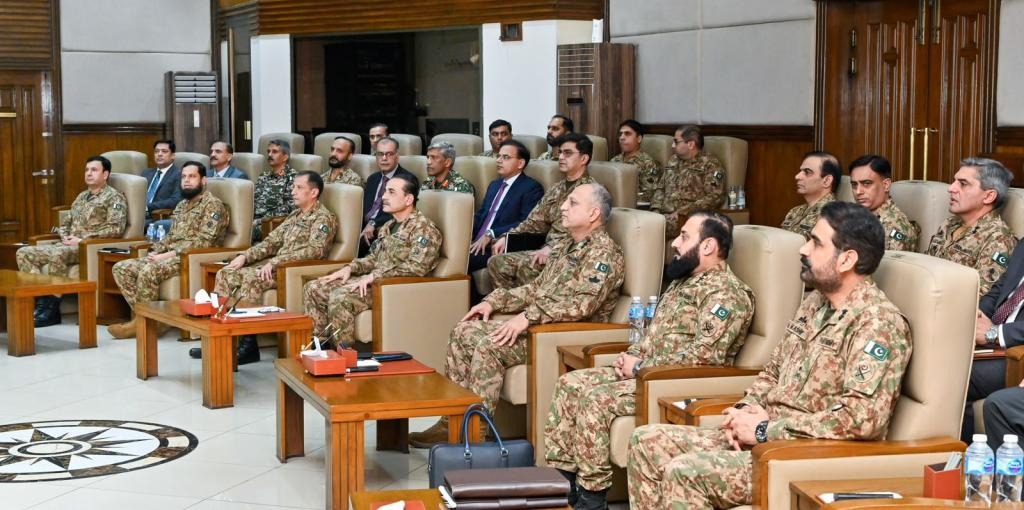
By attacking not only militant hideouts but the official military bases of the Afghan Taliban regime in Paktika, Kabul, and Kandahar, Islamabad has transformed the entire vocabulary of the war. It is no longer a localized counter-terrorism operation; it is, as security analysts have observed, a transition toward the language of conventional deterrence. Pakistan is now holding the regime itself directly accountable for the infrastructure of violence and the strategic depth it provides to groups like the TTP.
The Ground Reality of Operation Ghazab Lil Haq
The operation Ghazab Lil Haq (Wrath for Truth) is a calculated, intelligence-driven response to repeated provocations. The operation reached its highest point on February 27, 2026, with combined Air Force bombings and ground attacks. The Pakistani forces took control of the strategic location in the Shawwal sector and occupied posts in Angoor Adda and Zarmalan.
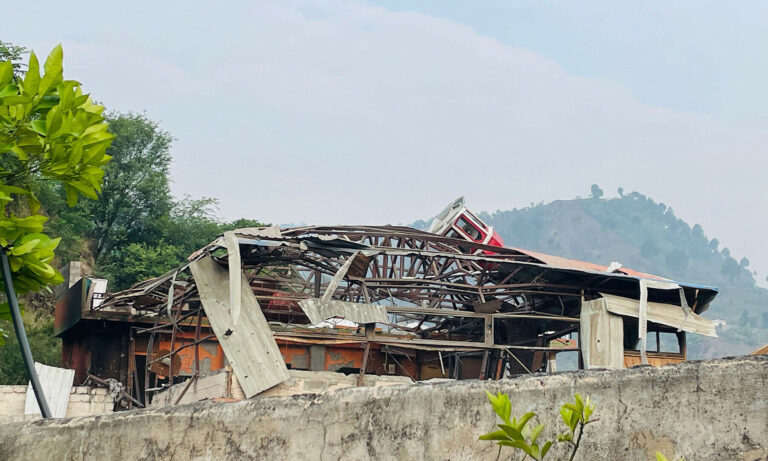
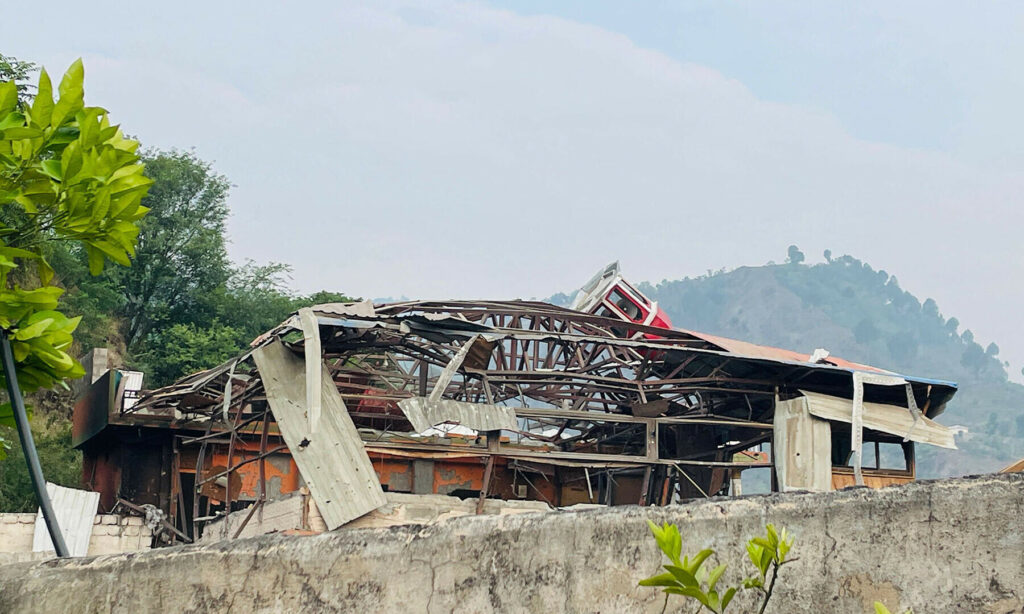
Accurate airstrikes neutralized Corps Headquarters in Paktika and Kandahar targets. Pakistani sources have confirmed that 435 Afghan Taliban fighters have died and more than 630 were wounded. Regarding hardware, 188 tanks, armored vehicles, and artillery guns have been destroyed, 188 check posts neutralized, and 31 others captured by Pakistani security forces. This destruction of the Kandahar logistics base and the Angoor Adda terminal was specifically designed to paralyze the ability of the opposing forces to sustain any further cross-border offensive. For the first time, reports have surfaced of white flags being waved at multiple Taliban posts along the Khost border, signaling the immediate psychological and tactical impact of this shift from defensive posturing to decisive action.
A significant strategic milestone was Pakistan’s devastating strikes on the Bagram Air Base. Recent satellite pictures revealed flattened warehouses at the base- the former nerve center of the 20-year war that the US had won and a major asset to the current regime. This confirmation reiterates the fact that Pakistan is currently aiming to strike the nerve centers of the military capability of the Taliban.
It has now formally entered into a state of Open War declared by the Pakistani Defence Ministry. The war has reached its fifth day of intensive kinetic fighting. According to security sources, Khogani base in the Nangarhar province has been destroyed successfully through an intense air operation. In addition, the intensive airstrikes in Jalalabad have also destroyed a key ammunition storage facility and an intelligence drone facility where the Afghan Taliban were storing their drones.
Countering the Disinformation War
Parelled with the real battlefield is an advanced digital war. Claims by a viral report by Tolo News that the Taliban had shot down a Pakistani F-16 were disproved a few hours later. Open-source intelligence (OSINT) and artificial intelligence robots, such as Grok, determined the footage to be fake, and the plane serial numbers were not any of the assets belonging to the PAF. NDTV and other outlets later clarified that these reports were false after the digital community exposed the fabrication
On the same note, Reuters found itself in the fake news crossfire after it published a gunfight video, which was in fact a 2024-gun show exhibition. The digital response of Pakistan has become more mature, and instead of mere denials, the state now offers technical evidence in real-time and satellite verification, which makes global agencies redraw their narratives and portray the true picture on the ground.
Internal Fractures in Kabul
To understand Kabul’s erratic behavior, one must look at the deep divide within the Taliban. To explain the erratic performance of Kabul, a person should consider the very gap in the Taliban. The Kandahari traditionalists, headed by Supreme Leader Hibatullah Akhundzada, prefer an isolated, ideologically inflexible state. On the other hand, the Kabul pragmatists, such as the Haqqani Network, possess the security machinery and desire the attention of the international community.
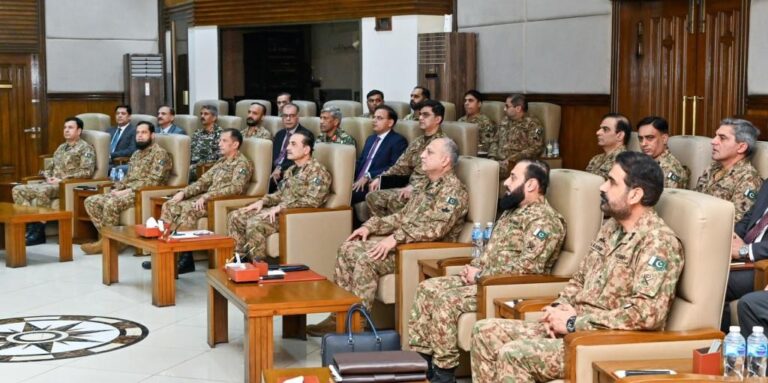
This struggle for power within indicates that there is no single command. As one side talks about diplomacy with Qatari mediators, another side fuels conflict on the border to keep internal militant credibility. It is this game of denial that led to the failure of the ceasefire in 2025; Pakistan no longer wants to be a hostage to a regime unable or unwilling to bring its own factions into control. According to senior Pakistani security officials, Operation Ghazab Lil Haq has not ended and will proceed until its aims are met, i.e., the need for verifiable guarantees of the Kabul regime.
The Strategic Reset
The world is watching with concern as the UN warns of increasing civilian casualties and humanitarian impacts. As Iran, Russia, and China have volunteered to mediate or to restrain, the United States has recognized Pakistan’s right to self-defence against terrorist safe havens. Operation Ghazab Lil Haq is not just a military operation, but it is a Strategic Reset. Pakistan has shifted from being a passive participant in cross-border instability to a state of complete desire to defend its borders. The message to Kabul is clear that the cost of providing strategic depth to terrorists is now higher than any regime can afford to pay.

Ammar Azam is an IR scholar and professional translator with a dual background in Electrical Engineering and International Relations. A former Communications Officer for Les Médecins and translator for AKRSP, he specializes in analyzing South Asian regional dynamics through a lens of cultural history and strategic theory.