
In a world where climate change is often presented as a series of dry statistics and daunting headlines, a new movement is taking root in Pakistan, i.e., Climate Gaming. With the country experiencing more and more dire environmental emergencies, between the devastating floods in Swat and the worsening air conditions in Islamabad, an interactive approach to education is being taken through the “Climate Fresk” initiative.
The fundamental issue is not the fact that climate change is a physical danger, but that there is a general lack of knowledge about its causes, consequences, and the personal role individuals play in the crisis. Climate gaming aims to fill this knowledge gap by transforming passive listeners into active participants, breaking a cycle of soundbite learning and engaging with a scientific, cause-and-effect understanding of the planet’s systems.
Why Gaming Works
Conventional presentation methods are usually not very engaging, especially when it comes to the abstract nature of atmospheric science. Most individuals are playing with their phones and scrolling through their social media by the fifth slide of a typical PowerPoint. Nonetheless, games are social and interactive.
The “Climate Fresk” model, first created by a French NGO, has a card-based format where participants have to arrange factors of climate change in a rational order. The participants map out the science in a 60-minute quick-fire session, or a more detailed 2.5-hour workshop. They observe how the emission of carbon dioxide causes warming of oceans, which in turn changes the monsoon patterns and results in flash floods. Science is made realistic by connecting these cards physically. The approach has already been experimented with in Pakistan with various audiences, such as police officers, architects, doctors, and students, and it has already been proven that gamification is a universal learning tool in complex learning.
From Police to Clergy
One thing to note is the connection between climate change and the daily operations of seemingly unrelated sectors. In a workshop with the National Police Bureau, officers initially questioned what climate change had to do with policing. They realized the key interrelationships that influence law and order through simulation. An example of this is timber smuggling that results in deforestation, which leads to landslides and damages local infrastructure.
Moreover, the extreme weather produces internal displacement, resulting in unplanned, fast urbanization that is a known contributor to urban crime and management crises. Even the physical structure of the state is threatened; excessive heat in overcrowded and ill-designed jails is a human rights and health risk, and the police have to control it.
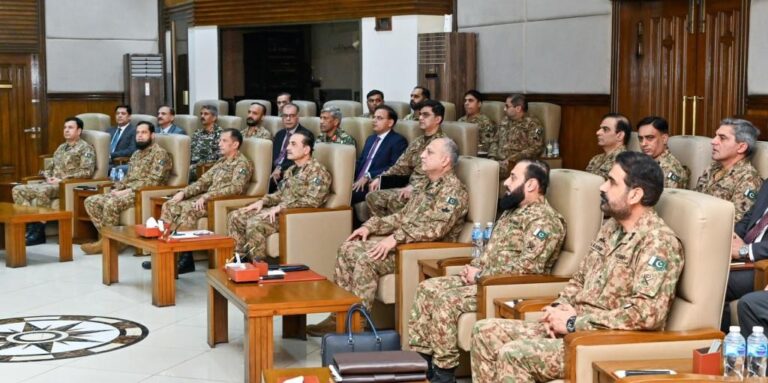
In addition to the security, the potential of religious leaders (Ulema) must be exploited. In a nation where the mosque serves as a focal point of the community, the Imams can impact behavior more than a government brochure can. By positioning climate protection as a moral and religious obligation, such as by promoting water conservation during Wudu (ablution) or talking about the prophetic traditions of environmental responsibility, the movement can access millions of people who would normally feel intimidated by academic language.
Debunking the “1% Narrative” and the Cost of Inaction
A common phrase in Pakistan is that the country contributes less than 1% to global greenhouse gas emissions, leading to a self-defeating narrative that local action is futile. The country experiences localized environmental degradation and the huge economic price of neglecting it. One appalling statistic is that within a span of one hour in the recent floods in Swat, the region lost an estimated amount of 900 billion rupees.
The air in Islamabad is not unhealthy due to global emissions only; it is the direct consequence of the local construction dust, real estate development, and the clearing of urban forests. While Pakistan is indeed a victim of global trends, many of its wounds are self-inflicted through consumerism and the climate mafia of narrow drainage channels being blocked by illegal construction. The tragedy in Swat was worsened by construction over natural courses of water, as is still the case in Rawalpindi, Sindh, and the whole country.
Industry-Specific Roles
There are particular roles that the big industries of Pakistan can play in climate change. The textile industry, in particular, is an important sector of the economy but a significant source of pollution from fast fashion and chemical waste. As the world markets shift to the compulsory Green Labels, Pakistani exporters will have to either change with the times or lose their market share.
Likewise, the IT sector is being driven towards “Green IT”, optimization of code and hardware towards energy efficiency. The construction sector is the most acute problem as it has to be constructed according to the climate that is no longer what it used to be 50 years ago. Present designs do not consider the extreme temperatures and unexpected rainfall that are now the new reality.
The Future
Looking toward 2036, a bleak picture is seen if current trends continue. The youth are experiencing the “Climate Change Fatigue” as they are already in a state of political instability and unemployment, only to have the existential burden of climate change placed upon them. Without intervention, Pakistan will have a future of mass internal migration, permanent food insecurity, and green corruption, where international climate funds might be diverted from their intended purposes.
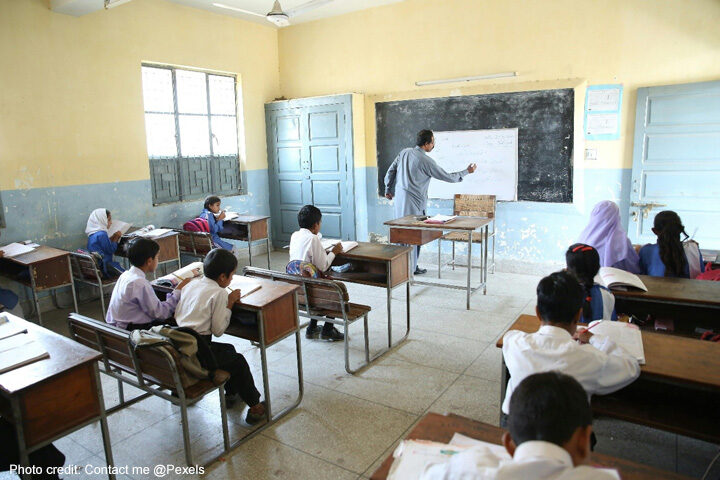
But the answer is empowerment. Pakistan can cease being a victim of climate change and become a leader by using technology and gaming to educate the next generation about climate change. This involves the shift to sustainable exports and exploiting the concept of a Green Army by using the military’s role as first responders to create dedicated climate task forces. Furthermore, there is a deep need for preserving ancestral wisdom, re-learning how elders kept homes cool with natural ventilation and managed water efficiently without the excessive energy consumption of modern life.
Conclusion
Climate change is an existential crisis to Pakistan, yet as long as there exists a problem, there exists a solution. People need to realize that this is their land and its safeguarding will begin with the realization that each individual, whether the IT expert or the local farmer, will have a critical role to play in the simulation of our survival. It is no longer about playing a game, but about applying the knowledge gained in the game to the next generation, so that they can have a liveable future.

Umar Sheraz is a social change researcher and foresight practitioner who operates at the intersection of academic and commercial practice to explore alternative future strategies. Through his work with COMSATS University and various international NGOs, he provides consultancy and training designed to help organizations envision and achieve preferable futures.