The theater of war has changed in the modern international arena. Although conventional weapons such as guns and missiles are still useful, the more powerful conflicts of the modern age are fought in the sphere of ideas, visions, and stories. To a country such as Pakistan, this change poses a deep challenge. The nation is now facing a narrative crisis, a lack of success in crafting a unified, honest, and contemporary narrative that appeals to its citizens, especially its youth demographic.
Defining Narrative vs Propaganda
The key focus in interpreting this crisis is the difference between a real national narrative and propaganda. National narrative is the systematic arrangement of goals, manifesto, and plans of the country. It is anchored with seriousness, sincerity, and a deep-seated connection to one’s community and heritage. It is what a nation narrates to itself and the world about who it is and where it is heading.
Propaganda, on the contrary, is the instrument of people with no genuine aims. It is constructed to deceive, and mostly it makes use of surface instead of the historical and cultural backgrounds that anchor an authentic story. The threat to any nation is that, in case a state does not narrate its own history honestly, external forces or radical forces will fill in the gap with their own versions of reality.
The Missing Culture of Dialogue
The greatest disconnect that has been observed in Pakistani society is the lack of constructive communication- not among individuals, but between the state and citizens. The intellectual spaces, in which thoughtful dialogue may occur, do not exist or fail to influence the grassroots level.
This absence of dialogue has created a vacuum. Young people who challenge authority, be it the state, religious clergy, or education system, are labeled as a traitor, apostate, or disrespectful. This suppression of questioning is not conducive to loyalty, but to perplexity and resentment. A contemporary story cannot be imposed in the form of a lecture or official slogan; it should be created within a culture where questions are welcomed, and disagreements are handled with intellectual maturity.
The Failure of Institutions
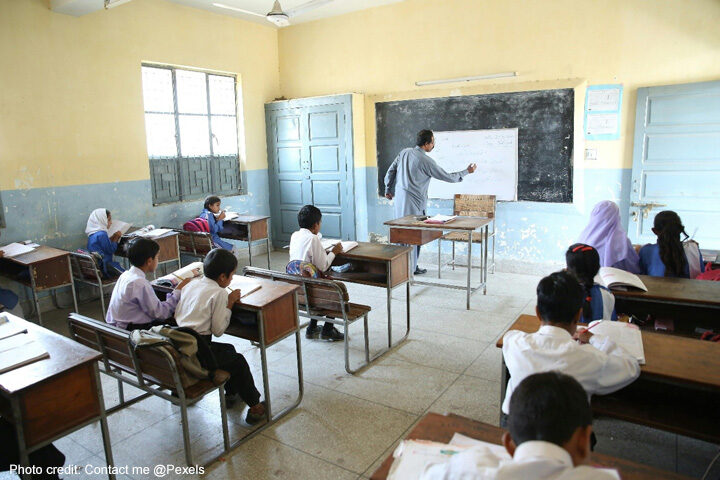
Narrative building is driven mainly in the educational and media sectors, which, however, seem to be failing. Higher Education Commission (HEC), despite its massive reach, has failed to provide a clear vision or practical wisdom to the millions of students under its umbrella. The curriculum is not aligned with the emerging questions of the young generation, leaving them vulnerable to extremist ideologies available on the internet.
The media have also failed to build a national narrative. Instead of emphasizing national issues of concern or offering some form of mindset to move forward, mainstream media tends to focus more on sensations, such as truck crashes and minor offenses, as opposed to serious discourse. Without good content on television and in newspapers, the young people have turned to social media, where they are inundated with two opposing yet equally hazardous discourses, i.e., religious extremism and narrow ethnic nationalism.
The Convergence of Extremism and Nationalism
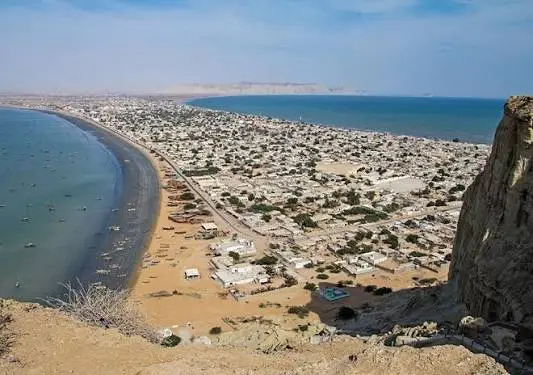
One of the intriguing and disturbing facts is the strategic partnership of ideological opponents. Militant religious organizations have been known to be allied with hardcore secular nationalist separatists in regions such as Balochistan. They have different ideologies, but they are all directed to the same target, the state. This intersection demonstrates a severe breakdown in the state’s inability to offer an inclusive discourse.
Young individuals who believe that the central authority does not safeguard their economic interests or cultural identities are prone to being attracted by an ideologized form of nationalism or a radical interpretation of religions. To illustrate, some have framed the Pashtun identity as conflicting with the Pakistani state. The reality of integration is, however, that Pashtuns are firmly entrenched in the economic and social structures of such cities as Karachi, Lahore, and Islamabad. An authentic account needs to underscore these integration and economic interdependence success stories to reverse the pull of separatist discourse.
The Potential of the Youth Force
Pakistan has a youth force that is both a challenge and an immense opportunity. These are not just confused children; they are intelligent, reasonable men and women who belong to book clubs and discussion groups and are trying to find answers to the profound questions of philosophy and world affairs.
The tragedy here is that most of these youths believe that the only way to achieve success is to move out of the country. Families are selling their possessions, such as land, jewels, and houses, to raise millions of rupees to get a visa and send their children to work in foreign countries to send back small remittances. If even a fraction of that capital and energy were invested domestically, particularly in the digital economy, the growth potential would be staggering.
Toward a Modern Narrative
The national narrative in Pakistan needs to be transformed fundamentally to shift towards a capable and modern approach. To begin with, it needs to be made inclusive by recognizing the differences in ethnic and religious identities within the country and stressing their common economic and social concerns. This involves going beyond a top-down approach and embracing a dialogic model that listens to the questions of the youth without fear and condemnation.
The national identity that is currently being enveloped by the fog of confusion can be lifted only through a devotion to truth and dialogue. It is easy to develop a motorway or an infrastructure project; the challenge lies in developing a common mental map of 240 million people. Empowerment of the young generation should be the first stone of this new story, not with slogans, but with real support, building confidence, and creating local opportunities that would make it more preferable to remain in Pakistan than to leave. In the end, the future of Pakistan will not be fought on a physical battlefield, but in the schools, the media, and the digital places where the new generation is seeking a narrative to believe in.
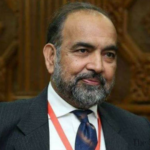
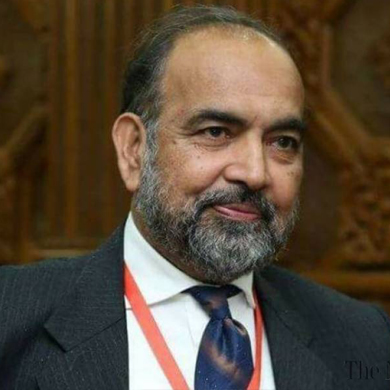
Dr. Qibla Ayaz is a former Chairman of the Council of Islamic Ideology and a current ad-hoc member of the Shariat Appellate Bench of the Supreme Court. A veteran academic and recipient of the Tamgha-e-Imtiaz, he specializes in interfaith dialogue, conflict resolution, and the alignment of contemporary laws with Islamic principles.