On February 12, 2026, Bangladesh is set to hold its most significant election in the nation’s fifty-year history. It is not just a vote for a new parliament, but a national referendum on the country’s soul. Following eighteen months of transition under Nobel laureate Muhammad Yunus, the “Monsoon Revolution” of 2024 has culminated in a high-stakes contest that marks the definitive end of the Awami League’s (AL) decade-and-a-half dominance and the start of an unpredictable new chapter. This joint election and referendum are the first of their kind in history, which will decide not only who rules, but the very framework of how power is exercised.
The Reconfigured Political Landscape
The Awami League is not on the ballot for the first time in more than thirty years. The disappearance of the AL, which was banned in 2025 after the July massacre, has collapsed the traditional two-party system of Bangladeshi politics. Instead, it has given rise to a new and unstable form of rivalry between two old allies, i.e., the Bangladesh Nationalist Party (BNP) and a new opposition led by an Islamist coalition.
The BNP, now headed by the recently returned Tarique Rahman, started as the favorite in the race, due to its extensive network in the grassroots and its opposition to the Hasina regime over the years. It is, however, surprisingly challenged by a Third Front, an alliance between the largest Islamist party in the country, Jamaat-e-Islami, and the student-led National Citizen Party (NCP). This alliance is aiming to win the vote of the young generation by integrating religious identity with the anti-establishment spirit of the 2024 uprising.
The Referendum: Voting for the July Charter
This election is also unique because it coincides with a constitutional referendum. Voters are giving a Yes/No vote on the July Charter, a set of reforms sponsored by the Yunus administration. This particular form of the ballot is a sort of bundled mandate; instead of casting a ballot on each of the amendments separately, voters are required to vote on the whole package of more than 80 amendments as a whole.
The Charter suggests drastic reforms in the structure of the state, beginning with the introduction of strong prime ministerial term limits, a two-term limit that is aimed at preventing autocratic re-entry. In addition to term limits, the Charter aims at increasing presidential powers to provide a balance to the executive branch and prevent winner-takes-all rule. It also provides formal means of judicial independence to isolate the courts against political interference and also provides a shift towards proportional representation. This new electoral system is designed to make sure that the voice of the minority and minor political parties is well represented in the Jatiya Sangsad. A Yes-vote grants the new parliament a 180-day deadline on codification of these reforms, whereas a No-vote may put the country back into the cycle of clientelism.
The Economic and Security Crisis
Although the high-level discourse is dominated by the July Charter, the cost-of-living crisis moves the average voter. The interim government inherited an economy in shambles, and even though Yunus has an international reputation, the inflation problems are still enduring. The garment industry has suffered the most impact under this economic pressure due to the labor violence and closure of factories that have threatened the main export vehicle of the country.
The unpredictability has also deterred foreign investment, which has dropped drastically because international markets are still cautious. In line with the economic struggle is a precarious security environment. Human Rights Watch reports that the transition has been characterized by a disturbing level of mob violence and arbitrary arrests of alleged political opponents that casts a huge shadow on the security of the election process.
The India-Pakistan-China Triangle
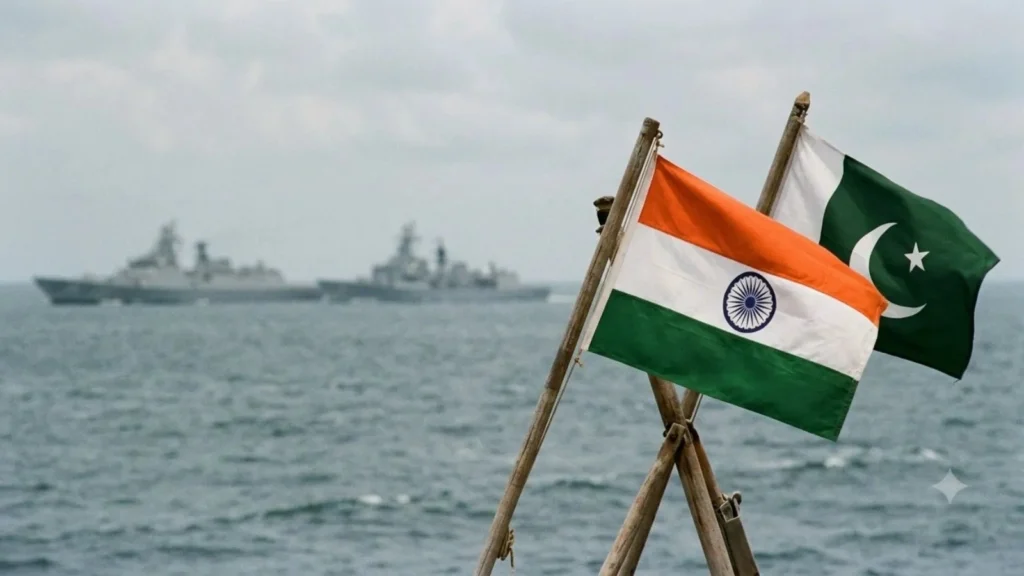
The international community is holding its breath. India, having had a fifteen-year-long Hasina-centric foreign policy, is currently confronted with a more critical Bangladesh about New Delhi. Bilateral relations have already entered a full-blown crisis, with both sides having suspended their visas, trade friction, and an utter increase in anti-India sentiment after the previous regime fell. On the other hand, there has been a tactical improvement in relations with Pakistan and China. The interim government has endeavored to diversify its regional relations, some of which include maritime trade ties with Pakistan, infrastructure development with China, among others, in a bid to lessen what it terms as Indian hegemony, changing the power balance in South Asia.
The Gen Z Factor
The 2026 vote is the first national poll of the world that is inspired by Gen Z. The young population, who grew up under Hasina’s oppression, makes up almost half of the 127 million registered voters with a median age of 26. Their systemic change and not just a change in leaders have compelled the traditional parties to evolve. Though young, the NCP is the heir to this movement, challenging the old patronage machines and demanding a new world of meritocracy.
A Fragile New Beginning
Once the first results start coming in, the key consideration is not only who is the winner, but also whether the process was genuine enough to be accepted by every side involved. To Muhammad Yunus, the election is the climax of his doctrine of necessity. To the people of Bangladesh, it is a chance to prove that they can move beyond the Hasina era and make a state as strong as the students who struggled to create it. The question of whether the next government will focus on the reforms of the July Charter or go back to the patronage politics of the past is what defines the uncertainty of the 2026 cycle.

Our Editorial Desk is the intellectual engine of Digital Debate, responsible for the rigorous research that anchors every conversation. Our team deep-dives into data, checks every source, and consults academic literature to move beyond headlines and identify the questions behind the questions.