Over decades, the Kashmir problem has been a permanent element of the international diplomatic agenda, which has been repeatedly defined by the United Nations Security Council as a possible nuclear flash point. However, there has in the past few years been a strange and silent silence that has settled down over the region. As the intricate layers of this open jail are stripped away, revealing a reality of strategic lobbying, demographic engineering and a methodical loss of indigenous identity.
The Illusion of Normalcy and Diplomatic Lobbying
The geopolitical situation in Kashmir changed radically since August 2019. The withdrawal of special status transformed a contested territory into a union territory. Although India has tirelessly endeavored to depict the problem as an internal affair, such a narrative has been successful not in the Indian victory but in a general failure on the part of the Kashmiri people and Pakistani diplomatic efforts to address the issue. India, on the other hand, successfully glorifies its failures in order to create a sense of a nationalistic momentum. As an example, even when the narratives of India are confronted or when India encounters military defeats, they manage to turn these situations into milestones with the help of their media apparatus. Contrarily, the Kashmiri cause does not focus much on minor diplomatic successes. Previously, any reference to Kashmir by OIC meetings or UN speeches would be ignored as mere empty rhetoric. However, today such utterances are being seen less often, and their disappearance speaks volumes of the influence of Indian lobbying.
The 2025 Turning Point
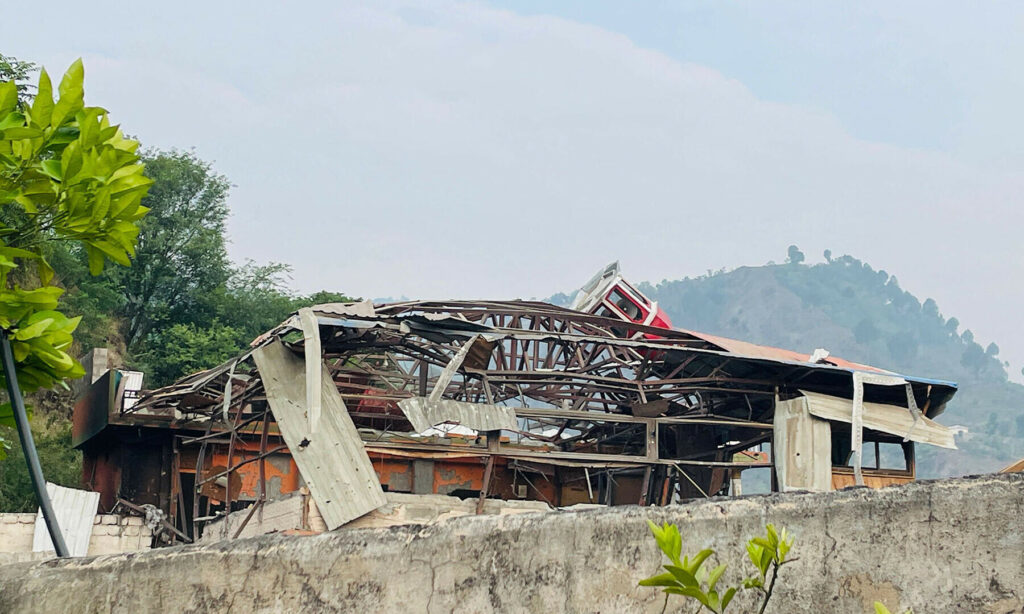
An turning point in May 2025 conflict was that the increased tensions between India and Pakistan acted as a blessing in disguise to the Kashmiri cause. For the new generation, many of whom were not as informed as those who grew up in the 1990s, this period of friction stripped away the “shining Bollywood face” of India. The way the Indian media, especially such personalities as Arnab Goswami, generate the theater of war, can disorient the viewers to the reality. But what happened in 2025 revealed the ugly face behind the Rising India mask. The reality of border strains and the threat of drone warfare reaching major cities such as Islamabad compelled the recognition that peace would not be sustained until the Kashmir issue is fully resolved. This realization can be regarded as a key to developing a sustainable narrative concerning the artificial normality of the that India portrays in Kashmir as the attempt to cover up the military occupation.
Psychological Warfare and the Hindutva Narrative
India is creating an ideological shift under the current Indian administration in occupied Kashmir. A superiority complex within the Hindutva mentality exists that considers others as lesser beings. This thought is the reason why the Indian media depicts a skewed reality of India being an invincible mighty power, and all its neighbors are inferior. This kind of psychological warfare is carried into the lives of Kashmiris as silencing of the indigenous voices. For example, Khurram Parvez, the human rights activist that was imprisoned as his account of the structure of violence was too precise that the state could not bear. By imprisoning local authorities and banning books and archives, India seeks to make sure that when a tree falls in the forest, it does not make the noise that can be heard by the rest of the international community.
The Humanitarian Toll
The humanitarian crisis that is frequently ignored by human rights organizations is one of the most heart-wrenching things about the Kashmiri struggle. Half-widows, those women whose husbands have disappeared, but have not been proved dead or alive, have become a grim staple in the Kashmiri vocabulary. The area is a live hell where daily life is scrutinized. Kashmiri diaspora can’t contact their family members in occupied Kashmir on a Pakistani WhatsApp number. This small gesture of communication would create havoc and relatives in occupied Kashmir would be compelled to report to the police stations to tell why they were sent a message by Pakistan. This level of surveillance ensures that even if residents are unhappy, they are not allowed to speak, as they risk losing their jobs and being expelled out of universities or may even be physically injured.
Demographic Engineering and the Israeli Model
The most alarming development is the shift from regional border disputes to a battle for cultural and demographic survival. The new domicile laws in India are making it easier to trigger a demographic change, similarly like the settlement trends in Palestine. Giving millions of non-locals domicile certificates and establishing special settlements of ex-servicemen the state is transforming the ethnic and religious nature of the area.
Moreover, the ecological and existential dangers of a large number of dams being built on Kashmiri rivers, is a violation of the Indus Waters Treaty. This water war is an indication that the conflict is evolving into a conflict over essential resources. The repression of the Kashmiri language in favor of Hindi and Sanskrit, and the prohibition of traditional clothes such as the Pheran and hijab, are cultural indicators of a campaign of genocide of the Muslim and Kashmiri identity.
The Role of the Diaspora and the Path Forward
The diaspora is left with the task of speaking in a world of complete surveillance. Young people should not only entertain themselves on social media but also be serious in building narratives. The stories of the Indigenous people, rather than state-sponsored actors, should be spread to the international community. When there is too much silence, a storm ensues. The existing forced silence in occupied Kashmir is not a sign of contentment or compliance. Rather, it is a pressurized environment in which the lava is boiling. To support the cause, the international community must look beyond trade relations. The real stories of Kashmir, the case studies of the 10,000+ victims of sexual violence, the children blinded by pellet guns, and the students rusticated for celebrating a cricket match, must be amplified until the hollow slogans of human rights are replaced by genuine, global intervention.

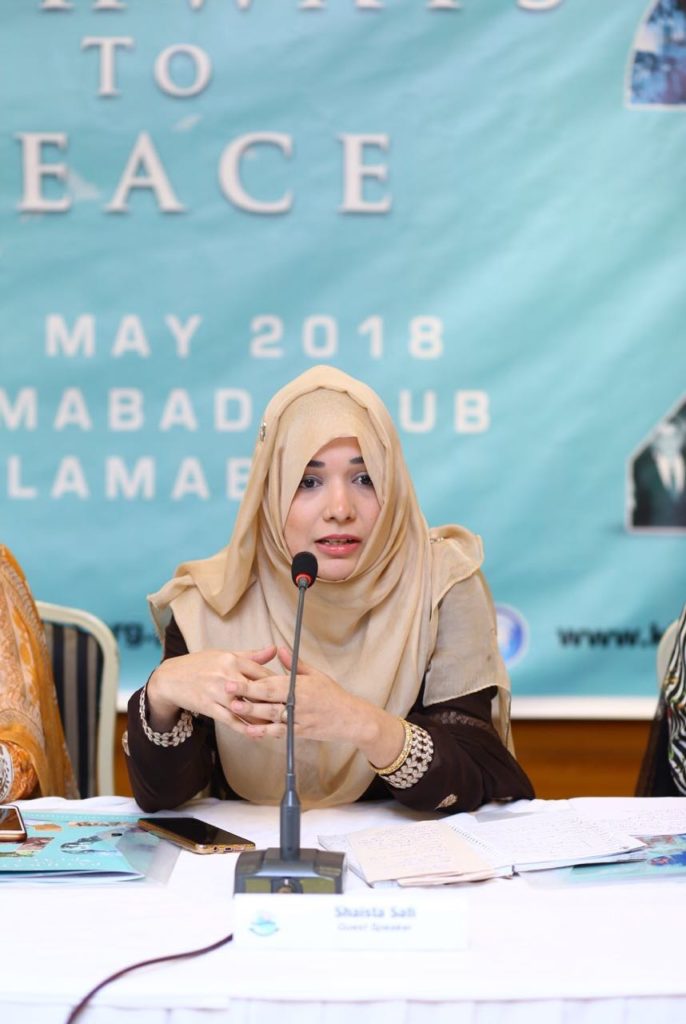
Shaistaepresentative for women's rights in conflict zones. Specializing in international jurisdiction and human rights documentation, she works to amplify the voices of Kashmiris through global advocacy, media commentary, and strategic policy engagement.