Today, on February 2, we celebrate the birthday of Arfa Karim Randhawa, not only as a nostalgic tribute to a young data scientist, but also as a sobering reminder of the millions of young minds in Pakistan currently waiting for their own Microsoft moment. Arfa was the proof of the concept. She proved that when the Pakistani youth is provided access to tools and the world stage, they not only participate in the digital revolution, but can also lead it. However, when we gaze at the landscape of 2026, we must confront the reality that there are thousands of equally brilliant minds being suffocated by a landscape that is still tragically behind in technological development.
The Arfa Effect
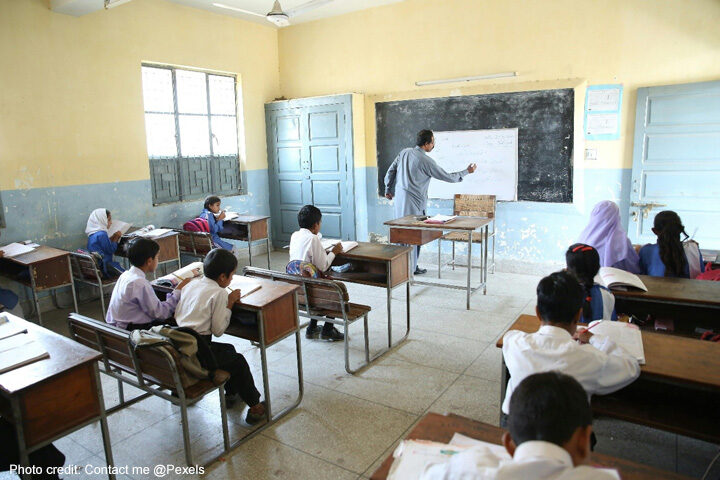
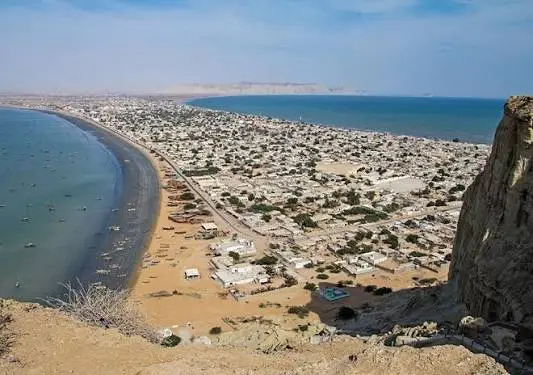
The Arfa Effect has managed to fill our lecture halls and has created a nationwide passion for technology. In Pakistan, almost one million students are studying higher education in STEM disciplines today. The generation is no longer seeking permission; they are the most digitally native, resilient, and ambitious cohort in the history of our country. Young innovators are developing global solutions in the tech centers of Lahore and Karachi, as well as in the remote schools of Balochistan. One of the brightest examples is Mahroosh Umer, who won the Global AI 4 Good Incubator with her team in 2025. However, the government’s appreciation for these wins is often seen just as a congratulatory post rather than actual institutional support.
A Failure of Appreciation and Implementation
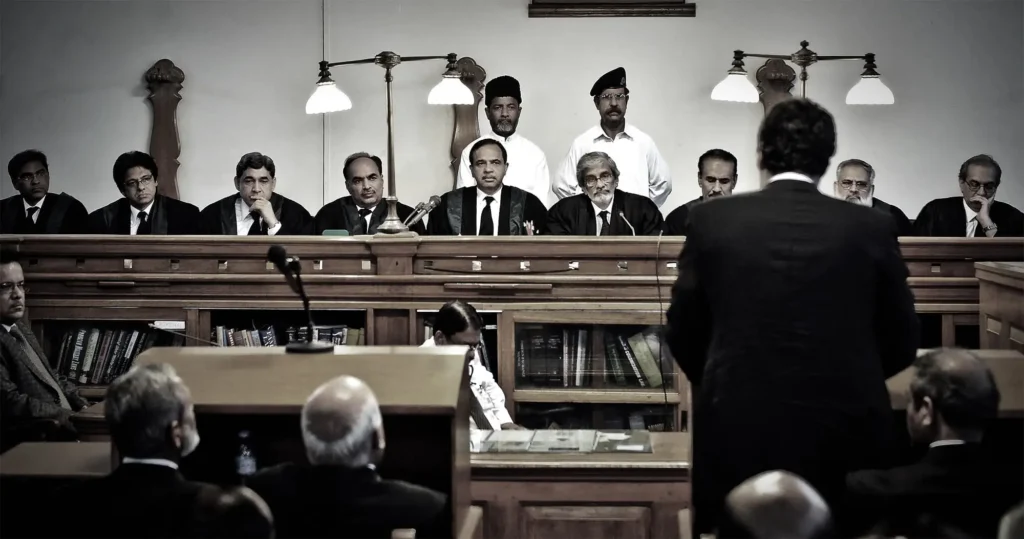
The tragedy of 2026 is not the absence of talent; it is the lack of utilization. The state does not truly appreciate youth achievements; high achievers are frequently invited to attend short ceremonies and receive certificates of appreciation, which are rarely coupled with long-term fellowship, research grants, or even the adoption of their innovations into national policy.
Although the government launches multiple policies, their implementation remains elusive. Government programs such as the Punjab e-bike scheme or any other laptop program are announced with a lot of hype, but they fail to support the ambitions of the youth for science and technology. For young professionals, a mentorship gap exists since no state-driven scheme links students with industry leaders, and thus, about 84% of students are left maneuvering their careers alone.
A Call to Action for a New Era
To honour Arfa Karim today, we must move from celebrating individual exceptions to creating a predictable path for the youth. It needs the private sector to go beyond just symbolic internships and set in place mentorships that allow senior leaders to meet students from rural places. We also need to establish digital infrastructure and high-speed connectivity as non-negotiable standards for every public school. Above all, the state needs to shift its financial policy to offer real “High-Risk Seed Capital” to youth startups. By providing support to youth, the government can ensure that every young Pakistani has the chance to turn their talent into a lasting legacy.

Our Editorial Desk is the intellectual engine of Digital Debate, responsible for the rigorous research that anchors every conversation. Our team deep-dives into data, checks every source, and consults academic literature to move beyond headlines and identify the questions behind the questions.