Five years after the Taliban returned to power, Afghanistan remains ungoverned, economically isolated, and saturated with armed groups. The implications for Pakistan are direct: rising Indian presence on Pakistan’s 2,600-kilometre border, closed trade routes, and the terror threat from across the border.
The Stalemate No One Benefits From
The current Pakistan-Afghanistan impasse is a loss for both sides. Trade between the two countries has effectively stopped. Visa restrictions have stopped the flow of movement at one of the most open and active borders in the region. Pakistan’s Central Asian access, which previously passed through the Afghan territory, is now closed. This is not just an inconvenience. Central Asian trade and energy connectivity were at the heart of Pakistan’s long-term economic plans.
The corridor was Afghanistan. That corridor is now closed. Afghanistan has absorbed losses too. Large parts of the Afghan economy were dependent on cross-border trade. But Kabul shows little urgency to resolve the deadlock. It’s a reflection of a Taliban regime that isn’t quite aware of the duties of government it has assumed.
The Taliban’s Core Problem
Five years in, the Taliban have not made the transition from insurgency to state. The ministries lack professional staff. The Ministry of Foreign Affairs does not have trained diplomats. No decisions can be made at a negotiating table if the people there are not technically qualified or empowered to make the decisions. The professionals who formerly worked in Afghan institutions are gone, and ideological commitment is not enough to fill the void.
Taliban need to understand that taking the name of Islam is not enough. An effective government must be able to create jobs, uphold rights, control ethnic relations and deliver basic services. The Taliban are not moving in that direction. They still portray themselves as a movement of liberation, rather than as an administrative body.
This governance failure has security consequences. UN Security Council records show that 20 or more terrorist groups are active in Afghanistan today. The largest include the Islamic State Khorasan Province (ISKP), Tehreek-e-Taliban Pakistan (TTP), the Turkestan Islamic Party, the Islamic Movement of Uzbekistan, and remnants of Al-Qaeda. The Taliban claim full territorial control. The presence of all these groups makes that claim difficult to accept.
Is the Taliban Complicit or Just Incompetent?
This is the most contested question in the entire Pakistan-Afghanistan relationship. The ISKP attacks minorities inside Afghanistan. The Taliban’ reaction has been minimal. TTP carries out operations inside Pakistan and retreats to Afghan territory. The Taliban response has been inadequate. In some cases, Taliban commanders at the local level are directly involved with these groups. There is a desire for regional stability amongst some elements. Others benefit from continued instability. The result is an inconsistent Afghan state that cannot be fully trusted but cannot be entirely dismissed either.
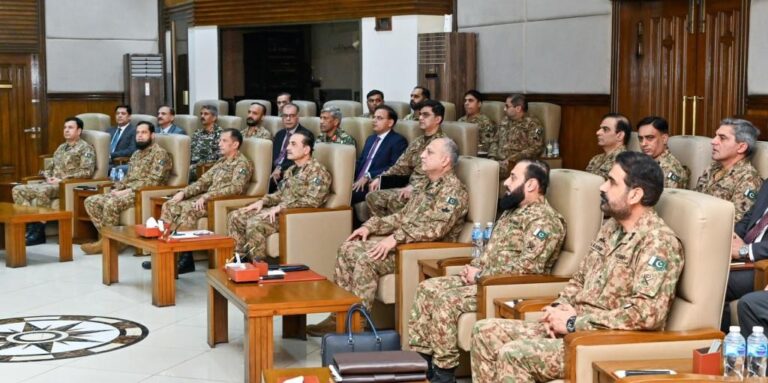
This background was the foundation of the Operation Ghazab lil Haq and its previous operations. The objective is to suppress TTP operationally and pressure the Taliban to act. Whether the pressure is working remains to be seen. Results are not yet visible.
The solution does not lie primarily in Afghanistan. It lies in Pakistani communities. TTP fighters are not foreign imports. They are old mujahideen, people with local roots, people with local shelters, and former jihadis. The population in impacted areas is aware of where the hiding places are. The only sustainable path is to engage those communities in the counter-terrorism effort, and to develop trust and local intelligence. Military operations alone will not finish TTP. Population support will.
China’s Role: Stabilizer With Its Own Interests
China has kept building ties with the Taliban government and has contributed positively to settling tensions between Pakistan and Afghanistan. Chinese diplomacy plays a vital role in maintaining communication channels during the toughest times.
But China has its own unresolved concern. Taliban ties with the Uyghur militants working from Afghan territory have also been a source of tension. China raises it consistently. The Taliban have not resolved it. China has shown patience and will continue to push through quiet diplomacy rather than confrontation. CPEC and regional economic connectivity are too important for Beijing to allow Afghan instability to derail them.
India Is Not Just Watching
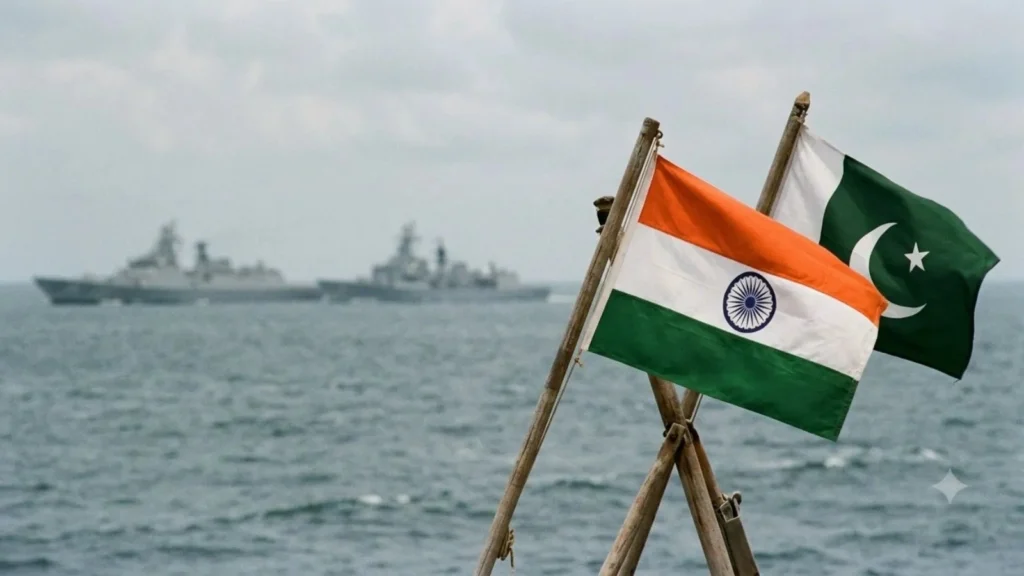
As Pakistan-Afghanistan relations deteriorated, India stepped in. Indian diplomatic engagement with the Taliban has grown. Rebuilding of trade links is underway. India is not simply taking advantage of a vacuum. It is trying to launch a calculated campaign for a second front in Afghanistan.
The mechanism is to support groups against Pakistan, based in Afghan territory. TTP receives support through Afghan proxies. Baloch separatist groups receive more direct support, a fact their own members have acknowledged publicly. This is not something that requires the cooperation of the Afghan government. Some of it runs directly.
Indeed the geographic advantage of Pakistan has constrained the strategic reach of India. India does not have a land route to Afghanistan and Central Asian States. Pakistan is located between India and all the western and northern markets it wishes to penetrate. That geographic reality does not eliminate the threat, but it caps it.
The Moscow Format and Regional Coordination
The most promising multilateral framework for Afghanistan is the Moscow Format: a core group of Russia, China, Pakistan, and Iran that meets to coordinate pressure on the Taliban toward responsible governance. India participates in the broader format but is not part of the inner group.
The message this group collectively delivers to the Taliban is consistent that they are in government now. The resistance phase is finished. Governance norms apply to them. Whether that message is landing is another matter.
Where Afghanistan Stands in Five Years
The Afghan people have a finite patience. They are depleted from 47 years of division, conflict, and foreign interference. If the Taliban fail to deliver governance, security, and economic dignity, popular resistance will follow. History in Afghanistan supports that prediction.
The way forward for Pakistan is to pursue two parallel tracks. Internally, a counter-terrorism strategy needs to be a community engagement strategy, and not just a military one. Diplomatically, channels with Kabul should not be shut, no matter how much tension there is, because the only one who gains by shutting these channels is the one who wants to see both countries fail. The stalemate is not sustainable. For either side.

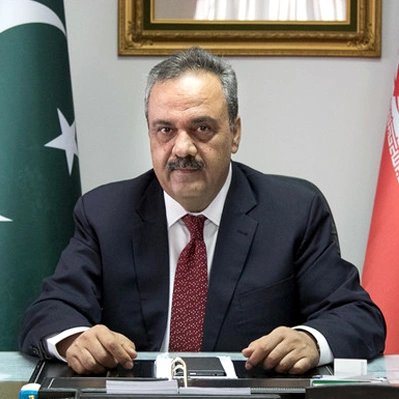
Asif Ali Khan Durrani is a veteran Pakistani diplomat, author, and senior fellow at IPRI. A former Ambassador to Iran and the UAE, and former Special Envoy to Afghanistan, he is an expert on transboundary diplomacy, counter-terrorism, and Middle Eastern geopolitical friction.