The Middle East is at a critical moment in history. The fragile ceasefire that has held since early April is disintegrating rapidly under the weight of critical ultimatums. After the massive joint military campaign launched on 28th February 2026, Operation Epic Fury, the first wave of strikes targeted nuclear, military and leadership facilities throughout Iran, changing the security environment of West Asia in fundamental ways. Now, almost three months after the opening salvos, the diplomatic intermission is fast coming to an end. With both Washington and Tehran using the relative quiet to regroup, reposition, and re-arm, the region is bracing for what could either be a negotiated off-ramp or a catastrophic return to all-out regional warfare.
Maritime Brinkmanship and Economic Warfare
While diplomats struggle to build a stable peace behind closed doors, the theater of conflict has increasingly migrated to vital maritime corridors. Tehran, instead of deploying any aggressive ballistic missiles during the ceasefire period, has tried to exert peaceful pressure on the world’s energy corridors. A strategic intelligence study by the Institute for the Study of War (ISW) indicates that the Islamic Revolutionary Guard Corps (IRGC) is exploiting the pause to return to a new normal in the Strait of Hormuz. Iranian authorities have created a multi-layered transit system that requires bilateral agreements and has set exorbitant security fees on non-aligned commercial vessels trying to pass through this crucial choke point, reportedly amounting to more than $150,000.
This economic coercion has been met with a strong backlash. Tensions at sea flared dramatically when United States forces seized the M/T Skywave, a sanctioned, Iranian-linked tanker, shortly after it transited the Strait of Malacca. Within the same twenty-four hours, US Marines boarded another Iranian-flagged oil tanker, the M/T Celestial Sea, on suspicion of attempting to run the blockade. In response, the IRGC has issued ominous declarations, threatening to expand the geographical boundaries of the war “far beyond the region” if Western airstrikes resume. Such naval tensions and economic imbalance have left world energy markets plunged into a state of volatility and international shippers feeling extremely on edge.
The Closing Window for Diplomacy
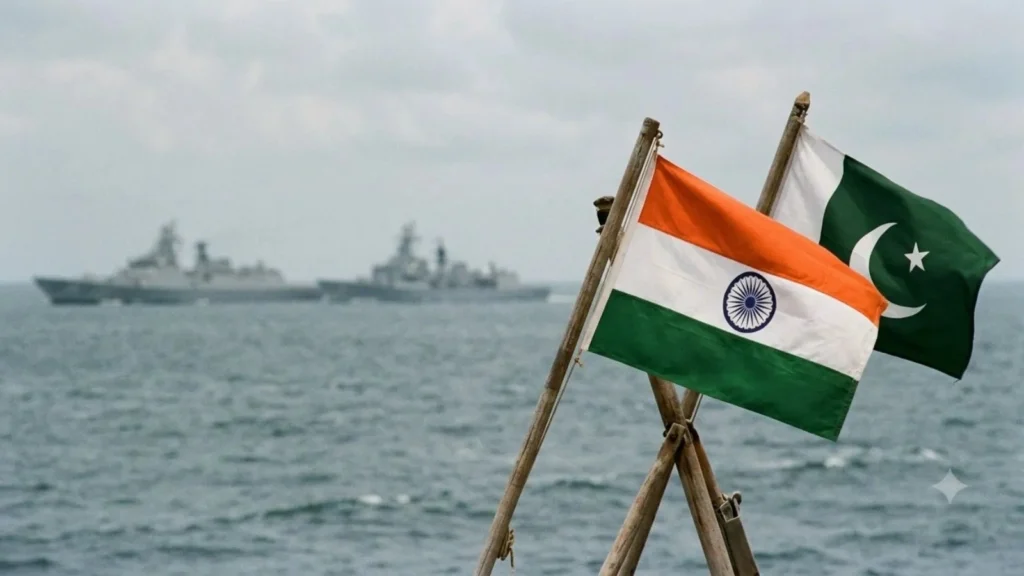
This escalating maritime drama is unfolding against a ticking clock in Washington and Tehran. US President Donald Trump has threatened Iran with a new, “high-intensity” air campaign if it does not complete a permanent peace pact within two to three days. The high stakes ultimatum is imposing a lot of pressure on regional mediators, especially Pakistan, which has been trying to advance its own security and political agenda while brokering backdoor channels between Washington and Tehran.
But even while the administration in Washington presses for a resolution that is final, domestic political opposition grows. The US Senate recently voted to advance a War Powers Resolution designed to block the Trump administration from launching further unauthorized military action without congressional approval. The legislative backlash comes as a sign of a global fatigue with the war that has already created unprecedented economic volatility and caused a rupture in global trade.
In Iran, the domestic situation is equally volatile. President Masoud Pezeshkian has maintained a defiant public posture, insisting that “dialogue does not mean surrender” and that Tehran entered negotiations with its national dignity intact. However, the international community’s concern is growing. Highlighting the extreme stakes, the International Atomic Energy Agency (IAEA) chief Rafael Grossi recently warned of “grave” risks following a drone strike near critical nuclear infrastructure in the region, signaling that any return to active hostilities could have radioactive consequences.
The decisions to be taken in the coming 48 hours will shape the course of the Middle East for a generation. In the event negotiations break down, the next phase of the Iran war will not just be a continuation of the initial targeted attacks, but rather an open-ended escalation of the conflict that would involve proxy networks, naval blockades and even devastating strikes on civilian and nuclear energy infrastructure. The international community should translate this brief pause into an effective diplomatic solution for the benefit of the world and humanity.

Our Editorial Desk is the intellectual engine of Digital Debate, responsible for the rigorous research that anchors every conversation. Our team deep-dives into data, checks every source, and consults academic literature to move beyond headlines and identify the questions behind the questions.