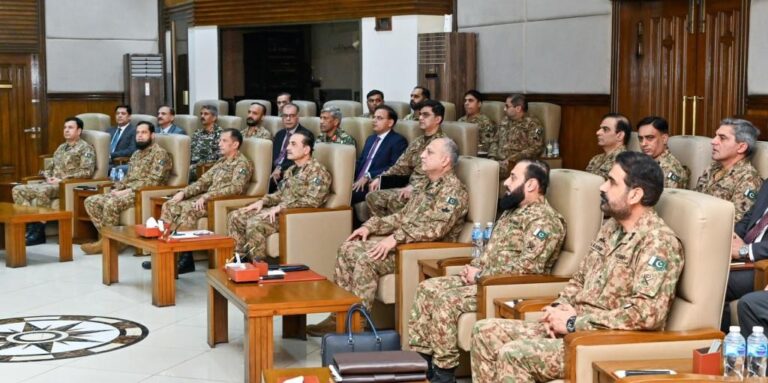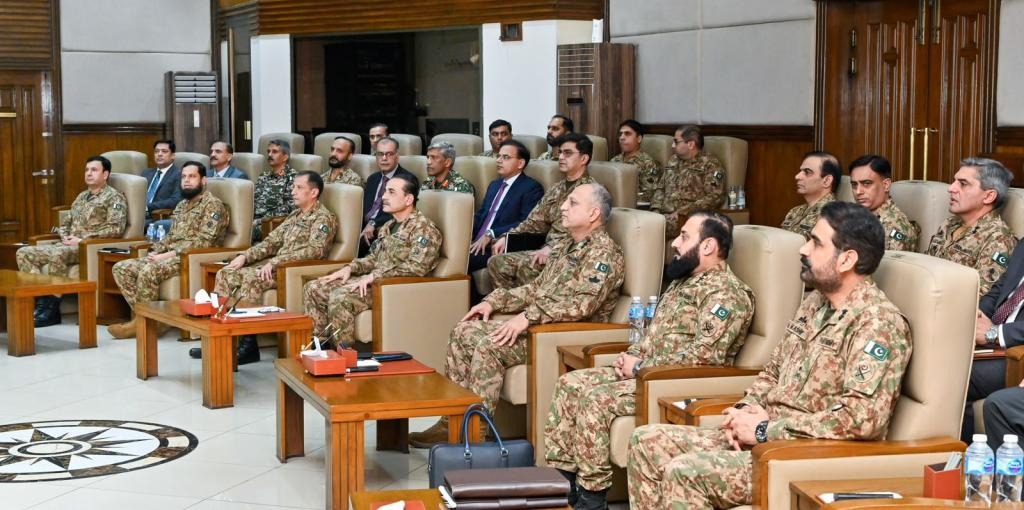
Before May 2025, Pakistan was a marginal arms exporter. After it, procurement officials across three continents changed their assessments. That shift did not happen because of a marketing campaign. It happened because the Pakistan Air Force fought a four-day conflict against a larger, better-funded adversary and performed in a way that defense analysts, procurement officers, and foreign ministries noticed. The event is formally designated Marka-e-Haq, covering the period from the Pahalgam attack on April 22 to the ceasefire on May 10, 2025. To find out what changed in the credibility of defense exports by Pakistan, it is necessary first to distinguish what is verified and what is asserted, and then go on to ask what actually is being responded to by the buyers.
What happened in the air
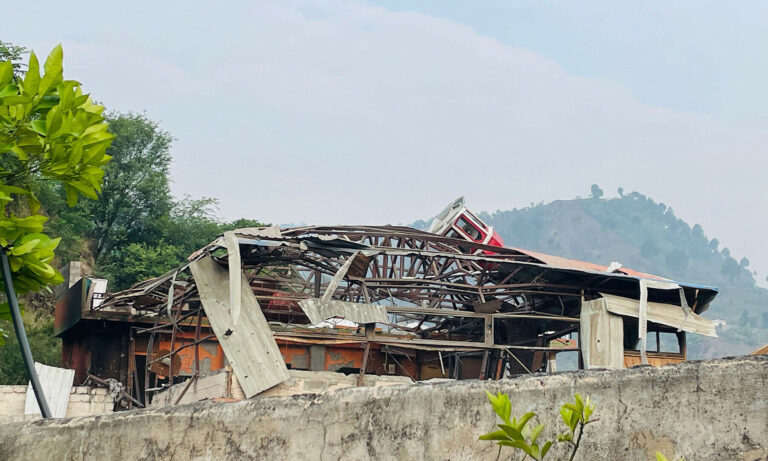
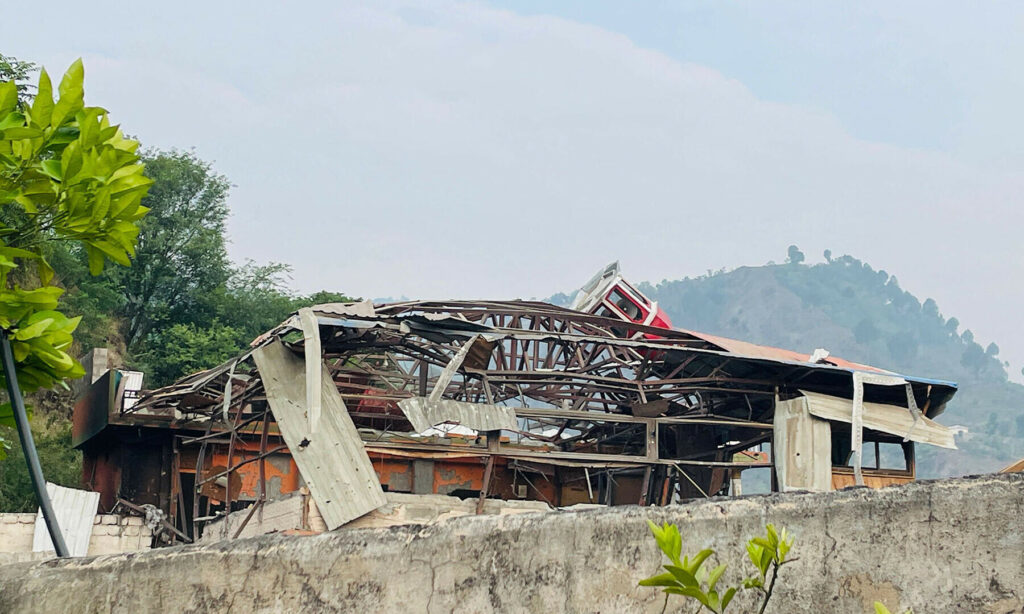
On May 7, 2025, India initiated Operation Sindoor by firing missiles at targets within Pakistan. Pakistan responded the same day. The ensuing aerial battles were the biggest between the two nations in decades, with over 114 combat planes taking part in combat.
The most consequential outcome of the air battle was the downing of at least one Indian Rafale fighter. An August 2025 report by Reuters described how a Pakistani J-10C used a PL-15 air-to-air missile to destroy an Indian Rafale around 200 kilometers distant. A French intelligence official confirmed that the Rafale had been shot down. India did not directly confirm or deny the loss, but the Ministry of External Affairs described it as a combat operation whereby the loss is part of combat.
The most important aspect of export credibility is not the number of aircraft being boasted. It is the system used to achieve the result. The J-10C paired with the PL-15 missile demonstrated a real-world beyond-visual-range (BVR) capability that exceeded Indian planners’ assumptions about the missile’s operational range. The remnants of a PL-15 missile were collected within Indian territory, near Hoshiarpur, some 200 km from the crash site. The platform was tested under live conditions. That is what defense buyers are concerned with.
What combat-proven means in procurement
The term “combat-proven” carries disproportionate weight in defense procurement. A platform that has been tested under actual battle conditions is considered different from one that has only been tested under controlled conditions. The JF-17’s previous exports to Azerbaijan, Nigeria, and Myanmar were secured before May 2025. The deals were mainly cost-driven. JF-17 Block III costs significantly less than the Western equivalent. Competing in a market that cannot afford $240 million Rafales or $80 million F-16s, it competes at a price of about $25-30 million per unit.
The export numbers
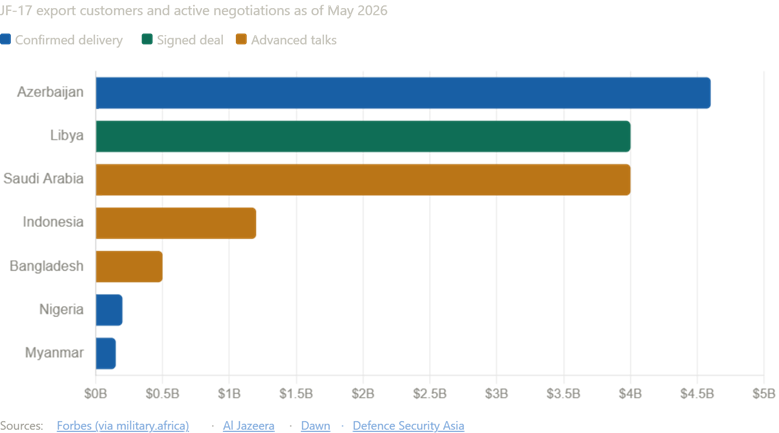
According to UN COMTRADE data, the arms and ammunition export of Pakistan in 2024 was $22.38 million. That figure reflects actual transfers, not signed deals. Pakistan recorded a total of $1.3 billion in defense exports through GIDS between 2022 and 2024, with the majority being ammunition, small arms, and the initial transfers of JF-17. In comparison, The Print reported that Pakistan signed contracts worth above 10 billion dollars in 2025 alone, the highest in its history.
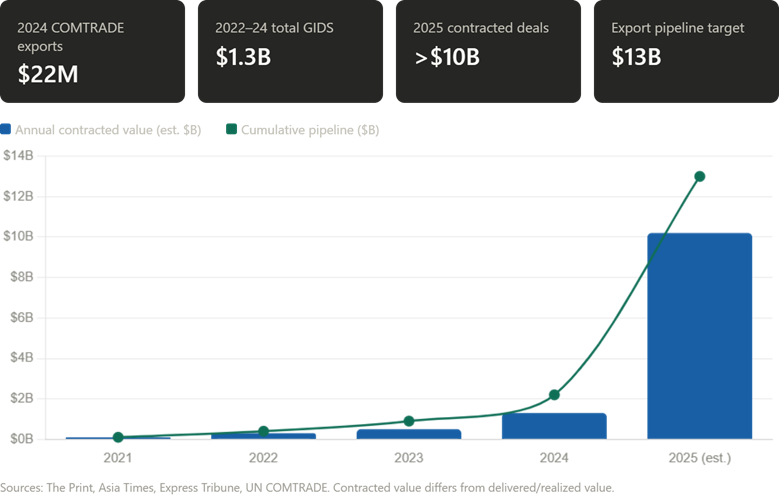
The anchor of this pipeline is the JF-17. Azerbaijan increased its order to 40 aircraft, in a deal worth $4.6 billion, making it the largest single aviation export agreement of Pakistan so far. Libya signed a multi-platform deal worth around 4 billion dollars covering JF-17s, Super Mushshak trainers, and land and sea equipment, although the deal encounters legal issues due to the UN arms embargo on Libya. Pakistan is also in talks with Saudi Arabia, Indonesia, and Bangladesh at various stages of negotiation.
Where the scepticism is warranted
Specific limitations exist with particular markets. The Saudi Air Force operates F-15s, Eurofighter Typhoons, and Tornado aircraft. The inclusion of a J-10C or JF-17 with Chinese-made systems in their fleet creates logistics and interoperability problems. More importantly, the ambition of Saudi Arabia to acquire the F-35 is subject to the requirement to maintain clear alignment with the US restrictions against the transfer of its technology. Acquiring Chinese-origin fighters might make it difficult. So, the pipeline amount, $13 billion, is aspirational rather than guaranteed.
There is also a structural dependency in dealing with JF-17 export deals. The JF-17 Block III is jointly produced with China. Every export requires Chinese approval. That is not a deal-breaker for Pakistan’s current customer base, which consists primarily of countries already comfortable with Chinese technology. But it restricts the markets that Pakistan can approach on its own.
The credibility argument
Despite valid skepticism about specific deal values, the direction of the trend is not in dispute. Before 2025, Pakistan was exporting some $300 million to $500 million yearly in defense products. It’s signed, and the advanced-stage negotiation pipeline now has a valuation of more than 10 billion dollars. This post-conflict combat-proven positioning of the JF-17 and J-10C platforms specifically has been attributed in various analyses as catalyzing foreign interest.
What Marka-e-Haq has supplied the Pakistani defence industry is hard to produce in any other manner. It gave a live battlefield demonstration of its core export platforms in an actual, credible, well-equipped enemy. The JF-17 Block III and J-10C were tested under conditions that can be studied by buyers. The PL-15 missile had a proven operational BVR range that was greater than that stated in the export documentation. The Fatah-I and Fatah-II precision rocket systems were verified to be working during the conflict. They are marketing literature that could not be duplicated by any appearance at a trade show or technical specification sheet.
Whether Pakistan converts this credibility into sustained export revenue depends on execution, not narrative. Scaling of production, uniformity of regulations, control of quality, and the possibility to service consumers even after the delivery are all important. Pakistan’s defense industry is large enough to sign deals. It must now demonstrate that it is big enough to satisfy them on scale, on time, and to a standard that buyers will recommend to others. The sky over South Asia in May 2025 was contested and dangerous. The export offices in Karachi, Lahore, and Islamabad are now more crowded as a result.

Our Editorial Desk is the intellectual engine of Digital Debate, responsible for the rigorous research that anchors every conversation. Our team deep-dives into data, checks every source, and consults academic literature to move beyond headlines and identify the questions behind the questions.