At the center of the Indian global self-presentation, there is a particular contradiction. The nation promotes itself as the world’s largest democracy, and its claim is reiterated at international conferences and in bilateral talks with Western powers eager to believe it. On April 30, 2026, Reporters Without Borders released its annual World Press Freedom Index. India was ranked 157th out of 180 countries, a drop of six places compared to 151st in 2025. That ranking places India below Palestine, where a war has destroyed newsrooms and killed nearly 200 journalists. It ranks India lower than any major democracy in the world. RSF points out that in 25 years of the index, the global average score has never been as low, and India is specifically mentioned among the countries where the legal indicator has worsened the most.
According to RSF, the media landscape in India has fallen into an unofficial state of emergency since 2014, with concentrated ownership systematically redefining the media content the Indian people see and hear. One conglomerate chairman, a close associate of the prime minister, owns more than 70 media outlets. Another business tycoon acquired a major independent television network in 2022. Where the government is the largest advertising purchaser in a market, and the largest media owners are personally related to it, editorial freedom need not be legislatively abrogated. It becomes economically irrational.
RSF notes that the prime minister does not hold press conferences, grants interviews only to journalists who cover him favorably, and that Indian journalists are subjected to harassment campaigns by ruling party-backed trolls. Most television networks, especially Hindi ones, give much airtime to religious programs, and at times, the television channels openly propagate anti-Muslim stories. Colonial laws on sedition, defamation, and anti-state conduct have been used by governments to suppress the press, and anti-terror laws are increasingly being applied against journalists.
The Legal Machinery
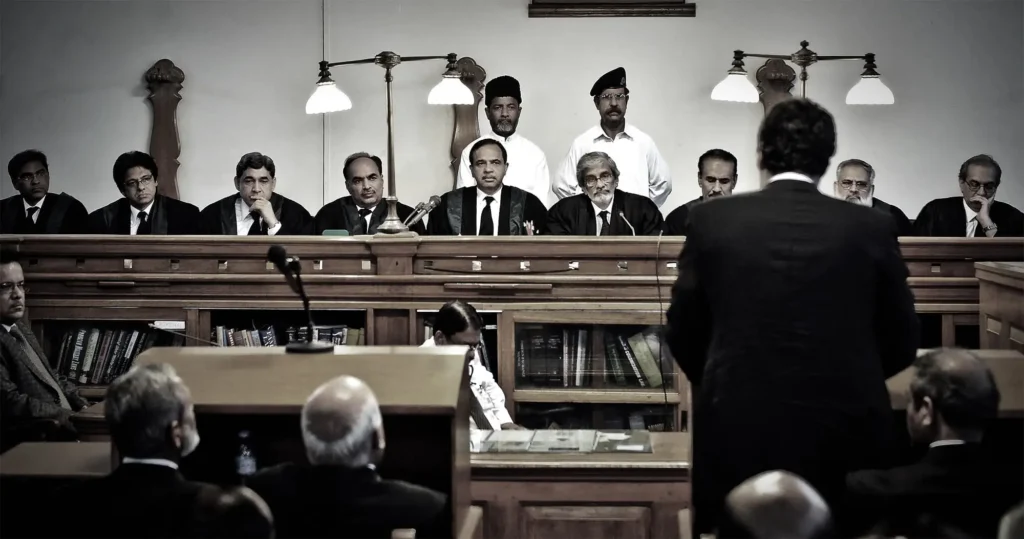
The cases are specific and documented. In January 2025, journalist Mukesh Chandrakar was murdered in Chhattisgarh after his investigation into alleged corruption in a government road project was broadcast nationally. His body was found in a septic tank on the property of the contractor he had investigated. In March 2025, journalist Dilwar Hussain Mozumdar was arrested in Assam for covering a protest outside a state government bank. The chief minister justified the arrest and claimed that journalists who were not accredited by the state were not journalists. In November 2025, police raided the Kashmir Times office. In January 2026, four journalists were assaulted while covering protests in West Bengal. These are not isolated incidents; presents a documented pattern across years and states.
Since 2014, at least 15 journalists have been charged or investigated under the Unlawful Activities Prevention Act alone. RSF has demanded the immediate release of the journalist Irfan Mehraj, who has been in pretrial detention since March 2020. CPJ has reported on how India has politicized laws on tax, defamation, and national security to imprison journalists under the legal guise, which does not concern the actual content of the reporting. These pressures are intensified by new laws. The Telecommunications Act, the IT Amendment Rules, and the Digital Personal Data Protection Act all increase the state’s power to control media content, with a new tax law allowing authorities to access emails of journalists, cloud accounts, and encrypted devices during searches.
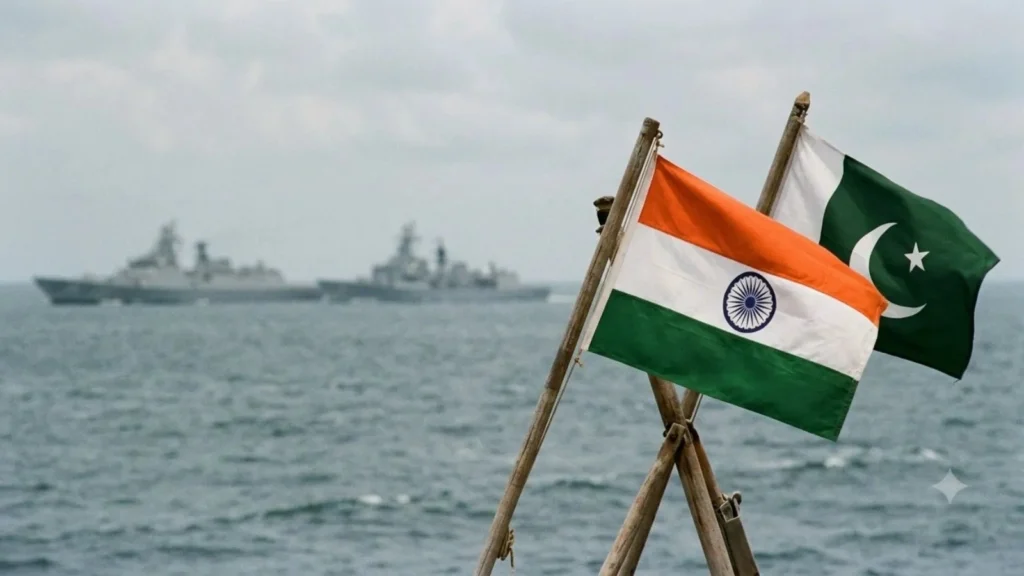
Almost all of India’s neighbors rank higher. Nepal sits at 87th, Sri Lanka at 134th, Bangladesh at 152nd, and Pakistan at 153rd. A nation that is ranked lower than its neighbors that have undergone coups and civil wars cannot reasonably attribute its status to the external lack of understanding. It shows clearly that press freedom is in crisis in the world’s largest democracy.

Our Editorial Desk is the intellectual engine of Digital Debate, responsible for the rigorous research that anchors every conversation. Our team deep-dives into data, checks every source, and consults academic literature to move beyond headlines and identify the questions behind the questions.