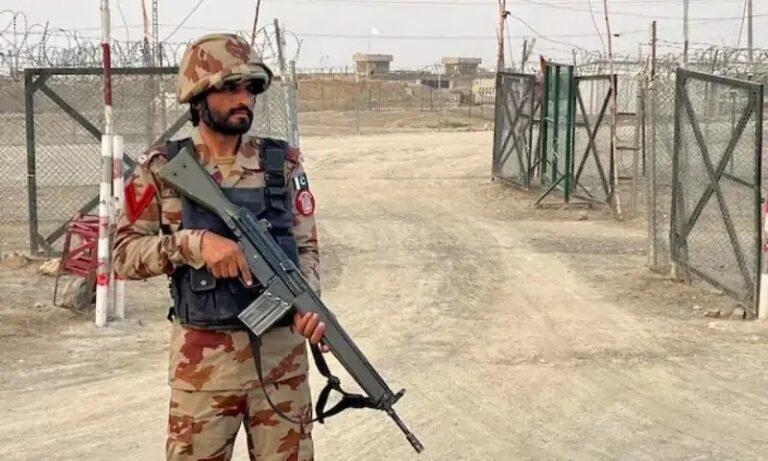

Azad Jammu and Kashmir has rarely looked more unsettled in an election year. Over the past week, a protester was killed in Rawalakot, 72 individuals were arrested in an orchestrated security operation, the internet was shut down in many parts of the region. And, at the same time, the Joint Awami Action Committee (JAAC) was added to the proscribed organization list under the Anti-Terrorism Act while the AJK Election Commission declared that general elections would be held on July 27, 2026. The sequence compressed months of tension into days. Understanding what produced it requires going back to the single demand that everything else pivots on.
AJK’s 53-member Legislative Assembly includes 12 seats reserved for Kashmiri refugees, people who fled Indian-administered Kashmir in 1947 and 1965 and are now settled across Pakistan. The core demand of JAAC is the elimination of these seats, as they are regularly used by mainstream political parties to manipulate the government formation in AJK without any accountability to the people of the territory. The government’s stance, which was reiterated at an All-Parties Conference held in Muzaffarabad, is that such constitutional amendments cannot be imposed by street pressure prior to a scheduled election; they are the prerogative of elected representatives. This was followed by a resolution in the AJK Legislative Assembly affirming the 12 refugee seats as an historical and constitutional fact. The AJK Supreme Court then held that the seats of refugees are constitutionally protected, and that they are not subject to unilateral changes.
As the three pillars of institutions, the legislature, the executive and the judiciary, converged on a single point, JAAC announced its June 9 strike regardless. The government’s countermove was the proscription. JAAC was listed under the First Schedule of the AJK Anti-Terrorism Act 2014, with the AJK president accusing the organisation of involvement in terrorism, promoting hatred, and creating anarchy ahead of the electoral process. The move drew immediate political controversy.
The Demands That Were Met and the One That Was Not
Separating the refugee seats dispute from the broader JAAC grievance record is essential for an honest assessment of what is happening. Thirty-six of thirty-eight JAAC demands were accepted by the government through months of dialogue and democratic engagement. Those accepted demands covered electricity subsidies, wheat price support, reduction of elite privileges, governance reforms, and infrastructure commitments. The pattern of concessions from the government side is substantial. Despite the economic crises in Pakistan, AJK has been receiving billions of rupees in annual grants, subsidy, and development support from the federal government, and during the protest cycle in 2024, they negotiated Rs 23 billion worth of grants and commitments for electricity and wheat prices which were put into action.
The refugee seats question is not simply a procedural matter. It cuts to the heart of what AJK’s political identity means and who gets to define it. The refugees who left Indian Kashmir in 1947 hold a particular political value in Pak’s constitutional perspective of Kashmir issue. Their presence in the AJK assembly isn’t a case of anomalies. They are ingrained in an ideology of a political assertion that Pakistan has been holding for 77 years. Their elimination by street action and not by legislative act would create a precedent that the constitutional order in AJK is subject to negotiation in the event of sufficient pressure.
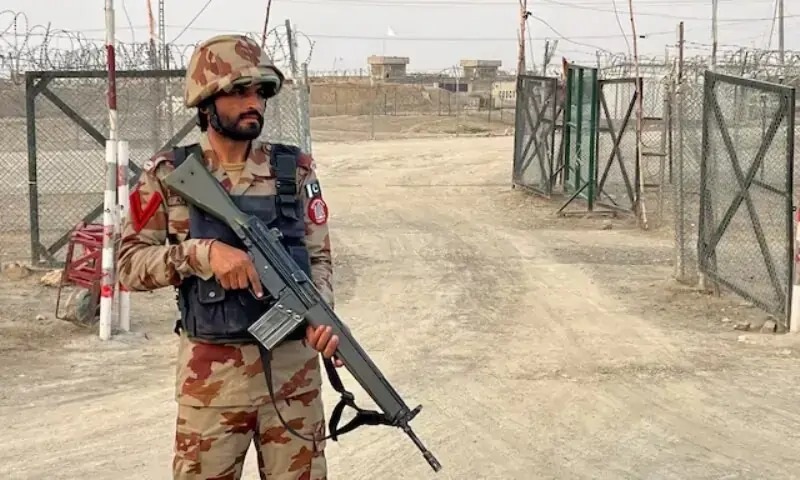
The AJK Election Commission has announced July 27 as polling day, with nomination papers due from June 9 to 19, and 1505 Islamabad Police personnel were deployed to AJK ahead of June 9 as part of a special security plan. The electoral calendar has been established. The institutional positions are clear. The refugee seats question, as every institution has now confirmed, belongs in the assembly after July 27. The people of AJK will vote in seven weeks. That’s the appropriate forum for what JAAC is requesting rather than strike.

Our Editorial Desk is the intellectual engine of Digital Debate, responsible for the rigorous research that anchors every conversation. Our team deep-dives into data, checks every source, and consults academic literature to move beyond headlines and identify the questions behind the questions.